


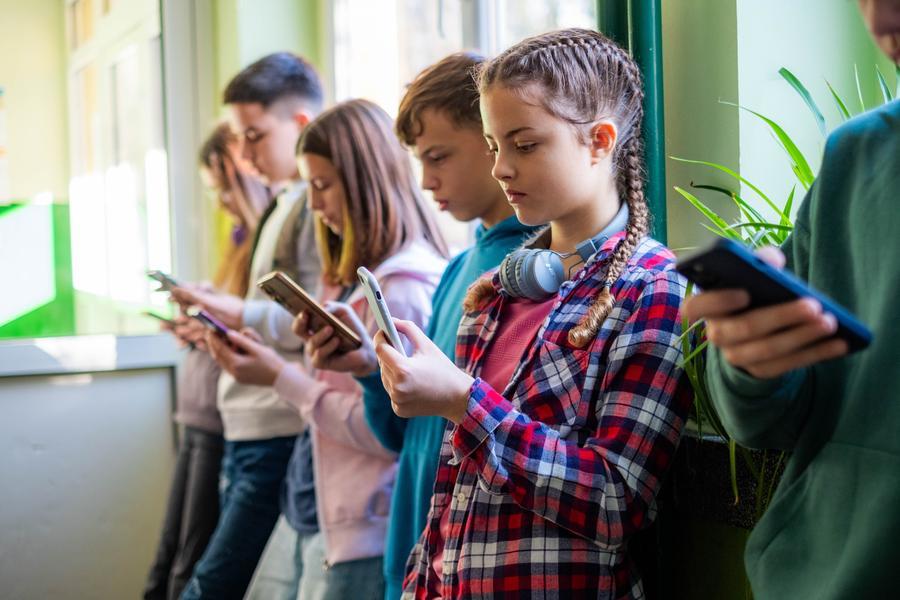


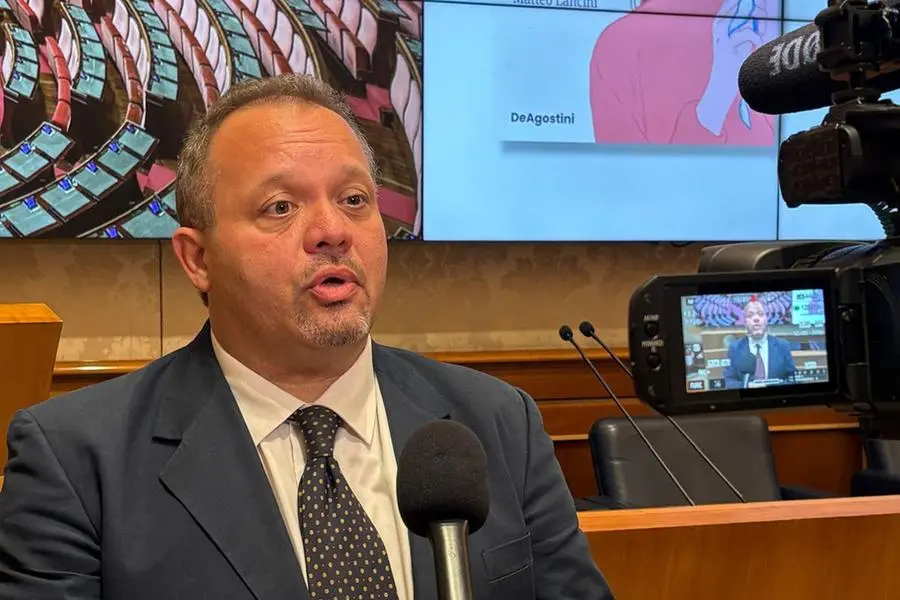
The border is drawn: first Australia, then Spain. The ban on access to social media for under 16s is no longer a hypothesis, but a political choice. But is it really an act of censorship or the last possible shield for a generation under digital siege? We talked about it with Ivano Zoppi, General Secretary of the Carolina Foundationthe non-profit organization that has been fighting on the front line for the digital health of minors for years.

In Spain they have decided: no social media until the age of 16. You who go around the schools of Italy, how do you read this move? Is this an admission of guilt on the part of us adults?
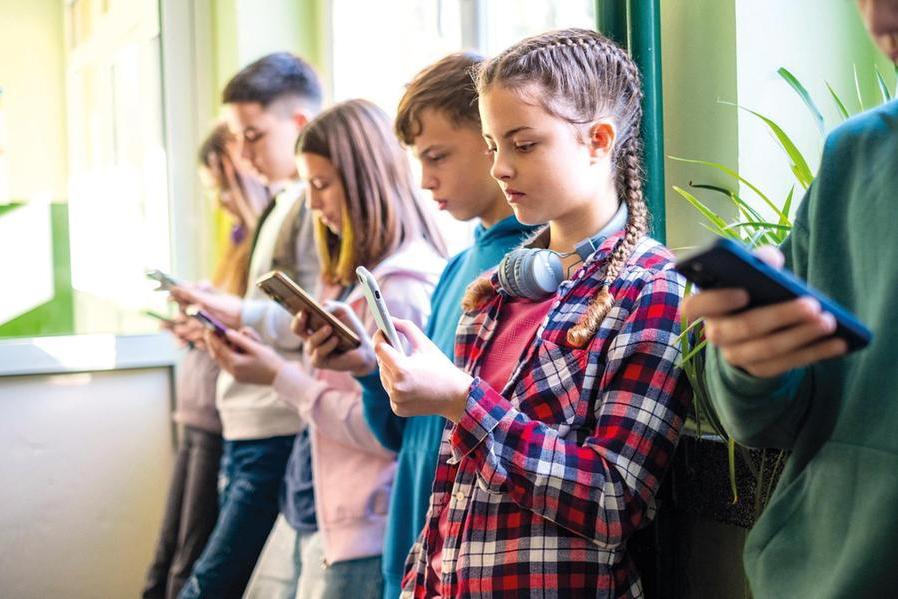
«I’d say you’ve already given yourself the answer. It is precisely this: the admission that we have made a “massacre”. We created a digital environment by giving rules that we adults didn’t respect first, and now we tell kids to go out because it’s dangerous. As a Foundation we look favorably on this direction of Australia and Spain, because it means that the governments have noticed the problem. But be careful: it’s late. We gave the “free all” to 7-8 year old children and now we are vetoing them. The ban is useful for politics, but it is of little use to children if it is not accompanied by structured interventions and the question that no one wants to ask: why, despite the many awareness-raising projects, does digital violence continue to increase?”.
At 14 you have the right to make mistakes without the mistake being engraved on the web. Doesn’t removing them from social media mean giving them back the right to grow “in the shadows”, protected from bullies and virality?
«It also means preventing them from relating in their own ways. We must accompany them to rediscover the joy of the physical relationship, of the embrace. Over the years we have given young people information and technical skills, but we have not helped them create a conscience that makes them understand what is right and what is wrong. This is what would have made the difference. The ban can restore a space of protection, but without a conscience they still remain fragile.”
We often think that kids are addicted to social media, but when talking to them, don’t you get the impression that they are “prisoners” of a exhausting approval mechanism? Couldn’t the ban be, paradoxically, a liberation from having to always appear perfect?
«Absolutely yes. We are noticing the birth of an experience among adolescents that is taking them out of social media spontaneously, without prohibitions. They are getting “tired” and “switching off”. The first Off Clubs are also emerging in Italy: places without Wi-Fi but full of connection with oneself and with others. It’s almost revolutionary: they look at each other, they play, they talk to each other. I am convinced that in the coming years this “human resistance” movement will grow much more than the laws.”
Carolina’s story teaches us that the greatest pain is isolation while thousands of people watch a screen. Does preventing access to the little ones mean removing a toy or putting the body and voice back at the centre, the only things that really stop a bully?
«Removing social media is only part of the solution. The real challenge is to promote educational interventions aimed at managing emotions. We can’t just remember it in February for Safer Internet Day or when there’s a news story. We need educational continuity that involves everyone: family, school, sports clubs. We must educate people to respect and manage their own experiences. And then, let’s face it: when do we “ban” adults? We are the worst example: we feel entitled to do everything online and then we expect our children to be impeccable.”

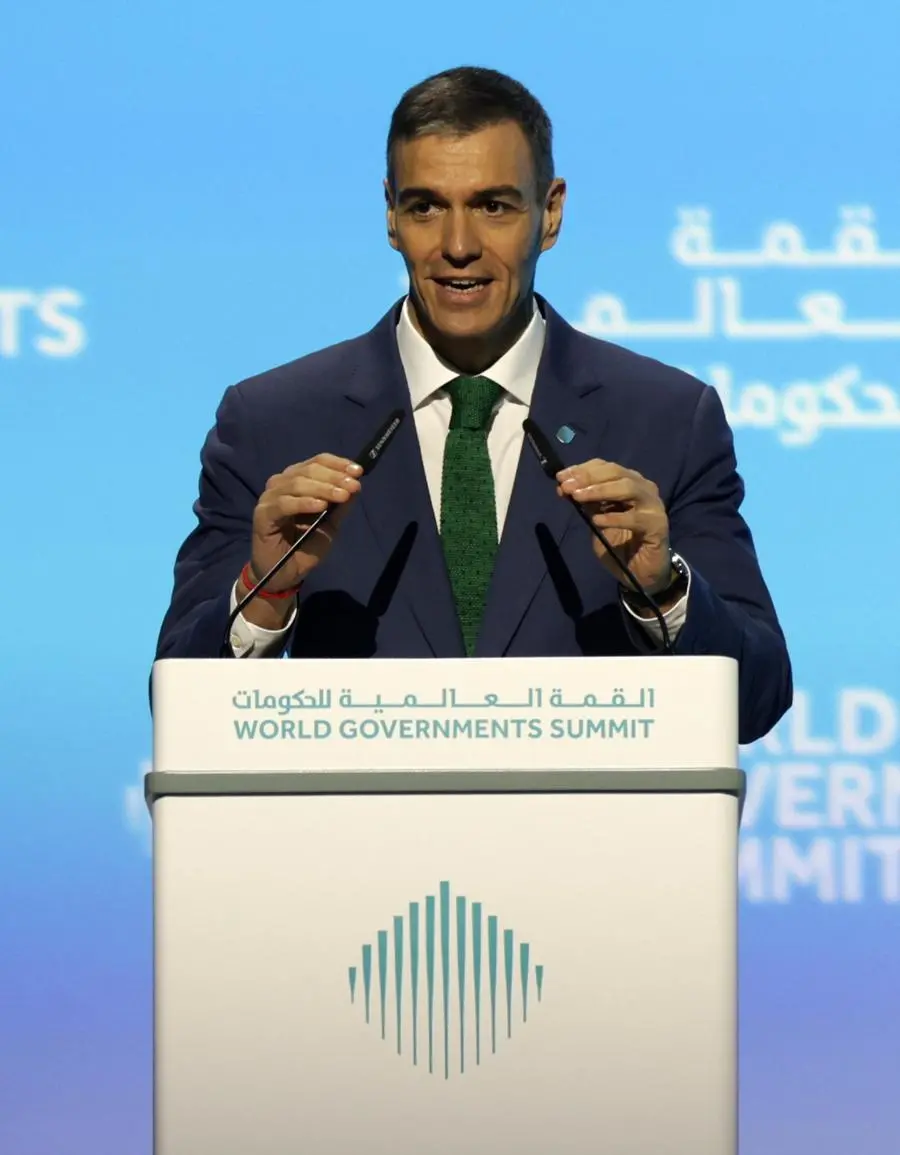
Australia led the way, now Spain. Is this global courage really changing the perception that the web is an unbeatable Wild West?
«It’s a start, but if we think that a ban is the magic solution, we are wrong. It takes kids three seconds to bypass blocks with a VPN. Furthermore, if we ban known platforms, they move to even more dangerous underwater worlds where we do not know how their data is processed. In Copenhagen the students told me clearly: “We are already elsewhere”. The risk is that to protect them on paper, we end up making them invisible precisely when they need our gaze most.”