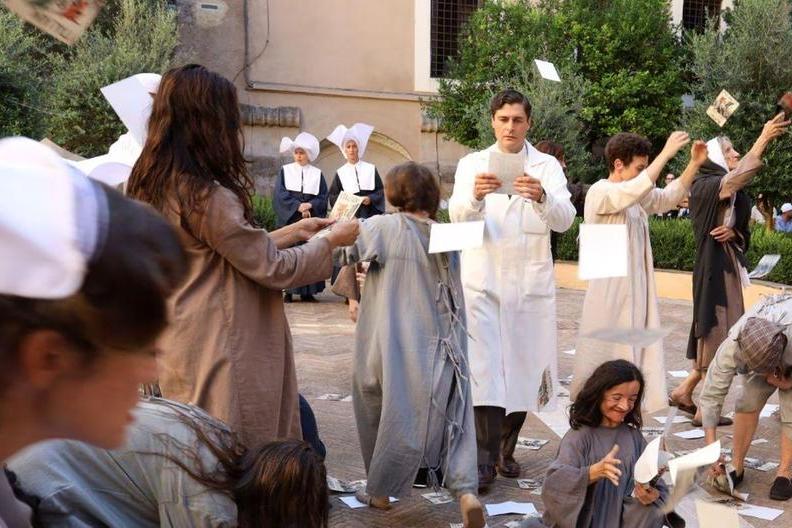




Mario Tobino was a psychiatrist and a writer. These two souls intertwine twice: with the novel The free women of Magliano (1953), which inspired the TV series Free womenand with the collection of short stories For the ancient stairs (1972), with which he won the Campiello Prize and which became a film directed by Mario Bolognini, with Marcello Mastroianni, in 1975. Books that offered uno new, empathetic but at the same time rigorous look at what mental hospitals were and how, in the absence of real weapons (psychiatry really went through almost always brutal attempts, and certainly not only in Italy), rather than treatment we could talk about care and containment, and the difference was made by the humanity or otherwise of doctors and nurses.

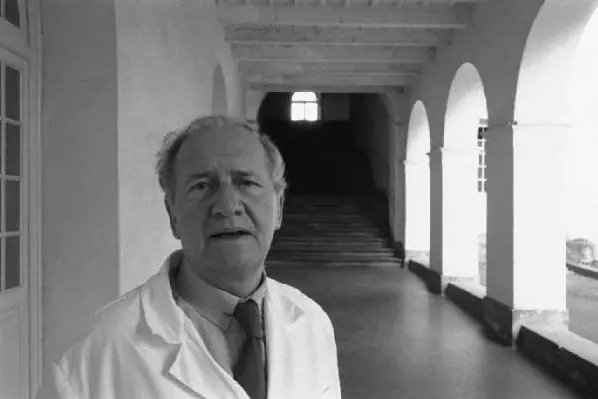
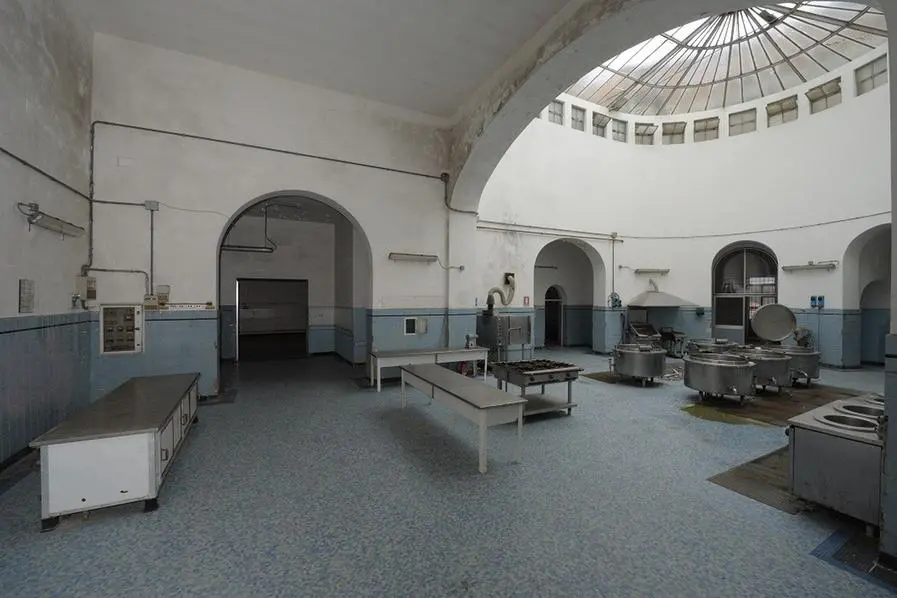
THEThe mental hospital where Mario Tobino entered in 1943, until he became its director, and in which he spent 40 years of his life (he actually lived there), was the women’s hospital in Maggiano, near Lucca, who in the novel wanted to change out of modesty and respect to Magliano. The building was a 15th century monastery nestled in the hills around Lucca and then became a psychiatric hospital in the 18th century.

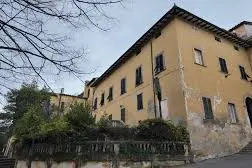
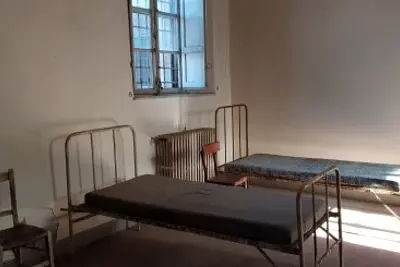
To be hospitalized, often forgotten, women needed little: even just a husband who wanted to get rid of them to remarry, or to be a daughter to be ashamed of because she lived her sexuality. Or women who have fallen into depression, rebellious and non-conformist girls. Then, of course, there were also patients suffering from actual psychiatric pathologies, but for them, often defined as “the agitated ones”, there was a department where the straitjacket, the violent jet of freezing water and electroshock were widely used. Mario Tobino placed a look of human pity on those scarred, wounded, suffering, lost, disintegrated, desperate women (the suicide rate was high), infirst of all by recognizing their dignity and then by trying to limit violent containment systems and giving them the opportunity to dedicate themselves to manual activities, according to their inclinations. And, as he explains well in the preface he wrote to the re-edition of the book dating back to the 1980s, the real revolution came with the arrival of psychotropic drugs. Unlike Basaglia, he was in favor of the humanization of mental hospitals, but not their complete dismantling.

Mario Tobino was born in Viareggio in 1910. After graduating he was called to complete military service and then returned to study in Bologna, where he specialized in neurology, psychiatry and forensic medicine. He began working at the psychiatric hospital in Ancona, where he began writing as a response to the pain and suffering he witnessed and which he partly experienced himself. In 1939 his first collection of poems, Friendship, was published.
At the outbreak of the Second World War he is recalled and sent to the Libyan front, dowhere he remained until 1942: this experience is told in the novel The Desert of Libya (1952), from which two films were based, War fool (1985) by Dino Risi e Desert roses (2006) by Mario Monicelli.
In 1943 actively participates in the Resistanceand takes inspiration from the events of partisan and fratricidal struggle to write the novel The clandestine (with which he won the Premio Strega in 1962).
After the war he resumed working in psychiatric hospitals, first for a few months in Florence, then permanently in Maggiano. Publishes the collection of poems Poison and love, ithe novel The pharmacist’s son and the stories gathered under the title The sailor’s jealousy.
In 1953, we said, escand The free women of Magliano: «I wrote this book to demonstrate that even mad people are creatures worthy of love», the psychiatrist of his volume will say years later, «and my aim was to ensure that the sick were treated better, better fed, better dressed, that there was greater concern for their spiritual life, for their freedom. I didn’t quibble over the words, whether it was better to call the institution a mental hospital or a psychiatric hospital, I used the quickest words, I wrote madmen, as the people call them, instead of mentally ill. I ran to my goal, I tried to call the attention of the sane to those who had been struck by madness.”
In 1956, with Einaudi, he published The embers of the Biassoliautobiographical novel.
In 1966 he published On the beach and across the pier (Mondadori), homage to Viareggio, his hometown and its history. Just a phrase from Tobino («Viareggio, in you I was born, in you I hope to die») was painted in large letters on the pier of Viareggio, enough to characterize the landscape.
After the Basaglia Law (1978) he wrote The last days of Maglianoin which he predicted all the hardships and suicides of patients who would effectively be left without any assistance after their discharge from mental hospitals; he said that «his life was there, that the crazy people were his peers» and that « the dark melancholy, the architecture of paranoia, the chains of obsessions exist even if the asylum closes.”

Although he never married, he remained romantically linked to Paola Olivetti (Levi)sister of Natalia Ginzburg, who had been married to Adriano Olivetti, with whom she had three children, and with Carlo Levi, with whom she had a daughter. Tobino and Paola remained together until her death on 1 July 1986 in Florence. Michele Soavi, the director of the TV series Free womenis one of the nephews of Paola Olivetti (Levi)
Mario Tobino died in Agrigento on 11 December 1991, where he had gone the previous day to collect the Pirandello Prize.