


There is one award that didn’t make it this year. Not for scandals, cheating or conspiracies. Not for a distracted jury or a crazy algorithm. No: he couldn’t make it due to poverty. Or rather, due to lack of candidates and applications. In short: due to the fact that poverty does not matter enough.
Avvenire informs us that the prestigious World Mayor Prize, the prize for the Best Mayor in the World, will not be awarded for the first time in over twenty years of history. No winner. No applause. No ceremony. No photo with the tricolor sash ironed for the occasion. The reason is disarming in its simplicity: too few applications. Not a very “appealing” theme, those who measure reality with clicks would say.
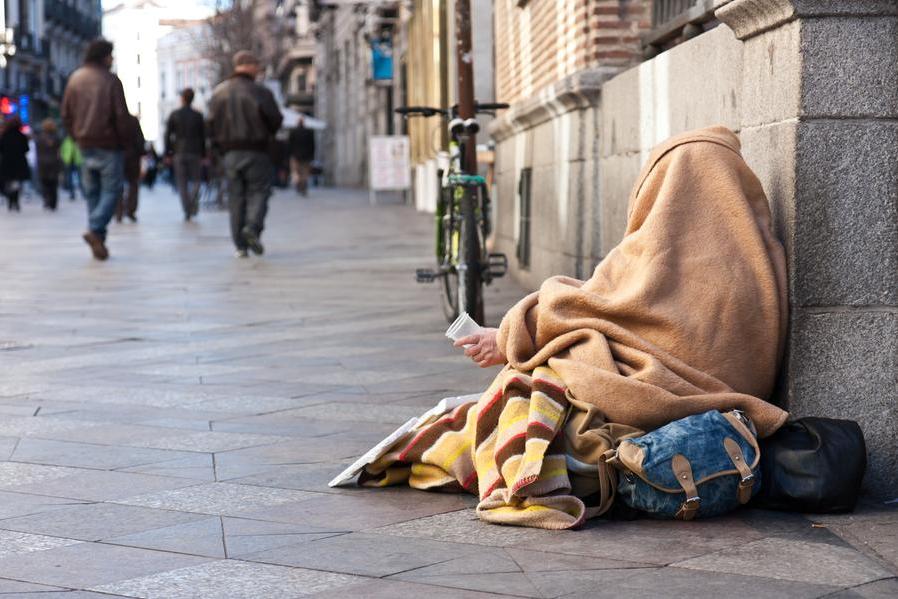
This year the underlying theme of the award was the fight against poverty. Result: fourteen candidates all over the world. Too few to move forward. Better to stop. Better not to reward anyone. A shame.
Tann vom Hove of the City Mayors Foundation said it bluntly: the public did not respond, there were few applications, and – an even more bitter detail – with a few exceptions no one has developed a truly convincing model to fight poverty in their community. Translated: not only is it not interesting, but when it is interesting it doesn’t work.
Yet the award, created in 2004, had told another story for twenty years. A history made up of mayors of large cities and small towns, of different continents, of administrators capable of acting as a link between citizens and institutions. A cross-section of the world seen from below, from the streets, from the neighborhoods, from the town halls. From Tirana to Graz, from Melbourne to Ancona. A gallery of faces and policies that, for better or for worse, spoke of our time.
It is a photograph of society: if poverty does not mobilize, does not move, does not ignite competition, then it remains there. Invisible. As often happens. Furthermore, politicians are obviously rewarded because they fight against poverty, in a world dictated by the race to get rich, by greed, it doesn’t pay, it’s not convenient in terms of electoral consensus.
The solution found is as symbolic as it is revealing: the prize is “merged” with the Solidarity Prize, intended for communities and not individual administrators. An elegant way of saying that on certain issues a good mayor, a band, a speech is not enough. Either we work together or we go nowhere.
Perhaps the Best Mayor in the World has not been found. But something has been found this year: the limit of our humanity, the limit of our empathy, the exact point at which we stop voting. «When I feed the poor they call me a saint. When I ask why the poor don’t have anything to eat they call me a communist”, said the Brazilian bishop Hélder Camera. Now we are afraid even to be called saints.