





They are particularly exposed to stress, overload and recourse to treatments.
In France, nearly one in ten workers lives with a mental illness or is receiving psychotropic treatment (antidepressants or anxiolytics). This figure increases from year to year. Diagnoses are progressing, severe disorders – particularly addictions – are exploding, and young people are increasingly affected. But they are not the only ones. Women also have mental health that is weakened at work. This is what shows a study carried out by Asterès for Acteurs de la French Care and MGEN, published on November 25.
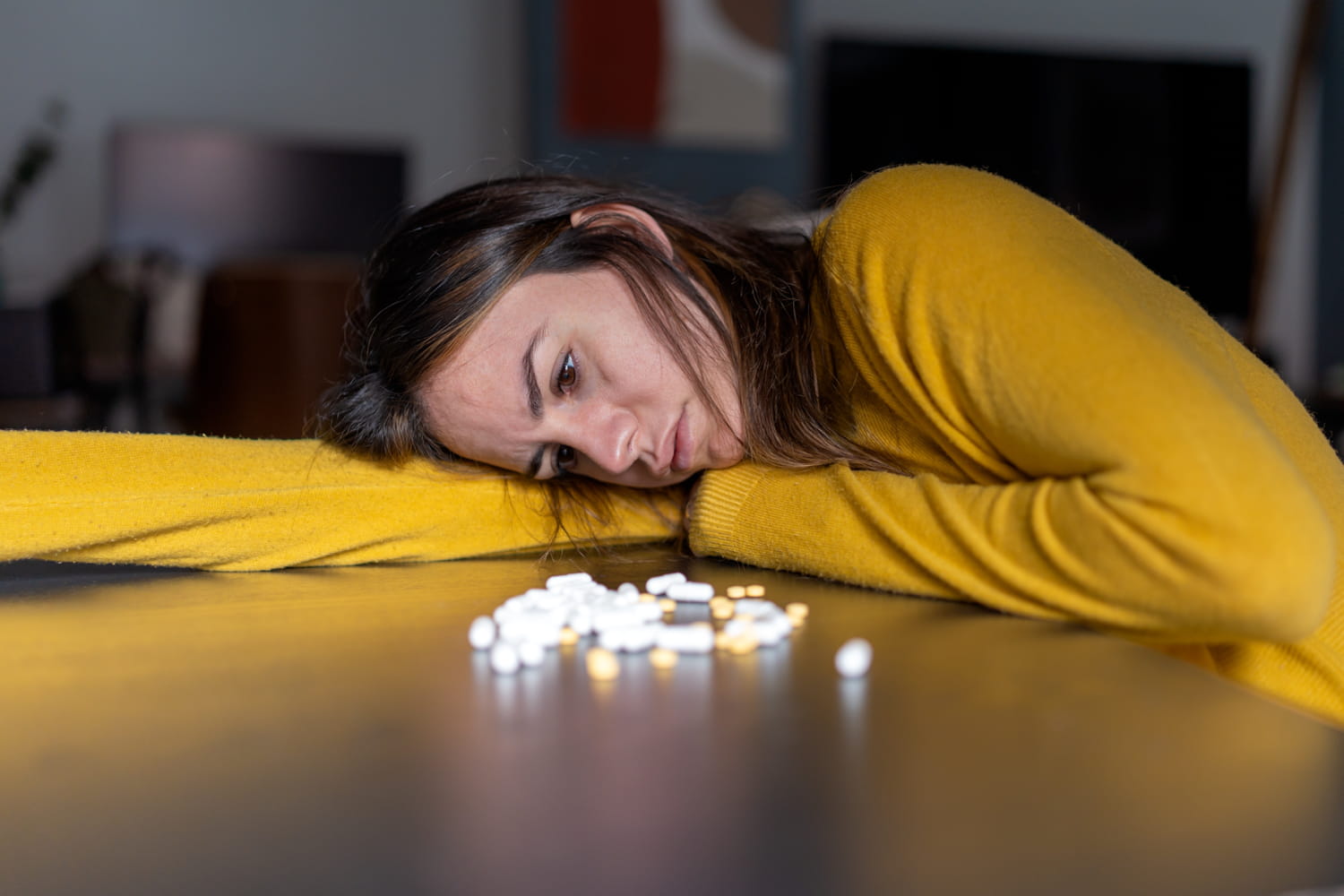
Out of 31 million workers in France, 1.5 million have a diagnosed psychiatric illness and 1.9 million take psychiatric medication, without long-term illness (ALD) or hospitalization. Twice as many women as men take such medications: 675,000 women take antidepressants compared to 314,000 men; and 434,000 take anxiolytics compared to 254,000 men. These medications, which act on the brain and mood, are often taken to “hold on” to the stress or tensions of everyday life. Between 30 and 49 years old, their consumption of antidepressants is even 2.7 times higher. This over-representation can be explained by the accumulation of professional, family and personal factors, but also by sometimes insufficient access to specialized support. Men are more affected by addictive disorders and psychotic disorders.
20% of sick leave is now linked to mental health
The study estimates the overall cost of these disorders to society at nearly 25 billion euros per year. This amount includes care, sick leave and the consequences for companies, faced with fatigue, dropouts and absenteeism. Nearly 20% of sick leave is now linked to mental health, and one in two employees say they have experienced a situation of intense stress during their career. Beyond the figures, the factors of unhappiness are well identified: work overload, prolonged tension, loneliness when teleworking, daily pressure, lack of recognition or difficulty asking for help. So many elements that promote anxiety, sleep problems, exhaustion and, sometimes, depression.
Faced with this observation, French Care Actors are calling for a change in practices. They call for earlier detection, better training for managers, more spaces for dialogue around mental health and a strengthening of the presence of occupational psychologists. They also emphasize the importance of a gradual return after stopping, to avoid relapses.
Finally, the study recalls that certain simple solutions can help reduce symptoms, such as regular physical activity, which reduces anxiety and depressive disorders by an average of 30%. For the authors, mental health must now be considered an essential pillar of professional life. And as long as it remains weakened, women will continue to pay a heavy price for stress and exhaustion.