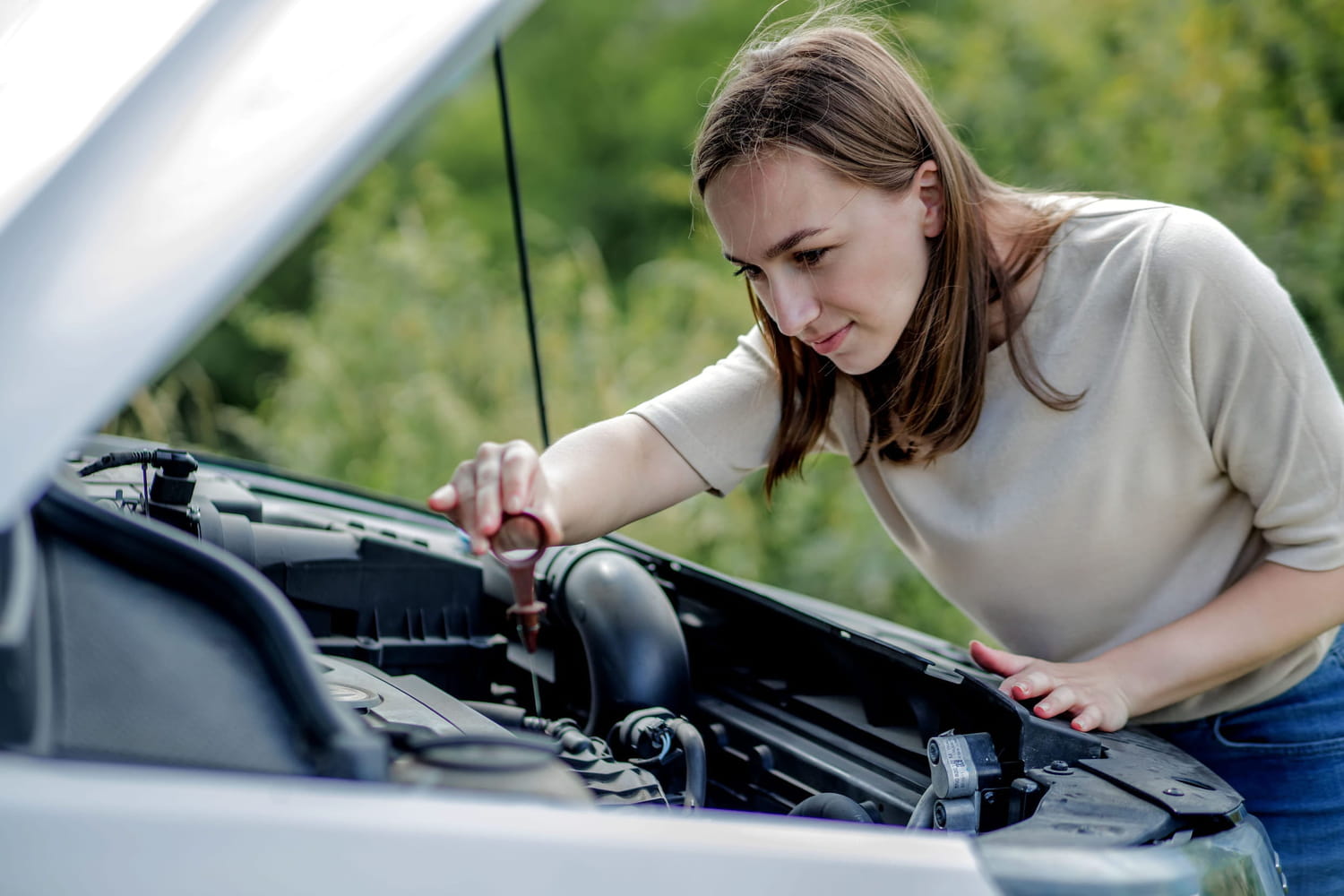
Going on vacation by car requires particular vigilance before driving for hours. Here are the checks to absolutely do before the big departure according to the recommendations of a mechanic.
The big departure is approaching, the suitcases are packed and the excitement is building. However, before turning the ignition key for a long journey, one last crucial preparation is necessary: a complete check-up of your vehicle. Taking the time to inspect your car is not just a tip to avoid the stress of breaking down on the side of the highway or the cost of a repair in the middle of summer. Above all, this is the only way to guarantee the safety of the whole family. Indeed, a vehicle loaded with luggage, subjected to intense heat and kilometers of traffic jams, is put to the test. These checks are therefore essential to travel with peace of mind.
To get on the road without any problems, you should check tire pressure and wear. Warning: a loaded car sometimes requires slightly higher pressure (refer to the label on the door). Moreover, “In addition to safety on the road, poor tire pressure increases fuel consumption on long journeys.”explains Damien, mechanic. Another essential point: the fluid levels under the hood. “When cold, check the oil level carefully to avoid the risk of engine damage as well as the coolant which prevents overheating, without forgetting the windshield washer fluid to remove dirt which could accumulate on the windshield while driving.“, adds the mechanic.
Regarding the timing belt, take a look at the service book to make sure everything is up to date, as is the technical inspection. “Also remember to recharge your air conditioning, especially if it shows signs of weakness” recommends the specialist, because driving in 35°C without fresh air tires the driver enormously and makes children very irritable.
Finally, try as much as possible not to overload your vehicle beyond the maximum authorized weight. When storing the trunk, be sure to preserve visibility of the rear window to maintain control of your environment via the central rearview mirror. Also pay attention to objects placed on the rear shelf or loose in the passenger compartment. In the event of emergency braking, the smallest bottle of water or tablet turns into a dangerous projectile for passengers. Secure everything or use retaining nets for added safety.
Our mechanic reminds us of a few golden rules that are too often neglected. Remember to test all of your lights and indicators (a burnt out bulb quickly happens) and make sure that the wiper blades are not wiping “white”. Don’t forget to keep the obligatory safety kit (yellow vest and triangle) close at hand, and not at the bottom of the trunk under the suitcases. Finally, the best safety advice remains human: provide plenty of water for the passenger compartment, plan breaks every two hours, and if fatigue sets in, pass the wheel.