


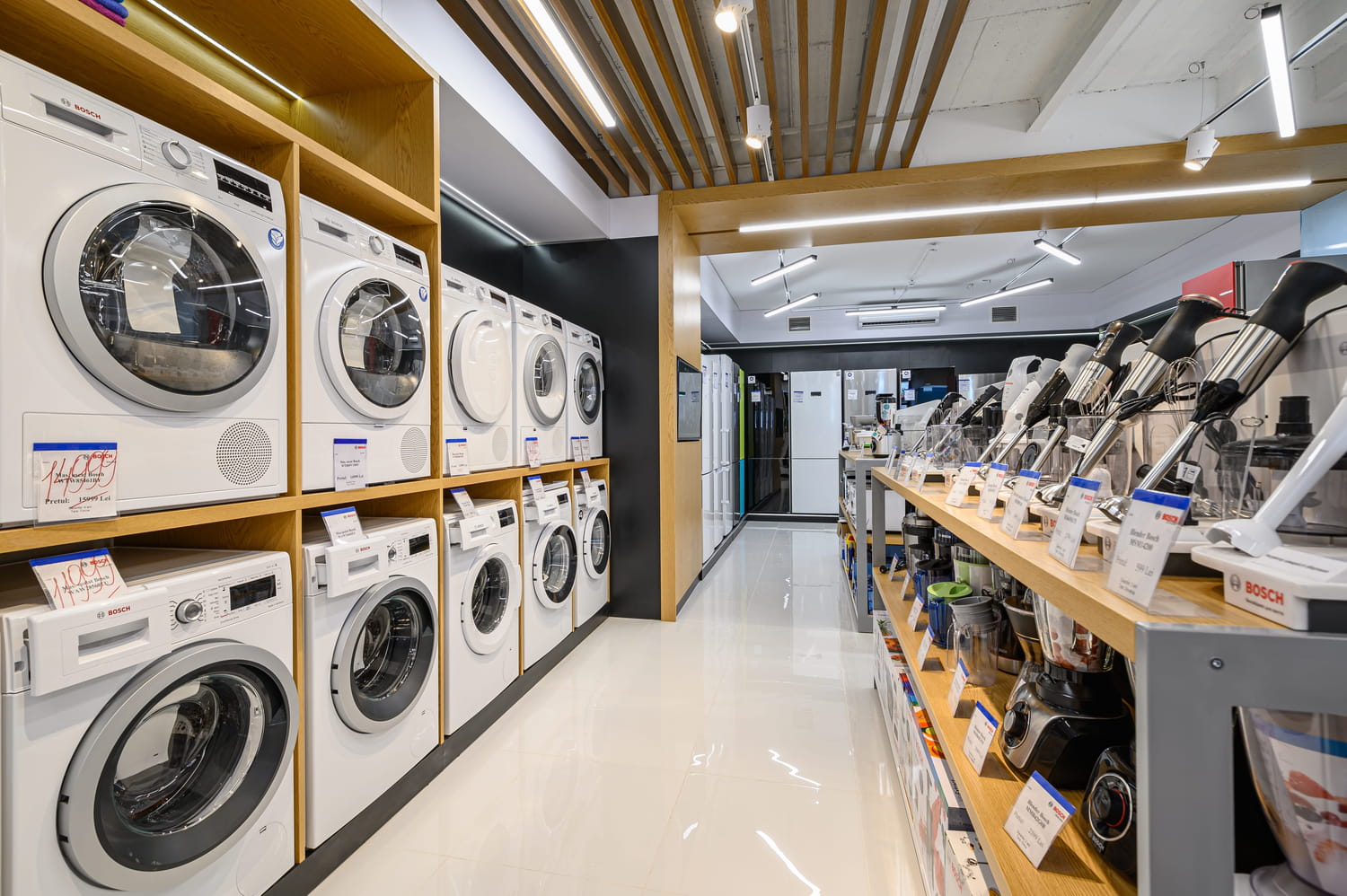



In the store, it’s impossible to guess the problem. And yet, behind certain widely used household appliance brands, a recent situation could transform a classic purchase into an unpleasant surprise.
Buying household appliances in the spring may seem risk-free, especially when you choose a well-known brand that is well-established in stores. Present in major brands, often associated with equipped kitchens, it inspires confidence. Everything seems reliable and yet, in some cases, a key element can escape consumers: the real situation of the manufacturer behind these devices.
Today, some equipment still on sale rests on a weakened foundation. They are always offered normally, sometimes even at attractive prices, without any warning signal clearly appearing. For the buyer, nothing changes: the brand is there, the seller is serious, the product is new. It is precisely this gap between appearance and reality that can pose a problem.
This is the case of the Brandt group, placed in compulsory liquidation at the end of 2025. This decision led to the shutdown of its headquarters, its factories and its after-sales service. And the situation does not only concern this historic brand: De Dietrich, Sauter and Vedette, also produced by the group, are also impacted and still present on the shelves.
The consequences appear especially after purchase, when the device encounters a problem. In theory, during the two years of legal warranty, the seller must repair, replace or reimburse the product. But in practice, it depends on the availability of spare parts. However, with the disappearance of the manufacturer, existing stocks could gradually be exhausted. Distributors can still carry out certain repairs, but the delays may become longer and the solutions may become more limited. If repair is impossible, a replacement or refund remains provided by law, but the procedures can be more complex. And once the warranty has expired, the situation becomes even more complicated: without parts or a structured after-sales service network, certain devices could become irreparable, requiring equipment to be repurchased.
In this context, 60 Million consumers call for vigilance. The magazine recommends avoiding these brands for a new purchase, unless you go through a brand capable of ensuring follow-up itself. For consumers already equipped, it is better to keep all supporting documents and act quickly in the event of a breakdown.