


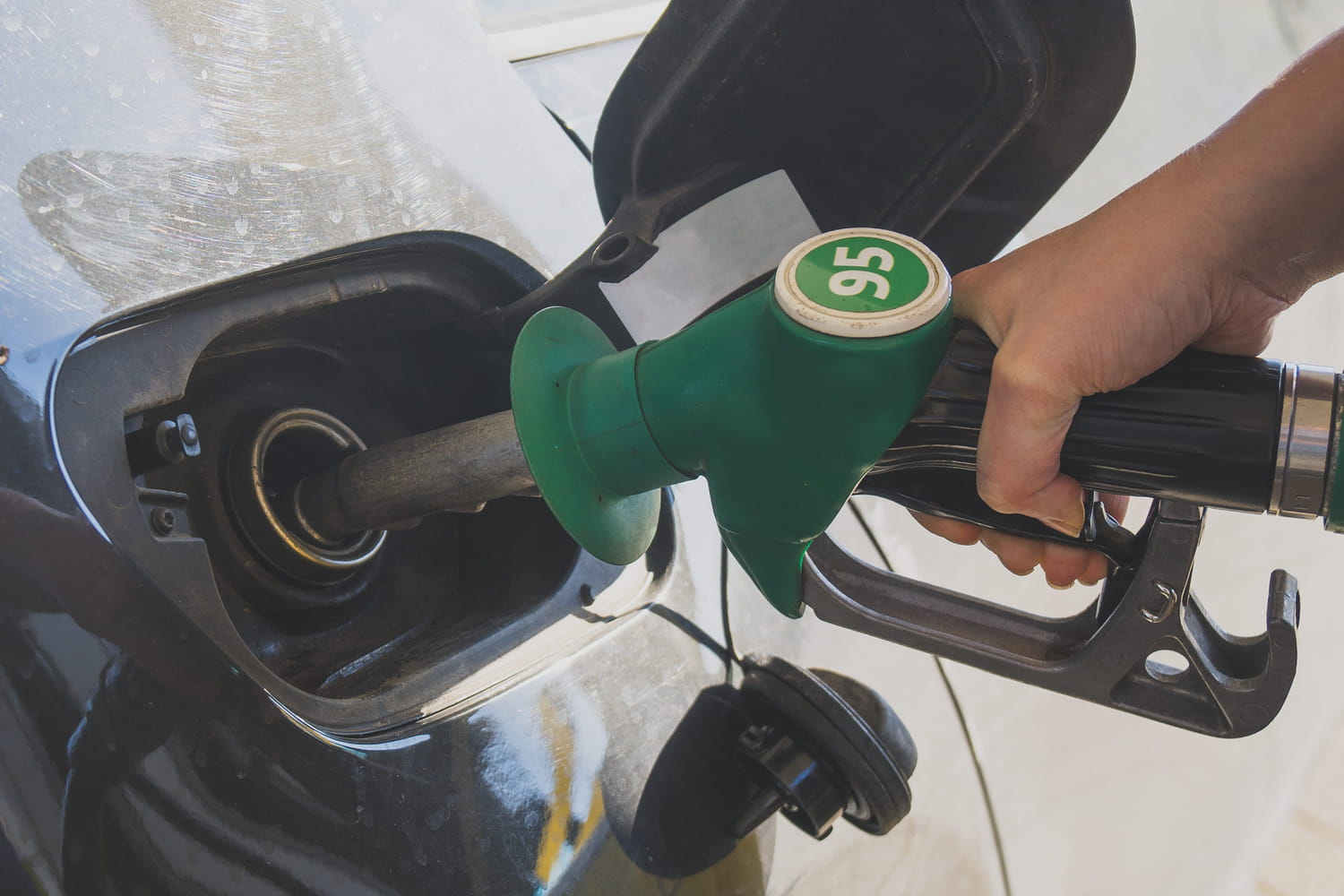



Still unknown a few years ago, this box is installed directly on the vehicle and allows you to run on much cheaper fuel.
The liter of unleaded fuel remains a major expense for households who use their car on a daily basis, particularly in peri-urban and rural areas where alternatives are limited. According to data published by the Ministry of Ecological Transition, fuel prices have experienced strong variations in recent years, with peaks well in excess of two euros per liter for certain gasolines. In this context, the question of automobile purchasing power no longer only concerns the choice of vehicle, but also that of fuel.
For several years, E85 superethanol has emerged as a credible option. Distributed in a growing number of service stations, this fuel contains up to 85% ethanol, produced mainly from sugar beets and cereals grown in France. Its price at the pump remains significantly lower than that of the SP95 or SP98. According to official figures, it generally fluctuates around 0.80 to 1 euro per liter, when conventional gasoline frequently exceeds 1.80 euros. Concretely, for a full tank of 50 liters, the difference is concrete: around 45 euros in E85 compared to almost 90 euros in SP95.
However, not all gasoline vehicles are originally compatible with E85. Only so-called “flex-fuel” models, offered by certain manufacturers, can run on gasoline or superethanol without modification. For others, a technical adaptation is necessary in order to adjust the fuel injection and ensure optimal engine operation. This is where a device approved by the French authorities comes in since a decree published in 2017, which precisely regulates its installation and use.
Concretely, this system is called the FlexFuel box and is installed in the engine compartment. It analyzes the proportion of ethanol in the tank in real time and adapts the quantity of fuel injected. This regulation allows the engine to operate correctly, whether it is a full tank of conventional gasoline, superethanol or a mixture of the two. You will have understood, only petrol models are concerned. Cars running on diesel are not compatible with this device.
Please note that the initial investment varies between 700 and 1,500 euros depending on the vehicle model and the installation must be carried out by an approved professional in order to guarantee the conformity of the vehicle, the updating of the registration document and the maintenance of the guarantee under the conditions provided for by the regulations. However, some local authorities offer financial aid to encourage conversion. Regardless, the savings at the pump can pay for the equipment in one to two years.