




It’s a revolution for liver diseases. From the grindstone to the doctor’s office, here is the story of a brilliant intuition that saves thousands of patients every year.
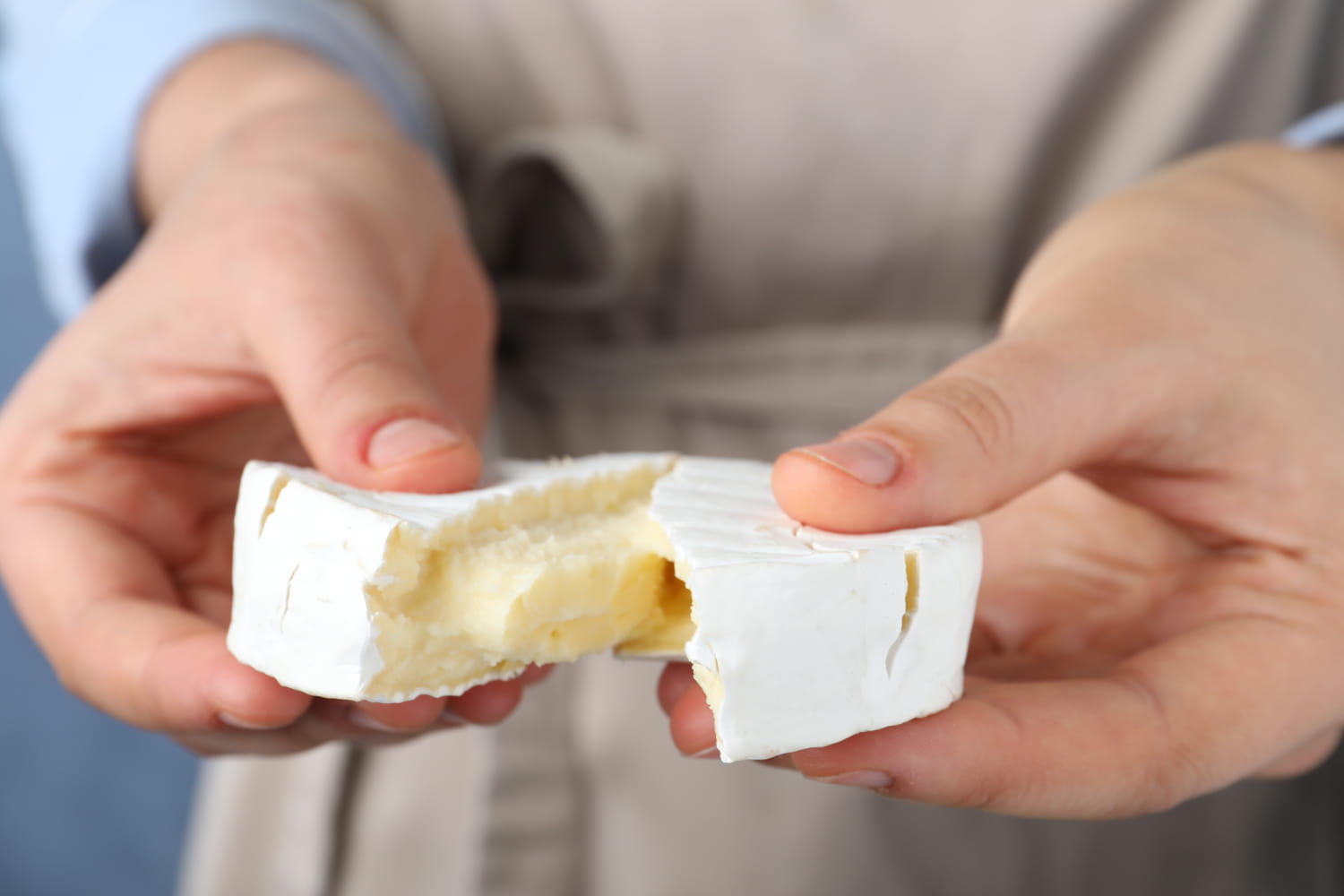
This story is famous in the French medical world, because it perfectly illustrates how an observation of everyday life can revolutionize medicine, Professor Laurent Castera, specialist in liver diseases (Beaujon Hospital, Paris), immediately tells us during a press conference at the Paris International Liver Meeting. It all started at the end of the 1990s, in the laboratories of the École Supérieure de Physique et de Chimie Industrielles in Paris. Physicists specializing in waves are working on a very concrete question for the food industry: how do you know if a cheese is ready to be eaten without having to cut it in half?
Cheesemakers do it instinctively: they tap the wheel. If it vibrates in a certain way, the dough is soft; if it is too hard, the refining has gone too far. The researchers decided to transform this artisanal gesture into a mathematical equation. They invent a machine that sends a small shock wave through the cheese to measure its “firmness”. This is where the hepatologist – Professor Michel Beaugrand – who at the time headed the hepatology department at the Jean-Verdier hospital in Bondy, comes in. By meeting these researchers, he made a brilliant connection: “But a diseased liver is exactly like cheese that ages: it becomes hard!“
Indeed, when a liver undergoes attacks (alcohol, hepatitis, fat), it scars and becomes rigid: this is fibrosis. The harder the liver, the more advanced the disease. Previously, to measure this hardness, doctors only had one invasive solution: biopsy. A long needle was inserted to remove a piece of organ. It was painful, risky, and required a day in the hospital. The researchers then adapt their “cheese tester” to the human body. The FibroScan was born.
Concretely, what does it change for the patient? Imagine that you are in a consultation. In the past, the announcement of a suspected liver disease was synonymous with anxiety and the operating room. Today, thanks to this improbable meeting between the maturing cellar and the hospital, this is how it happens: you lie on your back. The doctor places a probe (which looks like an ultrasound probe) between your ribs. You feel a slight vibration on the skin, like a little “flick”. This is the shock wave that passes through your liver. In 99% of cases, the general practitioner prescribes the FibroScan when he detects a risk (overweight, diabetes, abnormal blood test) and sends you to have it carried out in an equipped center.
The instant result: In less than 5 minutes, the device displays a figure in kiloPascals (kPa). Around 5 kPa: your liver is soft like fresh cheese, everything is fine. Between 7 to 12 kPa: your liver is slightly rigid like a mature cheese, this is a sign of moderate fibrosis (start of NASH which is an accumulation of fat and inflammation). Above 12.5 kPa: your liver is hard like old cheese, this is a sign of severe fibrosis, often caused by NASH or hepatitis, with a major risk of progression to cirrhosis.
With the help of the FibroScan, the doctor can adjust the treatment immediately. You leave with your result, without scars, without having fasted, and you can get back behind the wheel or return to work straight away. Although the measurement is simple to make, the interpretation of the figure (in kiloPascals) must however be cross-referenced with other examinations (blood tests, ultrasound).