




Who has never dreamed of finding a little gold to make a nice note with? In this corner of France, no gold at stake but the promise of precious stones which are also worth a small fortune.
Contrary to what one might believe, precious stones are not only found in Asia or Latin America. Surprise: France also hides a formidable deposit of gems! Few people know it, but our soil contains several types of precious and semi-precious stones, hidden in certain regions. One corner in particular stands out more than the others…
First of all, what exactly is a precious stone? The term only applies to four rare and highly sought-after gems: diamond, sapphire, ruby and emerald. Their shine, hardness and rarity make them the undisputed stars of jewelry. These stones, whether precious or not, are formed in the heart of the Earth, under extreme conditions of temperature and pressure. Over time, they are released by the erosion of rocks, particularly volcanic rocks, and are deposited in the alluvium of rivers. And as France also has a rich volcanic heritage, some of these natural treasures are indeed hidden beneath our feet.
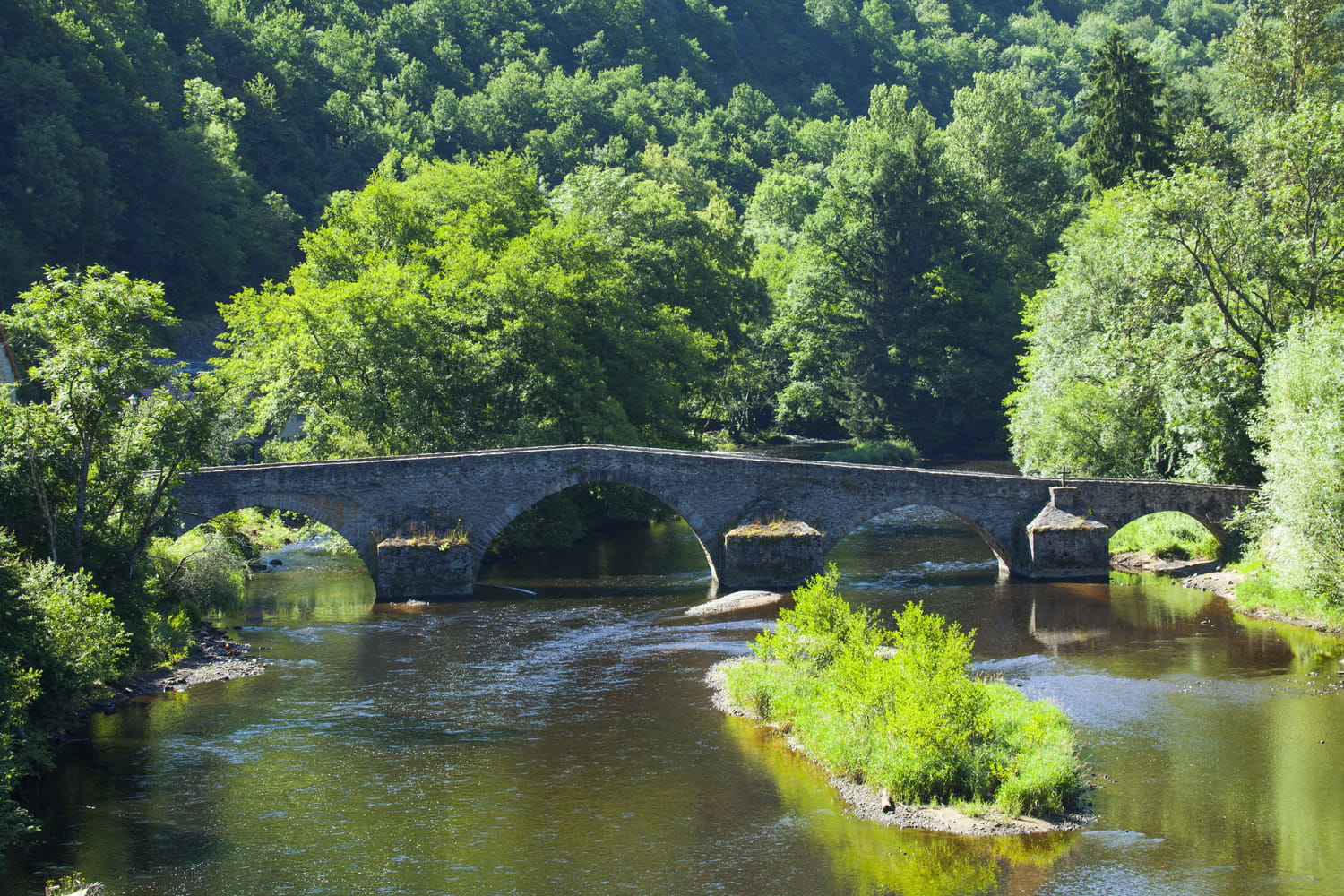
Indeed, France is home – to date – to the largest deposit of sapphires in Europe! This precious stone, rare and coveted, is generally found in tropical countries such as Madagascar or Sri Lanka. However, it is in the heart of Auvergne that this natural treasure is hidden. There, enthusiasts sift river sediments in search of these deep blue stones, sometimes almost transparent, with dazzling reflections and captivating shine. A beauty born from volcanic depths, and which can be worth up to 10,000 euros per gram for the rarest specimens.
In 2023, a river near Issoire, in Puy-de-Dôme, has even become the object of much desire. Exceptional finds have allowed some lucky people to win several million euros reports The Parisian. But a quarrel, requiring legal action, then broke out. Because there are rules to respect even if collecting is legal in principle.
Before you start, it’s best to know the rules. The collection of minerals is authorized, provided that the legal framework is respected. The activity must remain occasional, without extraction in large quantities, and cannot be carried out either on private land without authorization, or on a protected site. Finally, if you are lucky enough to find a promising stone, it is best to consult an expert. Only he will be able to establish a true “identity card” for the sapphire, guaranteeing its authenticity and its value!