





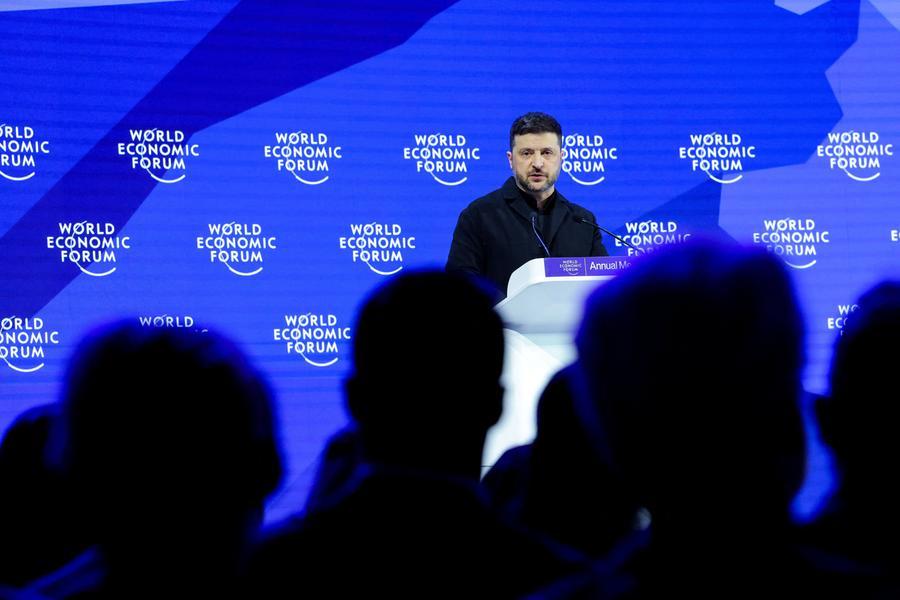
The first trilateral peace talks between the delegations of Ukraine, Russia and the United States, underway in Abu Dhabi, in the United Arab Emirates, arrive after Volodymyr Zelensky’s meeting with Donald Trump in Davos – and the announcement of the agreement reached between Kyiv and Washington on American security guarantees for Ukraine, one of the key points of the peace plan – and the speech at the World Economic Forum by the Ukrainian president, who harshly rebuked his most faithful allies, namely the countries of the European Union, of having no “political will” to face Vladimir Putin and of appearing “lost” and “fragmented” in the face of Donald Trump.
A lecture that almost had the flavor of an open outburst from Zelensky, who arrived in Switzerland in the days in which Kyiv is under continuous heavy attack from the Russians, the capital’s energy system was sent to collapse.
After the long series of talks, meetings, attempts at agreement that have marked these almost four years of large-scale war, the first trilateral between Kyiv, Moscow and Washington (the US special envoy Steve Wikoff together with Jared Kushner flew to Moscow last night) It appears like a step forward and understandably generates great anticipation and many expectations. Which, however, could be disappointed. At the moment, the situation appears to be at a standstill on what are the crucial and most controversial points of the plan and the Kremlin appears adamant on its key demands, the territorial ones: Moscow demands that Kyiv completely withdraw from Donbas. For the Russians, this is the condition for a peace agreement.

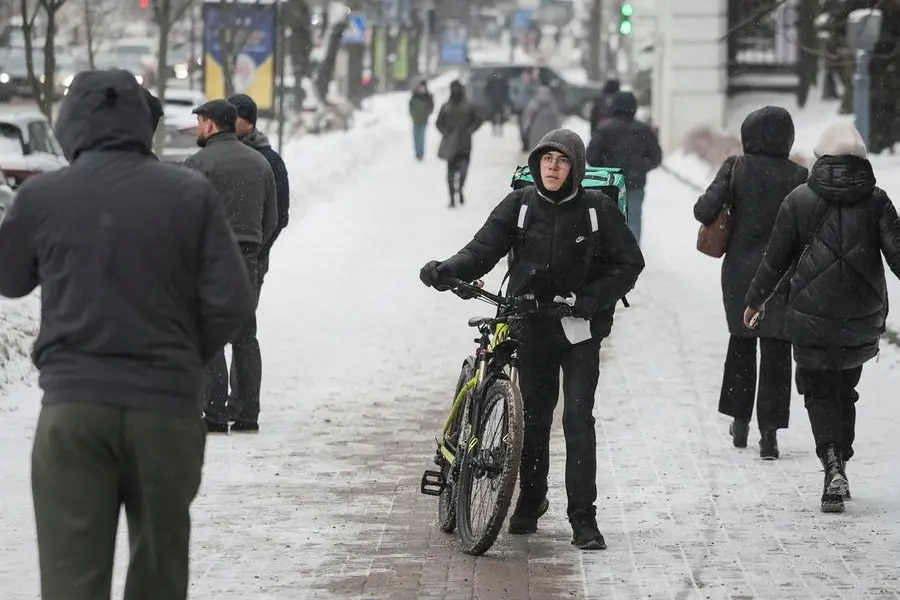
In short, the road doesn’t seem downhill at all. And the Ukrainians, tired and disheartened, know this well and now have little hope for an end to the war in the short term. The Russian offensive shows no signs of slowing down and continues to plague the country, starting from the capital. THE incessant bombings have left Kyiv in the dark, in the cold, without water, in a period in which temperatures reach up to 20 degrees below zero. The energy emergency has brought the capital to its knees.
The situation is extremely difficult for the inhabitants and Mayor Vitaliy Klitschko has asked all residents who can afford it to leave the city – an appeal he had already launched two weeks ago, after a vast night-time attack left six thousand apartment buildings without power – and warned the remaining inhabitants to stock up on food, water and medicine, in anticipation of further attacks. In the city, the mayor said, there are currently almost two thousand buildings without heating.
As the testimonies from Kyiv tell, in many homes the heating, if there is any, works poorly and, with the frost outside, the temperatures inside the homes drop to 10 degrees below zero, making it very difficult to resist, especially at night. Refreshment points have been set up around the city where residents can receive food and hot drinks, warm up and recharge their phones and electronic devices. City life tries to move forward, in a semblance of normality. People try to resist. However, since the beginning of January, due to the incessant attacks and the energy emergency, 600 thousand people have abandoned Kyiv.