




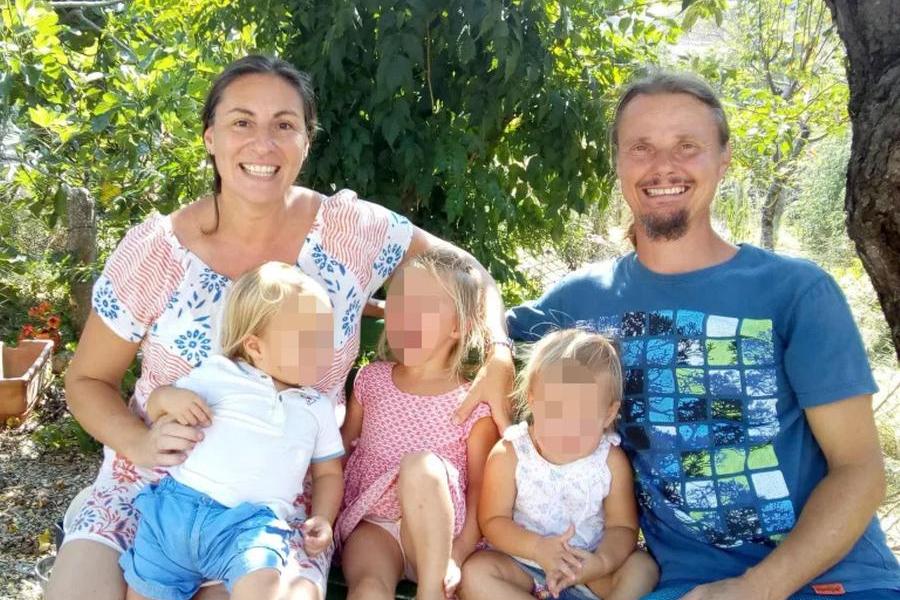
The forest in our imagination has undergone a progressive metamorphosis: from a catalyst of all ancestral fears, to an idyllic refuge. And the way in which the case of Palmoli’s family is making headlines proves it.
For Dante it was a dark forest. Claudio Giunta, in his popular work to make the‘Hell accessible even to those who are not familiar with thirteenth-century Italian, note that metaphorically aside, the forest was a very real fear for traveling medieval man.
For the target audience of Little red riding hood the forest was the metaphor of the encounter with the danger inherent in the unknown predator.
For us, now, it seems to have definitively become a nice place to take refuge, far from a civilization that runs too fast and scares us, having in the meantime lost awareness of the fact that even in the literary tradition, from classicism onwards, the locus amoenus (literally “the beautiful place”) always hides pitfalls.
In part, all of this probably depends on the fact that those who, today, imagine the forest often only know it in the protected dimension of hiking, of holiday evasion, having lost the experience of daily confrontation with its reality and with its complications and pitfalls, natural but also social, more in terms of isolation than of bad encounters: a reality that was among us until recently and which, despite radical choices or particular isolations, is now overcome in our latitudes.

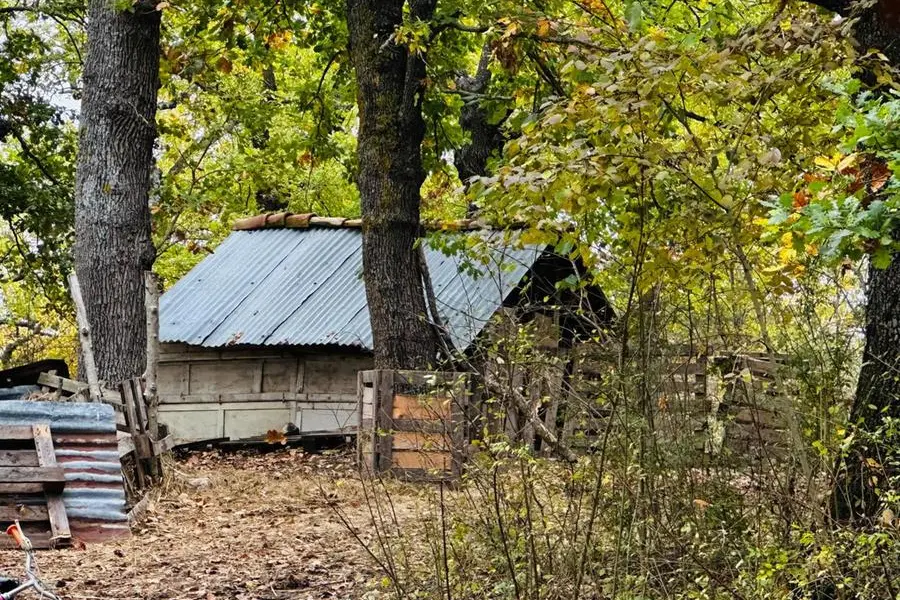
One wonders: what made it so that what in the ordinance of the magistrates of L’Aquila was an unhealthy “ruin” very quickly became in the news a “little house in the woods”, instead of a more neutral “house”? Even purifying the question of some factors of an exquisitely political nature that we would like to leave aside, this shift of terms from the neutral to the term of endearment tells us something about our gaze, about the archetypes which, even unconsciously, resonate within us and which give the forest and nature a prejudicially positive connotation, which the suffix “-etta” of the little house, an alternative term of endearment, demonstrates.
It is undeniable that, whatever our vision of the world, the somewhat abstract suggestion of a return to nature has a fascinating influence on us. It is probable that, among the archetypes, the imagination of Heidi acted in us, even there unconsciously: who didn’t think of the cute Swiss little girl who came from the pen of Johanna Spyri in the nineteenth century and brought to life by Hayao Miyazaki in the seventies, when seeing those three children? A very successful literary archetype, which carries through animation the Alpine stereotype of the eighteenth and nineteenth centuries into the seventies of the twentieth century: in Heidi we see an ideal of growth in freedom and simplicity contrasted with the domestic isolation of an elegant but oppressive building in a Frankfurt suffocated by the industrial revolution. In times of climate change, of environmental awareness, all this resonates with us.


But the danger is to forget that Heidi and her drawing sweeten everything that is hard in the mountains and in the woods (and that you could even guess between the lines): you can’t see the cold, you can’t see the manure, the goats that live in promiscuity with people are always clean, the milk that is drunk freshly milked is synonymous with freshness. But the entirely positive narrative overshadows the less suggestive part, which our conquests have put behind us at least in privileged countries: the milk is not pasteurized, Peter not only doesn’t go to school and doesn’t know how to read but he works all day in contact with goats alone. We accept him in the fairy tale, but only there can we be satisfied with his childish serenity that removes fatigue.
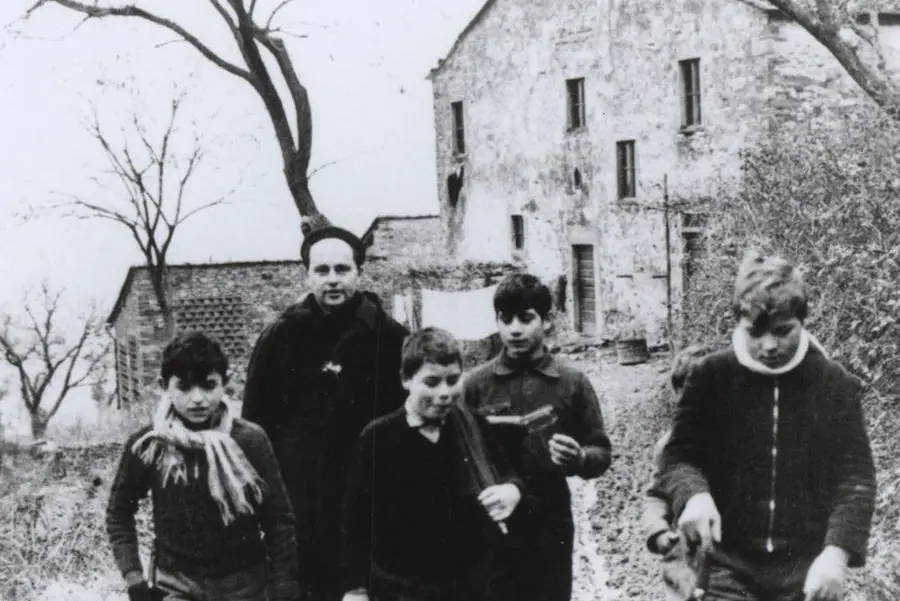
In reality we know that then we grow up, that when we stop playing the deprivations take their toll. It is the account we read in Pastoral experiences of Don Lorenzo Milani (1958), which really describes the shepherd children and, just when as a priest he ends up immersed in the effects of those lives compared to the wealthy privilege in which he grew up, he understands that the place of turning point is the school. From there he becomes a teacher. Don Milani, not by chance, invents a school for the Peters of his time, to remove them from the fate he saw in the dying shepherd who at 84 years old only learned the language that served him for the “soliloquy with the sheep”. And which will make him conclude: “No one should do that job anymore, or at least no one who doesn’t already know how to pray, think, read.”

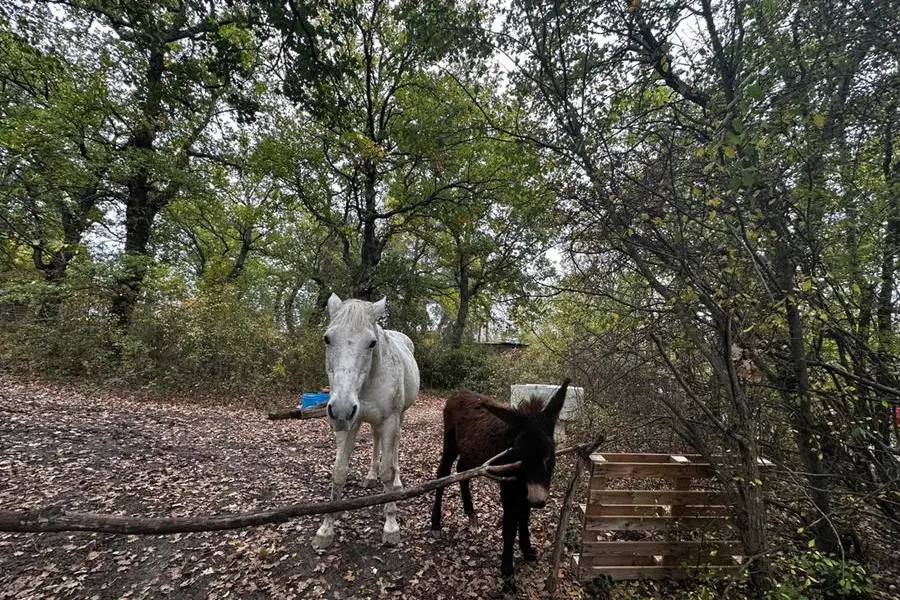
The children of the forest are not Peter, they are not little shepherds, but from what we understand they have not learned to read and they saw the first pediatrician of their lives last summer. Education, health, social relationships with other children outside the family unit are the issues today at the center of judicial decisions on the forest family.
We are looking for a laborious mediation on that: the point is not to tear the children away from nature or the family (it is clear from the documents that the separation which not by chance includes the mother is thought of as temporary) but to find a balance between the parents’ choices of environmental radicalism and the children’s fundamental rights to see their health safeguarded by the conquests which in the last century and a half have made the average age leap forward, to not fall back into illiteracy which has now almost been erased from our borders. After having secured this baggage to nature, you can then return if you want, but by choice not by marked road.