



Created by artists, adopted by enthusiasts: reborn babies fascinate as much as they disturb. On the networks, some mothers are mocked or called crazy. Psychologist Vincent Joly deciphers this growing phenomenon.
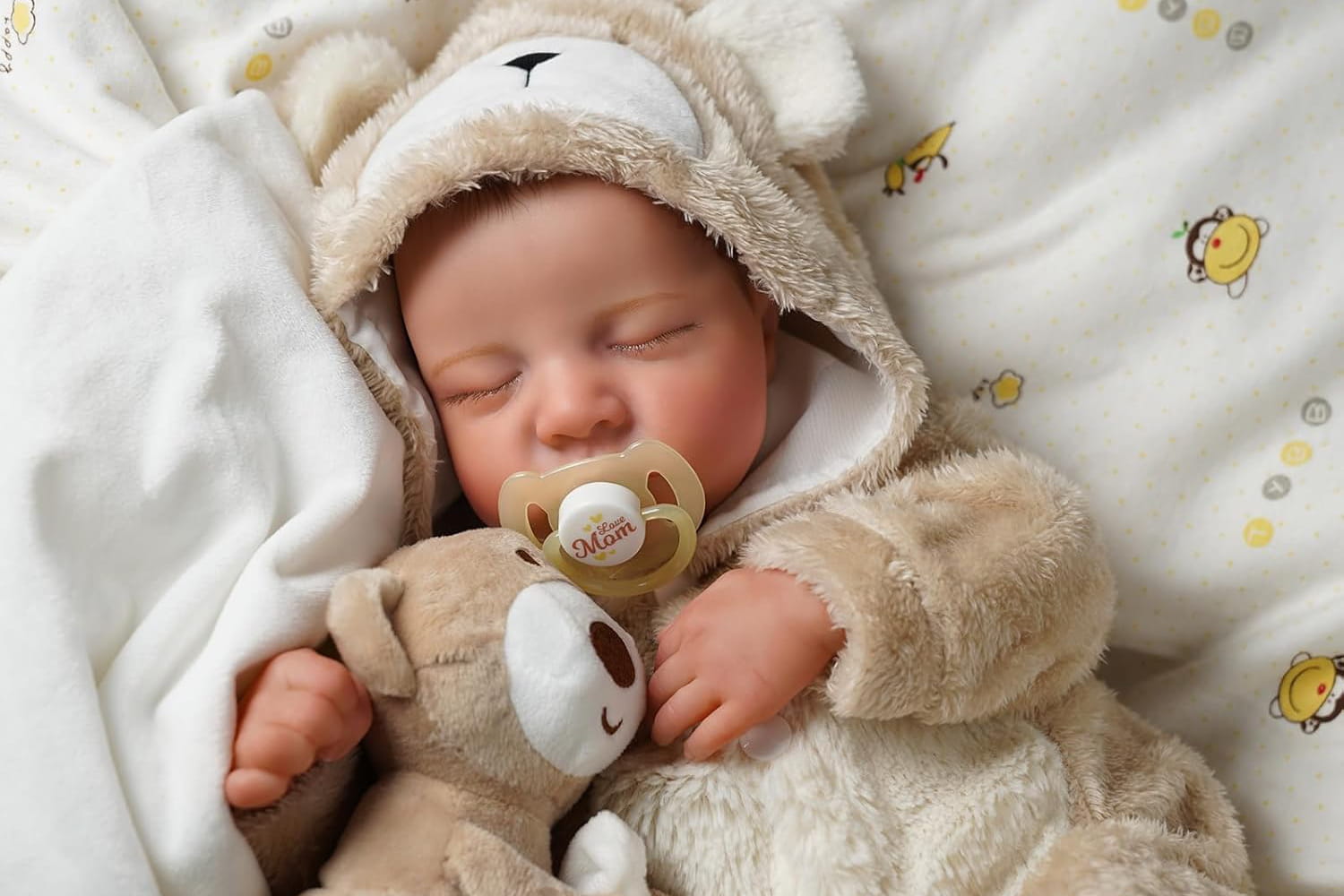
Reborn babies are handcrafted by artists who can reproduce the skin, weight and features of an infant with uncanny precision. Each doll requires between 30 and 60 hours of work: painting in thin layers to imitate veinlets, implanting hair one by one, varnishing the nails, adding a mechanism to simulate breathing or heartbeat… These unique and ultra-realistic pieces can cost from a few hundred euros to more than 3,000 euros. Originally created for the cinema, reborn babies then found their way to collectors. But some people are increasingly integrating them into their daily lives as emotional support, particularly after a miscarriage, perinatal bereavement or in cases of infertility. This is where the public gets confused: a woman who puts her reborn baby in a swing at the park, another who walks him in a stroller, or the one who gives him a bottle in a shopping center. These scenes, although isolated, perplexe most people…
In recent weeks, the phenomenon has grown on social networks. Reborn mothers, who take care of their babies like a real baby, demand places in daycare or medical appointments with a pediatrician, who change a diaper in public toilets while the (real) mothers wait… Advertisements for reborn nannies have even been published on Leboncoin and the networks. We contacted a few who, each time, immediately deleted their ad, seeing here an opportunity to earn easy money… Has this phenomenon become so unusual that it is mocked by Internet users? According to Vincent Joly, psychologist, these extreme examples are isolated cases: “No, reborn moms are not crazy“, he insists.
He first recalls that “human beings are playful animals“and as an adult“we no longer allow ourselves to play with toys”while we accept very well that an adult spends hours on a console. He compares reborn babies to the wax or collectible dolls of our grandparents that some place around a table: “the reborn baby, for many people, is a collecting phenomenon quite close to that”. What is shocking is that “the staging is done in the public space“, even if “the vast majority of people know how to put the game in the right place.” According to him, the most confusing videos are mainly “provocation and staging to create buzz“. So, “most know perfectly well the difference between reality and imagination“, explains Vincent Joly, who specifies that “sIf someone were to confuse the two, it would not be because of a reborn baby: she would have confused it with anything else, because it is a pre-existing psychotic functioning“.
The psychologist instead calls for benevolence. Some people use these babies to rebuild their lives after a miscarriage or perinatal loss, experiences that are too painful and still little recognized socially. “When in doubt, it’s better to assume that people don’t do it for nothing.“, he explains. Behind a scene that seems strange, there may be real pain dating back only a few days or simply an inconsequential game. On the other hand, “making fun of someone who is struggling with grief can be dangerous“, he adds.
For him, most of these practices relate to play, collecting or personal strategies to cope with an ordeal. This need for reconstruction can sometimes be temporary, but if it can help, why not… Really problematic cases are rare. “When in doubt, let’s be kind“, he concludes: an essential position facing a subject where judgments arrive faster than understanding.