
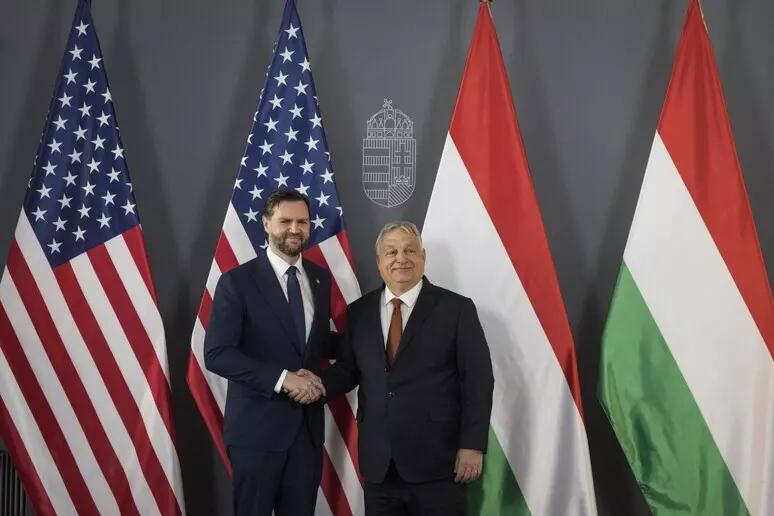


Viktor Orbán is only 62 years old, but he is the longest-serving leader of the European Union. Having come to power in May 2010, he has since transformed Hungary into an “illiberal democracy” and has exerted an influence far beyond Hungary’s borders. Pioneer of Christian nationalism and staunch opponent of liberalism and multiculturalism, over the years Orbán has become a point of reference for exponents of the European sovereign right (among them Giorgia Meloni, Matteo Salvini, Marine Le Pen) and also for the MAGA (Make America Great Again) movement of Donald Trump and JD Vance (who rushed to Budapest in recent days to support the prime minister’s electoral campaign). Orbán is also the main element of disruption in the European Union (which has opened several infringement procedures against him) and the most pro-Russian of the leaders of the countries of the Union. And it has demonstrated this in various ways: by continuing to buy Russian oil, delaying and blocking EU measures to support Ukraine, but also by providing Russia with confidential information on discussions between European Union leaders about sanctions against Moscow.
For these reasons, the outcome of the parliamentary elections on 12 April is highly awaited in Brussels, Moscow, Washington and Kyiv.
Orbán dedicated the 16 years of his stay in power to creating a state apparatus (courts, media, electoral administration) loyal to his Fidesz (Hungarian Civic Union) party. Thanks to the system he has built, Orbán has not lost an election so far.
But on Sunday, for the first time, he risks big. Polls give Orbán’s main rival, Peter Magyar, a clear lead. Magyar, 45, a former diplomat and lawyer, former Fidesz follower and loyal member of Orbán’s inner circle, distanced himself from Fidesz and founded his own party Tisza (Respect and Freedom), which won 30% of the votes in the European elections in June 2024.
Orbán presented the elections as a defensive fight, warning of external threats from Ukraine, Brussels and “pro-war” actors, with campaign slogans such as “We will not be a Ukrainian colony” reinforcing this position. His rhetoric paints Magyar as aligned with foreign interests and EU institutions. Instead, Magyar centered his campaign on promises of “real regime change,” focusing on exposing corruption, reforming governance and restoring Hungary’s European orientation.
Polls give Magyar a clear advantage, but the Hungarian electoral process is quite complex and poll numbers do not necessarily translate into parliamentary seats. On Sunday the polls will close at 7pm, then the wait for the results will begin. We will have to take into account the postal vote, which until now has always favored Orbán. This year, almost 500,000 people (a record number) have registered to vote by post, and many of them reside in Romania and Serbia.