




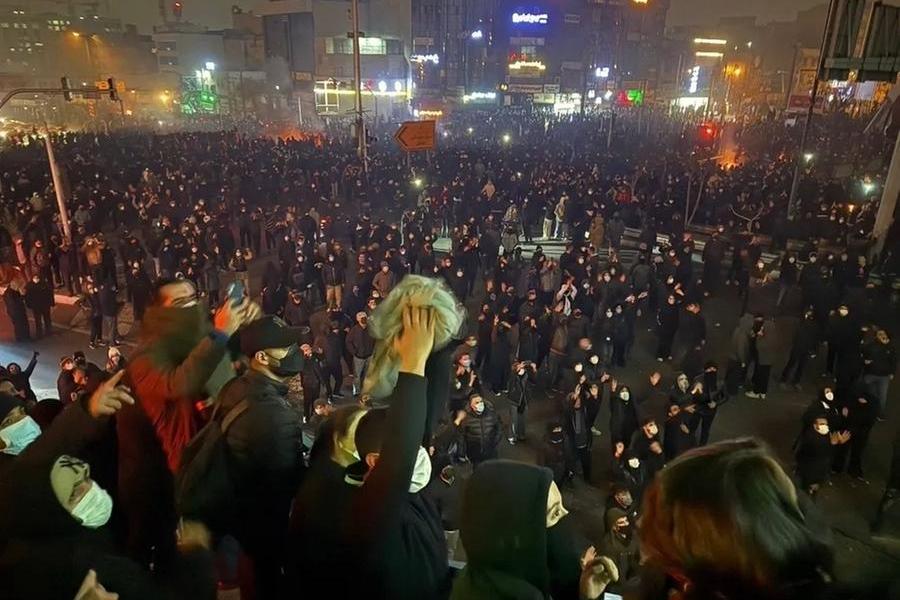
“The situation is now under total control.” The Iranian foreign minister said this today Abbas Araghchiadding that “what is happening now is not protests, it is a terrorist war against the country.” The Iranian regime is standing firm in the face of the wave of protests that has been overwhelming the Islamic Republic since December 28th. The internet blockade has isolated Iran from the rest of the world. “I have no news, I can’t even hear from my parents,” an Iranian acquaintance who has lived in Italy for some time told us yesterday. By blocking the web, the authorities hope to make communications between protesters difficult, but images of crowds in the streets, cars on fire and black bags full of corpses outside hospitals still arrive from Iran. The US news agency Human Rights Activist News Agency (HRANA) claims to have verified the deaths of nearly 500 protesters and 48 members of law enforcement, while other sources cited by the BBC claim that the death toll could be much higher.
According to the Critical Threats Project of the Institute for the Study of War, cited by Al Jazeeraprotests in Iran began to wane on Sunday. According to the think tank United States, the decline in demonstrations is likely due to the government’s nationwide Internet shutdown and crackdown on the use of Starlink satellites. However, American President Trump has said that he intends to speak with Elon Musk to reactivate the use of the Starlink network in Iran. Al Jazeera reports that demonstrations in support of the government are being organized in various cities in Iran.

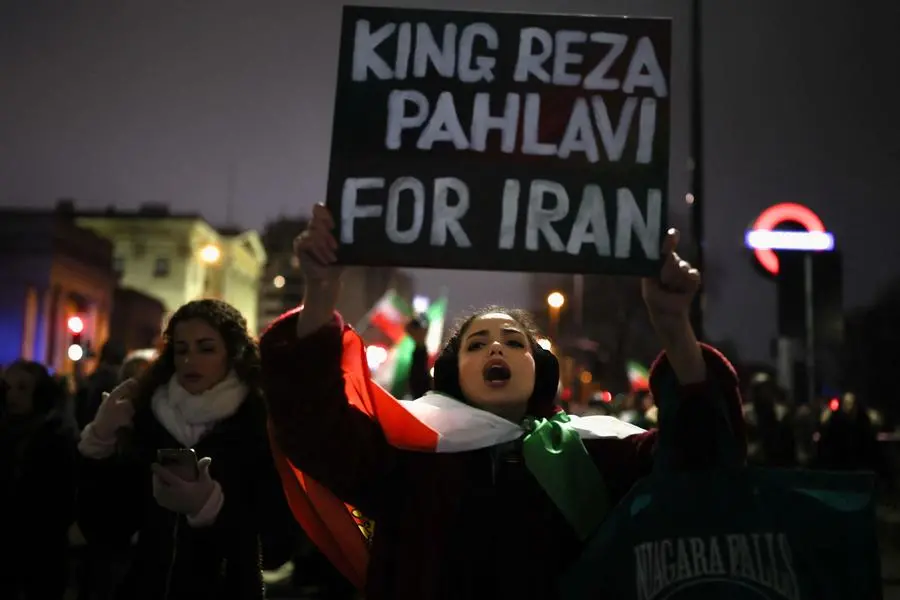
Demonstrations of support for the Iranian protest in London
(REUTERS)
Protests in Iran began in late December to express discontent with the country’s economic situation. The sanctions, the costly war against Israel, the mismanagement of the economy have caused the increase in prices and the loss of value of the local currency, the rial, against the dollar. The protest soon turned into a broader criticism of the Iranian regime. Protesters chanted slogans such as “Death to the dictator” and “Iranians, raise your voices, shout for your rights”. On Sunday, HRANA reported that there were protests in more than 185 cities across all 31 provinces of the country, with more than 10,000 people arrested.
Initially the government had recognized the economic difficulties and the President of the Republic, Masoud Pezeshkianhad appointed a new head of the central bank. But then the hard line prevailed. Mohammad Movahedi Azad, Iran’s attorney general, said on Saturday that legal proceedings against the rioters should be conducted “without clemency, mercy or appeasement.” He warned that “all criminals involved” would be considered “enemies of God”.
The protest, as has always happened in recent years in Iran, is spontaneous and without authoritative and recognizable leaders. The regime still shows solidarity behind the political and spiritual leader, Ayatollah Khamenei. There are no reports of defections from the country’s armed institutions, primarily the Revolutionary Guards and the Basij militias. Since his exile in the United States Reza Pahlavi, 66, the son of the former Shah of Persia, who left Iran at 19 following the Khomeini revolution, presents himself as a transitional figure towards democracy. In an article in the newspaper Washington PostReza Pahlavi, wrote that he steps forward “not as an aspiring ruler, but as the administrator of a national transition to democracy” leading to national reconciliation and a referendum “to determine the future democratic form of government.” In some ways, some Iranians living abroad argue, Pahlavi at this moment is a symbol that can unite, even if a return of the monarchy seems unlikely.
What may happen in the next few days is also in Donald Trump’s hands. At the beginning of the protest, Trump said that the United States was “ready to intervene” if the Iranian government were to use lethal force against demonstrators, and he was briefed by American leaders about potential military attacks. However, Trump remains cautious. A military intervention against Iran is not without risks, also due to the threat of reprisals against Israel and US military bases in the Gulf region. A demonstration type intervention risks being too little and even counterproductive. A more decisive intervention could trigger a harsh reaction from the regime, also to the detriment of the protesters and the Iranian population. Faced with these risks, it is not surprising that in the last few hours there have been signs of a possible dialogue between Tehran and Washington. “As I have repeated several times, we are also ready to negotiate, but only if they are fair and dignified negotiations, conducted on an equal footing, with mutual respect and on the basis of common interests,” says Iranian Foreign Minister Araghchi. Trump confirmed that Iranian officials had called him “to negotiate,” but added that “it may be necessary to take action before a meeting.”