



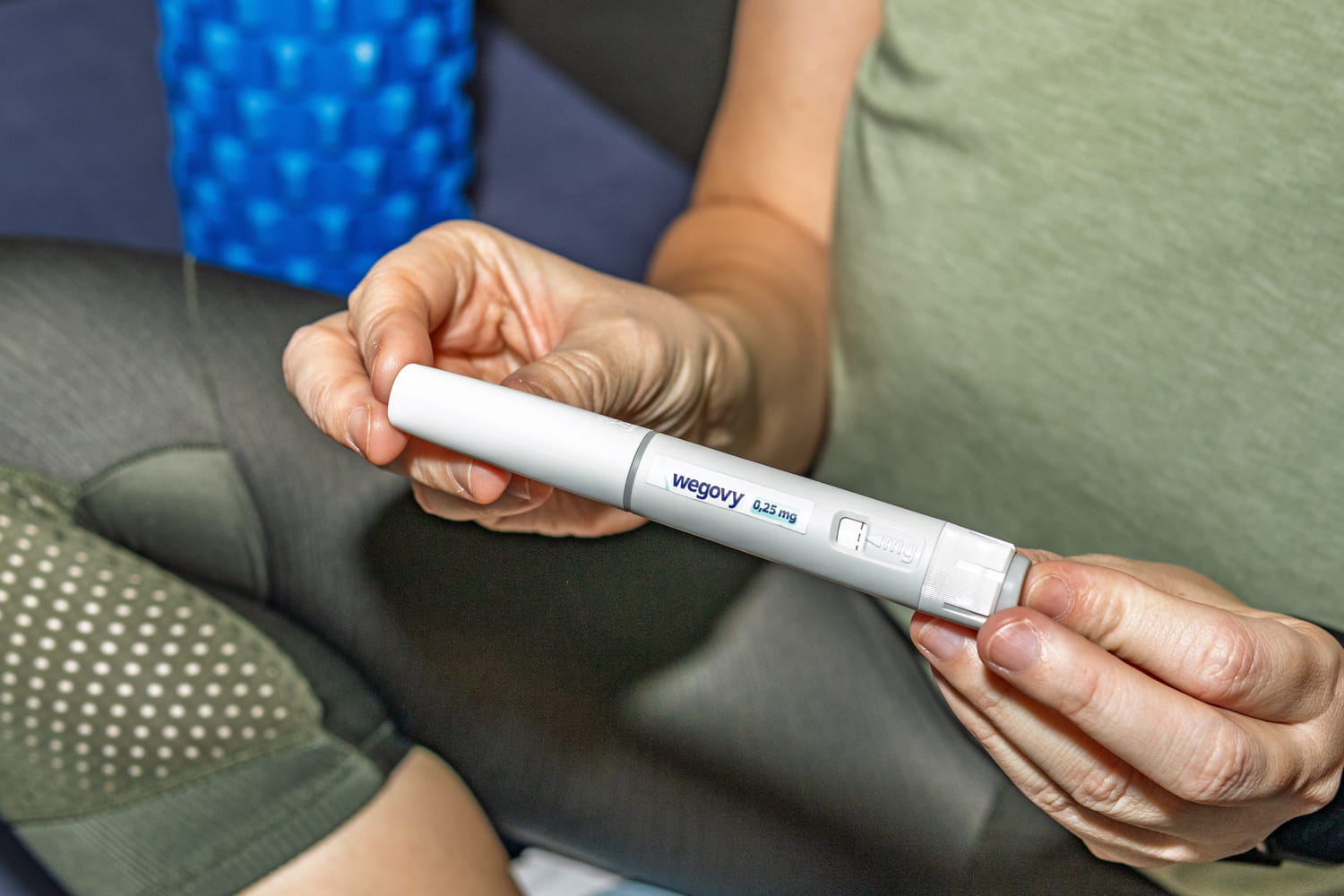
Around 1 million people are theoretically eligible in France according to the criteria set by the High Authority of Health.
This is the subject that is shaking up the world of health in the month of June 2026. Long awaited by patient associations, the reimbursement by Health Insurance of the two flagship treatments against obesity, Wegovy (semaglutide) and Mounjaro (tirzepatide), has been official since Monday, June 15. Until now, these injections remained entirely the responsibility of the patients, sometimes costing several hundred euros per month. But be careful of the announcement effect: Health Insurance does not open the floodgates to everyone. Access is subject to very strict medical and administrative criteria.
Reimbursement is not intended for people wishing to lose a few “extra pounds”. The High Authority of Health (HAS) has modeled the access criteria on those for bariatric surgery (such as bypass or sleeve). To hope for treatment, the patient must meet one of these two weight conditions: either a BMI (Body Mass Index) equal to or greater than 40 (massive obesity), or a BMI equal to or greater than 35 (severe obesity), but only if it is associated with at least one complication (comorbidity) linked to weight (such as high blood pressure, sleep apnea, cardiovascular diseases or serious joint problems).
In both cases, reimbursement is only granted as a second intention. This means that it is necessary to prove the failure of traditional nutritional and dietary management (defined by a weight loss of less than 5% after 6 months of well-conducted follow-up). The attending physician cannot sign the initial prescription allowing reimbursement. To avoid excesses in comfort prescriptions, the government has reserved initial prescriptions for specialized referral structures (levels 2 and 3). You must be referred to a Specialized Obesity Center (CSO), a doctor working in a university hospital or in a specialized medical care and rehabilitation establishment (nutrition, endocrinology, diabetology) or an endocrinologist-diabetologist-nutritionist (hospital or private). Once this first hospital or specialist prescription has been validated (generally for a period of 6 months or a year), the general practitioner can, in a second step, ensure the renewal of the prescriptions.
If a patient ticks all the medical boxes and follows the correct care pathway, the official reimbursement rate is set at 65% by Health Insurance. The remaining 35% (the co-payment) is the responsibility of the patient or their complementary health insurance (mutual). 100% full coverage remains possible, particularly if the patient benefits from a specific exemption (such as Long-Term Illness – ALD status) depending on their overall pathological situation.
If you do not meet the strict criteria for reimbursement (for example, if your BMI is between 30 and 35, or from 27 with a risk factor), Wegovy and Mounjaro remain accessible with a simple prescription from your doctor, provided you respect the medical contraindications. However, in this “off-course” framework, the treatment will be entirely your responsibility (no reimbursement from Social Security). The price is no longer free: the registration of these drugs for reimbursement now regulates their national price. No more anarchy of variable prices from one pharmacy to another. The official total cost (which ranges from approximately €146 to more than €430 per month depending on the molecule and the prescribed dosage) will, however, remain a major financial barrier for patients not eligible for treatment.