



CEO Today Executive Dossier — Evergreen Edition
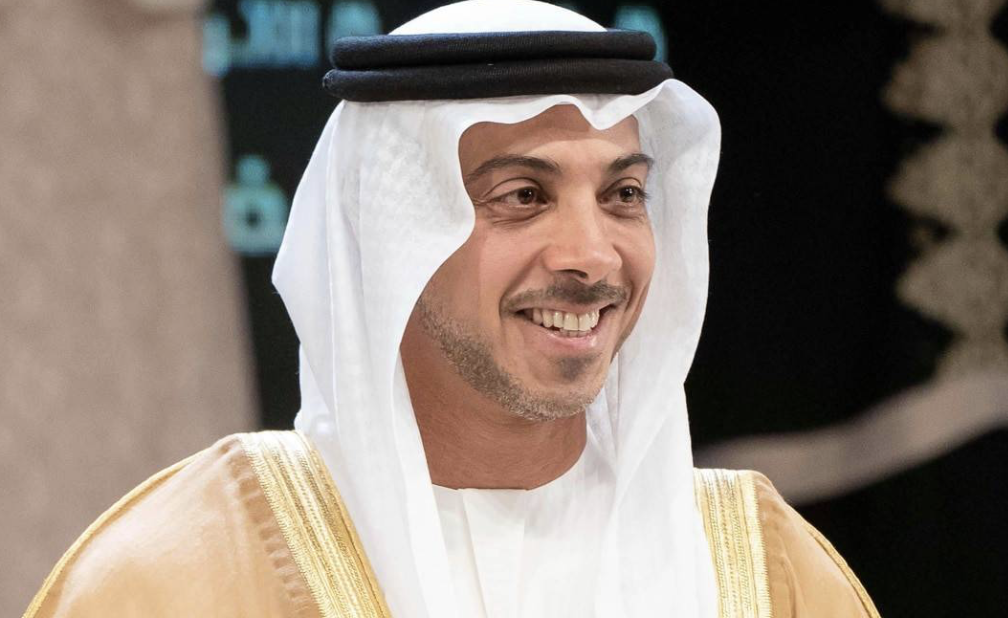
Sheikh Mansour bin Zayed Al Nahyan: The Capital Custodian Behind Manchester City
Current Titles:
Vice President of the United Arab Emirates
Deputy Prime Minister of the UAE
Minister of the Presidential Court
Chairman, Abu Dhabi United Group (ADUG)
Sheikh Mansour’s influence does not come from public visibility or executive activism. It comes from his position inside one of the world’s most capital-rich sovereign ecosystems, where patience, liquidity, and political alignment converge. He controls access to long-duration capital that can outlast market cycles, regulatory pressure, and public scrutiny—an advantage that has reshaped not only Manchester City, but competitive dynamics across the Premier League itself.
Sheikh Mansour’s leverage is structural, not performative. He does not operate as a CEO accountable to quarterly earnings calls or activist shareholders. His authority flows from proximity to sovereign capital, political continuity, and institutional insulation—conditions rarely available to owners in European football or global business.
Capital Velocity:
Sheikh Mansour operates within Abu Dhabi’s ruling family framework, where capital is deployed through family-controlled vehicles and state-aligned investment arms rather than external limited partners. This grants near-total time arbitrage. Investments can be held indefinitely, recapitalized without dilution pressure, and defended during downturns. In the context of the Premier League, this patience has allowed Manchester City to invest through regulatory cycles and competitive volatility without the financial retrenchment faced by more leveraged rivals.
Platform Dominance:
Through Abu Dhabi United Group, Sheikh Mansour owns Manchester City Football Club, a global sports asset that functions as both a revenue-generating business and a soft-power platform. Competing in the Premier League, the world’s most commercially powerful football competition, amplifies that platform—delivering global broadcast reach, commercial leverage, and enduring brand influence that extends well beyond sport.
Governance Mot:
There is no activist pathway into Sheikh Mansour’s holdings. Governance is secured through royal decree, state alignment, and private ownership. Decision-making authority is centralized, insulated, and largely immune to external shareholder pressure. This governance structure contrasts sharply with publicly listed football clubs and investor-led ownership models common elsewhere in the Premier League, reinforcing the durability of its position.
Core Vitals
-
Full name: Sheikh Mansour bin Zayed bin Sultan Al Nahyan
-
Date of Birth: November 20, 1970
-
Age: 55
-
Primary Residences: Abu Dhabi; London (part time)
-
Estimated Net Worth: Often cited in the tens of billions, although precise figures are opaque due to private holdings and sovereign overlap
-
Capital Structure: Sovereign-family controlled, privately held, state-aligned
Sheikh Mansour’s wealth is not a personal liquidity pool in the Western sense. It is embedded in a broader Abu Dhabi capital architecture, blending private, royal, and national interests.
Education & Pedigree
Sheikh Mansour was educated in the United Arab Emirates and the United States, including studies at Santa Barbara City College. While his formal academic credentials are modest by Western executive standards, his real education came through proximity.
As the son of Sheikh Zayed bin Sultan Al Nahyan, the founding president of the UAE, Sheikh Mansour grew up inside the architecture of state-building, energy diplomacy, and capital stewardship. His network was inherited, not assembled. Access to ministries, sovereign funds, and international heads of state was embedded early, shaping a leadership style rooted in discretion rather than self-promotion.
The Empire: Business & Holdings
Sheikh Mansour’s holdings are best understood by function rather than sector.
The Cash Flow Engines
At the core sits Abu Dhabi’s energy wealth, although indirectly. While Sheikh Mansour does not personally manage ADNOC, his capital ecosystem is inseparable from hydrocarbon revenues that continue to fund Abu Dhabi’s global investments.
Financial services, private equity, and infrastructure investments form the stable base that allows risk-taking elsewhere without jeopardizing capital preservation.
The Influence Assets
Manchester City Football Club is the most visible of Sheikh Mansour’s assets. Acquired in 2008, the club was transformed from a mid-tier English side into a global sports powerhouse. Beyond trophies, City became a brand ambassador for Abu Dhabi, projecting modernity, competence, and ambition.
The City Football Group expanded this influence globally, building a network of clubs across Europe, Asia, Australia, and the Americas. This created a vertically integrated football ecosystem that blends player development, data, branding, and commercial partnerships.
The Growth and Optionality Bets
Sheikh Mansour’s exposure to technology, clean energy, and international real estate reflects Abu Dhabi’s long-term diversification strategy. These investments are less visible but strategically aligned with a post-oil future.
The Playbook: How Power Is Deployed
Sheikh Mansour’s defining move is patience.
Time arbitrage:
Manchester City was not built for immediate returns. It absorbed years of heavy investment before becoming commercially dominant. Losses were tolerated because the time horizon extended beyond normal ownership cycles.
Capital recycling:
Profits and brand equity generated by mature assets are redirected into new growth initiatives. The football platform itself became a launchpad for media, sponsorship, and global partnerships.
Aggressive Neutrality:
Sheikh Mansour rarely engages in public disputes. When controversies arise—particularly around financial regulation in football—the response is legal, procedural, and measured. Silence is often the strategy.
Risk Profile & Current Climate
Sheikh Mansour’s primary exposure lies in regulation, not markets.
Regulatory pressure:
European football authorities and domestic leagues have increased scrutiny around ownership models, financial fair play, and state-linked investment. These pressures test the boundaries of permissible capital deployment rather than financial solvency.
Reputational risk:
Manchester City’s success brings visibility, and visibility attracts scrutiny. Allegations, investigations, and legal challenges have become part of the operating environment.
Succession and Continuity:
Unlike founder-led companies, Sheikh Mansour’s capital position is not dependent on personal charisma or execution. The system endures beyond the individual.
Governance & Power Map
Sheikh Mansour cannot be “fired” in a corporate sense. His authority is anchored in royal status and state alignment.
-
Unilateral control: Strategic direction of ADUG and related assets
-
Veto power: Exercised internally through Abu Dhabi’s ruling framework
-
Board Dynamics: Boards serve advisory and execution roles, not oversight in the Western activist sense
Governance is centralized, stable, and long-term.
How Personality Shapes Power
Sheikh Mansour’s defining personal trait is restraint. He avoids interviews, limits public appearances, and delegates visibility to executives and partners. This absence is intentional.
Privacy enables flexibility. Decisions are made away from media pressure and political theater. This temperament supports long-duration investments where outcomes matter more than narratives.
His philanthropic efforts, largely conducted through formal foundations and state initiatives, align with national priorities rather than personal branding. Giving is structured, not performative.
Why His Influence Endures
Sheikh Mansour represents a form of power that Western markets often underestimate: patient capital aligned with state continuity.
He doesn’t need to exit. He does not need validation from public markets. He does not need to justify timelines to shareholders. That insulation allows him to absorb volatility that would destabilize conventional executives.
Manchester City’s success is often framed as a sports story. In reality, it is a capital story—one about what happens when time, money, and governance align without friction.
As global markets grow more volatile and short-termism intensifies, Sheikh Mansour’s model looks less like an anomaly and more like a preview of where durable power resides.