



The announcement came from the Minister of Defense Israel Katz: «Israel has launched a pre-emptive strike against Iran to remove threats against it». Immediately afterwards the American president echoed him Donald Trump: «Iran will never be able to have a nuclear weapon. We tried to make a deal, but they rejected every opportunity to give up their nuclear ambitions.”
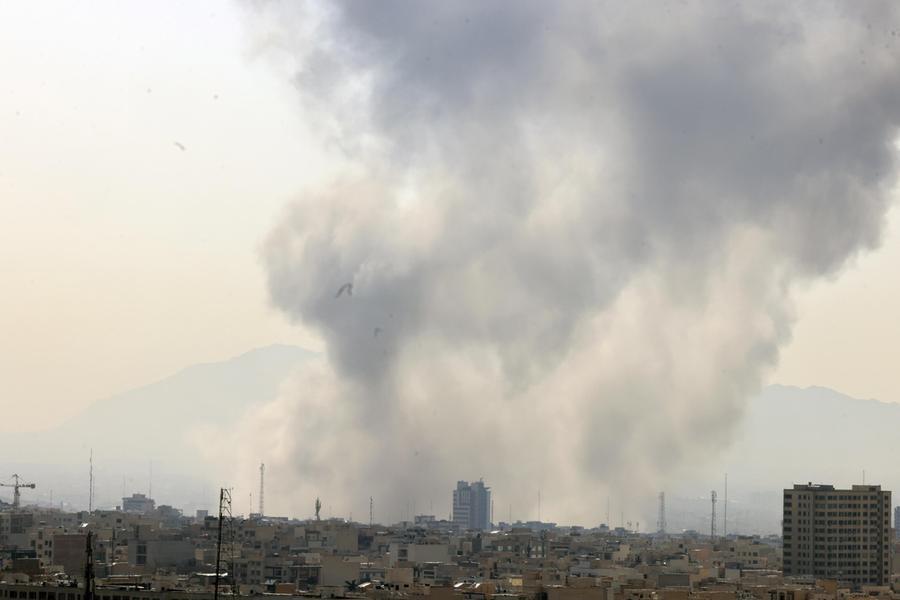
And so since this morning, February 28, 2026, sirens have been ringing across the country in this joint operation between Washington and Tel Aviv that follows the twelve-day air war fought in June between Israel and Iran. Iranian media reported explosions in Tehran and columns of smoke visible in the capital, while Supreme Leader Ali Khamenei was transferred to a safe place.
Alarm sirens have also sounded in Israel; the government declared a national state of emergency, closing schools, non-essential businesses and civil airspace.
But why did Israel and Iran attack now?
CLOSURE OF DIPLOMATIC CHANNELS:
The talks underway in Geneva have reached a stalemate: according to the Wall Street Journal, Tehran has rejected the idea of transferring its uranium supplies abroad, opposing the end of enrichment and the dismantling of its nuclear plants. Closure also on ballistic missiles.
INTERNAL WEAKNESS:
The Ayatollah regime is going through its most serious crisis since 1979. An economic crisis, a crisis of relations with regional allies and of consensus among the population who continues to protest despite the massacres committed: while the official figures speak of “only” 3,117 deaths, some estimates are much higher, from over 6,000 to more than 30,000 killed in two days.
A massacre that mainly affects young people and especially women. Famiglia Cristiana has indicated Narges Mohammadi, a human rights activist, once again locked up in prison, among the Famiglia Cristiana Women of the Year 2025 for her courageous battle against the oppression of the regime in Iran, becoming a symbol of the “Woman, life, freedom” movement.
CHANGE IN ENERGY BALANCE:
A regime change could make Iran’s enormous energy resources fully available in Western markets again, impacting global balances, particularly in relations with China.
MILITARY REASONS
For weeks, Washington had strengthened its military presence in the area, with aircraft carriers, fighters, bombers, anti-missile defense systems and thousands of men distributed across different bases, with the aim of being ready both for a prolonged operation and for possible Iranian retaliation.