




For many, the slightest unforeseen event seems more difficult to manage over the years. Contrary to popular belief, it is not a biological inevitability. Professor Bertrand Fougère, author of “Age is in the head”, deciphers this feeling of “too much” and gives the keys to regaining the serenity of before.
It’s a feeling shared by many people: over the years, the slightest grain of sand seems to become a mountain. We believe we are more fragile, more anxious, less “solid” than at 40. The most obvious example of this discrepancy is undoubtedly that of meals with family or friends. Where, at 40, you organized tables of twelve people between two urgent cases and children’s activities without even thinking about it, receiving four guests today can seem like insurmountable logistics. Is this a decline in your abilities? Absolutely not.
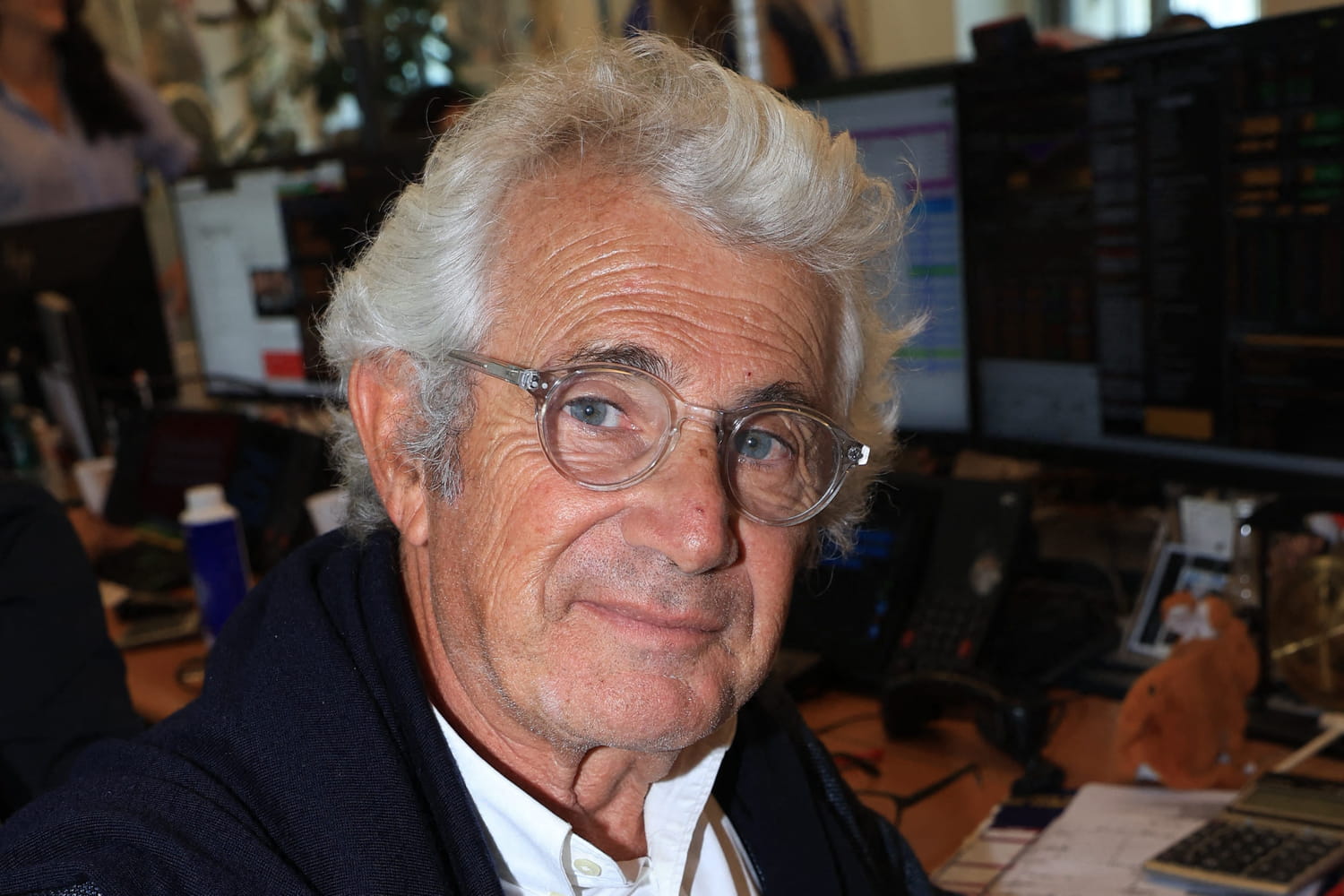
“We are not more stressed because we get older. This is a false prejudice. If that were the case, everyone in their 80s or 90s would be depressed and anxious, which is not the case“, immediately confides Professor Bertrand Fougère, specialist in aging and author of the book “Age, it’s in the head!” (Ed. Vuibert), to the Journal des Femmes. As we age, the machine is not broken, it simply reacts to a changing life context. But then where does this impression come from?
This feeling of being overwhelmed by events often has more organizational than biological origins. It’s a question of usual cognitive load. “When your life is an uninterrupted succession of logistical challenges, your brain is on “autopilot” mode when faced with the unexpected. With a calmer pace of life, this same event now takes up all the space. It’s no longer “one task among a hundred”, it’s “the event of the day”. The stress does not come from a new fragility, but from the fact that this “grain of sand” shakes up an organization that has become more fixed, more valuable, and therefore more sensitive to disruptions.explains Professor Fougère.
Aging well is above all learning to transform losses into new opportunities. The departure of children or the end of a career are not just “ends”, they are spaces that are freed up. “To grow old is to succeed. The one who manages to age well is the one who manages to adapt to these different situations of loss by creating other things. We enrich ourselves from another activity, from another investment“, summarizes the specialist. To maintain this “malleability”: you must stay in motion, both physically and socially. Preparing for transitions (such as retirement) and continuing to learn allows you to maintain this famous peak of happiness which, according to certain studies, reaches its peak at age 65. A golden age where, freed from parental and professional pressures, we can finally say: “Age is really in the head“.
The main thing is not to let your routine become static: change your routes and try new activities to keep your brain “malleable” and responsive to change. It is just as important to anticipate life transitions, such as retirement or children, by planning new projects (volunteering, sport, writing, etc.) before the void sets in, so as not to endure these stages but to invest in them. Finally, learn to listen to your new rhythm without feeling guilty: if recovery takes longer, whether it is sleep or physical fatigue, simply adapt your lifestyle because, as Professor Fougère so well reminds us, “we adapt our life to our abilities, and this happens throughout life“.