



Why Celebrities Keep Apologizing Only After the Public Tells Them To
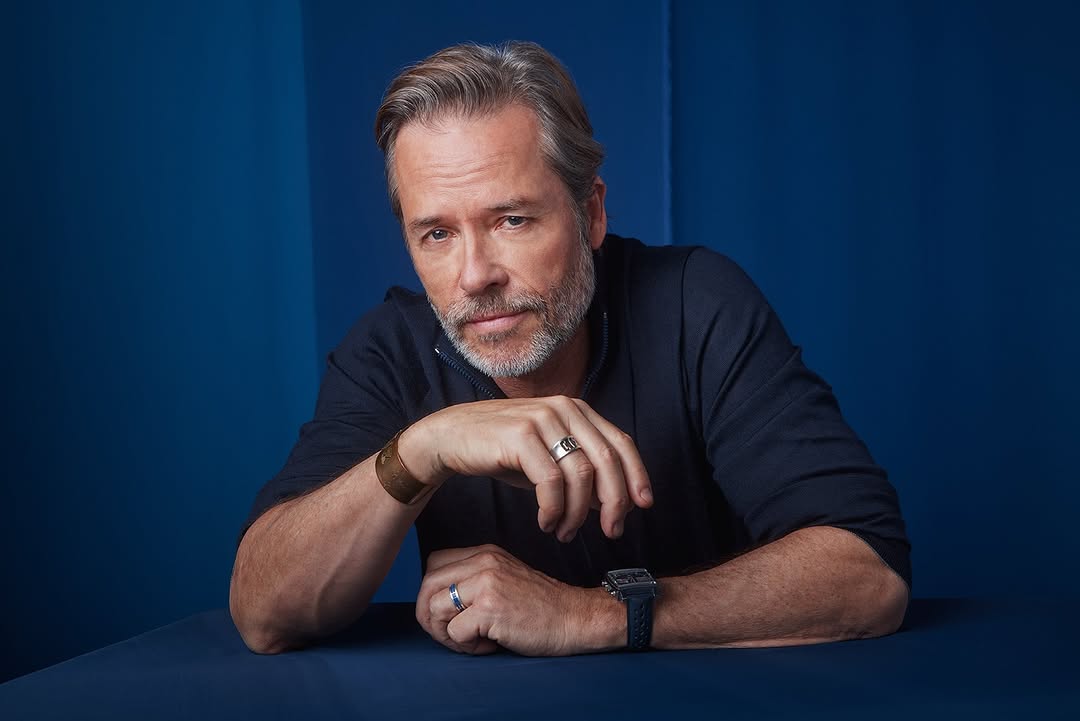
When Guy Pearce issued his recent apology after backlash over social media posts labeled anti-Semitic, it felt familiar. Another celebrity, another controversy, another carefully worded statement released only when the public turned up the heat. These apologies rarely feel like spontaneous moments of reflection. Instead, they read like the predictable final step in a cycle that starts with a personal belief being shared online and ends with a professional brand demanding it be retracted.
The truth many people avoid saying out loud is simple: celebrities apologize because they are told they’ve crossed a line, not because they suddenly realize they were wrong. When a celebrity posts something, shares it, likes it, or comments on it, there is usually some level of belief or agreement attached. These are not accidental uploads or random thoughts. They are expressions of what that person felt or thought in that moment. The apology comes later when the world reacts badly.
Celebrities Mean It When They Hit “Post”
There is a strange misconception that somehow celebrities accidentally reveal their opinions. They don’t. Hitting “post” requires intention. It requires a process. They read the words, they feel the emotion, and they decide it is worth sharing — whether that’s from conviction, frustration, or impulsive certainty. When the public response is positive, they stand by it. When the public response is negative, they backtrack. That is the pattern we have grown used to.
What makes this cycle obvious is the timing. Rarely does a celebrity apologize before anyone notices. The apology only appears after social media erupts, after headlines appear, and after their management quietly explains how much backlash could cost them. It is not the belief that changes. It is the pressure around the belief.
The Public Now Dictates How Celebrities Feel in Hindsight
In today’s media landscape, the public doesn’t just react to celebrities; it governs them. The audience decides what is offensive, what is acceptable, and what crosses the line, and the celebrity’s moral stance adjusts accordingly. When you look at the apologies that roll out after a backlash, they often carry the same vague, PR-friendly phrases that sound more like reputation management than remorse.
The formula has become so standardized that it’s almost comical. A celebrity posts something controversial, the internet erupts, and suddenly the person who doubled down in the comments hours earlier is releasing a heartfelt statement about reflection, learning, growth, and intention. The shift is rarely rooted in personal revelation. It’s driven by public reaction.
Apologies That Protect Careers, Not Conscience
Most celebrity apologies would not exist without consequences. A negative wave on social media can ripple into brand partnerships, film roles, contracts, and public image. That’s when apologies begin to materialize. Not during the internal doubt or moral questioning phase — but when things start to look professionally risky.
Celebrities live in a world where reputation is currency. The apology becomes a strategic tool, a PR necessity, a way to repair the market value of their name. Whether or not it reflects genuine personal growth is another conversation entirely. Many apologies read like they were written by a crisis consultant rather than the celebrity themselves, designed to soften the blow, calm the backlash, and move on as quickly as possible.
Social Media Shows Us Who They Are Before Their PR Team Cleans It Up
Before social media, celebrities were protected by layers of publicists and handlers. Opinions were filtered, interviews were edited, and controversy could be managed long before it reached the public. Now, the world gets unfiltered access. A celebrity posting from their phone at midnight can reveal more about their worldview than any magazine profile ever could — and that honesty often comes with consequences.
The apology that follows isn’t just about regret. It is about renegotiating the space between who they actually are and who the public wants them to be. Social media collapses that distance, and the apology attempts to stretch it back out again.
The Cycle Isn’t Going Anywhere
Celebrities are unlikely to stop posting, and the public is unlikely to stop reacting. Both sides fuel the cycle. Controversial celebrity opinions generate attention. Public outrage generates pressure. Apologies soothe the controversy long enough for life to move on. But the underlying belief doesn’t disappear simply because a Notes-app statement claims it has.
The truth is uncomplicated: if a celebrity shares something, they probably agreed with it. Maybe deeply, maybe momentarily, maybe impulsively. But they meant it. The apology is the performance layered on top of the belief.
The Real Question: Are These Apologies Meaningful or Just Mandatory?
We all understand that the public image of a celebrity is part of their livelihood. So when an apology is released only after the backlash grows too large to ignore, it doesn’t feel like growth. It feels like self-preservation. Maybe social media didn’t make celebrities more controversial; it simply made their real thoughts visible long before a PR filter could soften the edges.
We can keep debating sincerity, but one thing is clear: apologies will continue as long as the consequences demand them. And as long as the public keeps policing celebrity behavior, those apologies will follow the same predictable script.