




Some people spontaneously always choose the same seat on the train, during a family meal, in a restaurant, in a meeting room at work. This choice, often unconscious, is fraught with meaning according to our clinical psychologist.
“Here is my place.” This sentence particularly characterizes you? Or one of your loved ones? It is not trivial, according to psychologists. In a meeting room, on the train, or at the family table, some people intuitively always choose the same place. And for them, there is no question of changing it. Is it a simple habit or a deeper psychological and behavioral mechanism? According to our clinical psychologist Aline Nativel Id Hammou, there is nothing pathological in this behavior, however it is full of meaning.
The choice of a place is often unconscious and mainly linked to a basic need, according to psychology. It may be a need for security, landmarks and/or comfort. It reflects both a desire to be comfortable as an individual and the need to feel part of a group, a space, an environment. The person operates a rapid “cognitive and emotional mechanism” to choose the place that best suits them. For example, in a waiting room or on a train, she may choose a seat near the window for more comfort or far from a door to feel more secure.
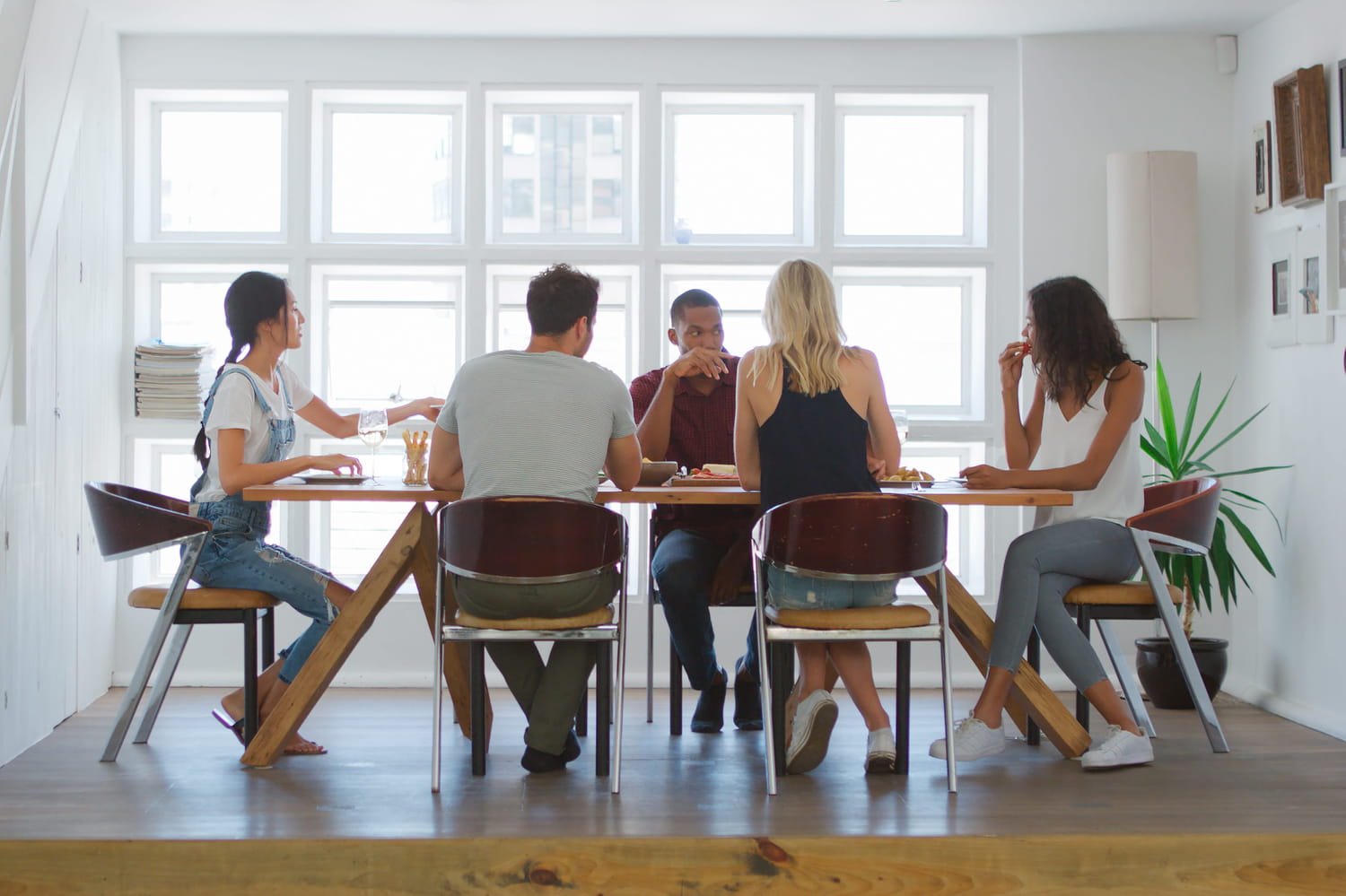
The family context is, by far, the one where the ritual of the place is the most emotionally charged. “The assigned or usual places are often codified and ritualized. The expression “This is where I belong” is common and if this place is taken, frustration, anger or sadness can be high“, specifies our expert. For good reason, within the family, the choice of seat echoes deeper and more intimate things: a feeling of respect, consideration, and the emotional history of the individual. A change or non-respect can be much more poorly experienced, because it touches on the domain of emotions and affection. Thus, in psychology, the fact of always wanting to sit in the same place and having a hard time changing it can be interpreted as a lack of emotional and affective security.
In professional or educational contexts, the choice of place often takes on a strategic dimension. Sitting in a specific place may mean wanting to be recognized in one’s place or status within the group. “For example, position yourself next to a favorite colleague to strengthen ties, or near the supervisor to affirm your commitment. Again, this investment strategy is not always conscious. Conversely, schools sometimes use seat variation as a tool to encourage fairness and group dynamics, motivating students to interact with those to whom they speak least. In these environments, the frustration linked to an unwanted position can be more easily overcome“, says the psychologist.
So, should we fight against this habit? Not necessarily according to the psychologist. If the place you want is available and it makes you feel good, there is no reason not to take it, because it meets a need for alignment and reassurance. On the other hand, life imposes constraints. It is essential to develop your ability to adapt and know how to manage frustration when you have no choice. Sometimes an unwanted change of place can even be a positive opportunity to “break out of routine habits” And “to open your chakras to other people and situations“.