




Preventing cognitive decline requires specific nutritional intake. Including peanuts regularly in your diet could help preserve memory and support brain health as you age.
Preserving cognitive functions and maintaining excellent memory is a fundamental health objective after age 60. Beyond regular intellectual stimulation, scientific research highlights the importance of targeted nutrition for the protection of neurons and overall health. But what to eat to protect your brain from aging? According to new scientific studies, we should focus on oilseeds. One in particular: peanuts. Rich in active compounds, it improves cerebrovascular function and thus combats age-related cognitive decline.
Researchers have measured the impact of this oilseed on brain health. They followed 31 men and women aged 60 to 75, in perfect health. For 16 weeks, part of the group included a daily dose of peanuts in their diet, while the other served as a control. To validate the effects, the participants underwent neuropsychological tests and MRIs to observe the blood supply to the heart of the gray matter. The scientists’ conclusion is clear: “Daily consumption of roasted peanuts with their skins improved cerebrovascular function in elderly men and women.”
According to their observations, eating peanuts increased cerebral blood flow by 3.6% and gray matter blood flow by 4.5%. As Dr. Peter Joris, lead author of the study, explains: “Cerebral blood flow is an important physiological marker of cerebrovascular function. It corresponds to the quantity of blood that irrigates the brain, providing it with oxygen and essential nutrients”. This better irrigation translates into a more efficient verbal memory.
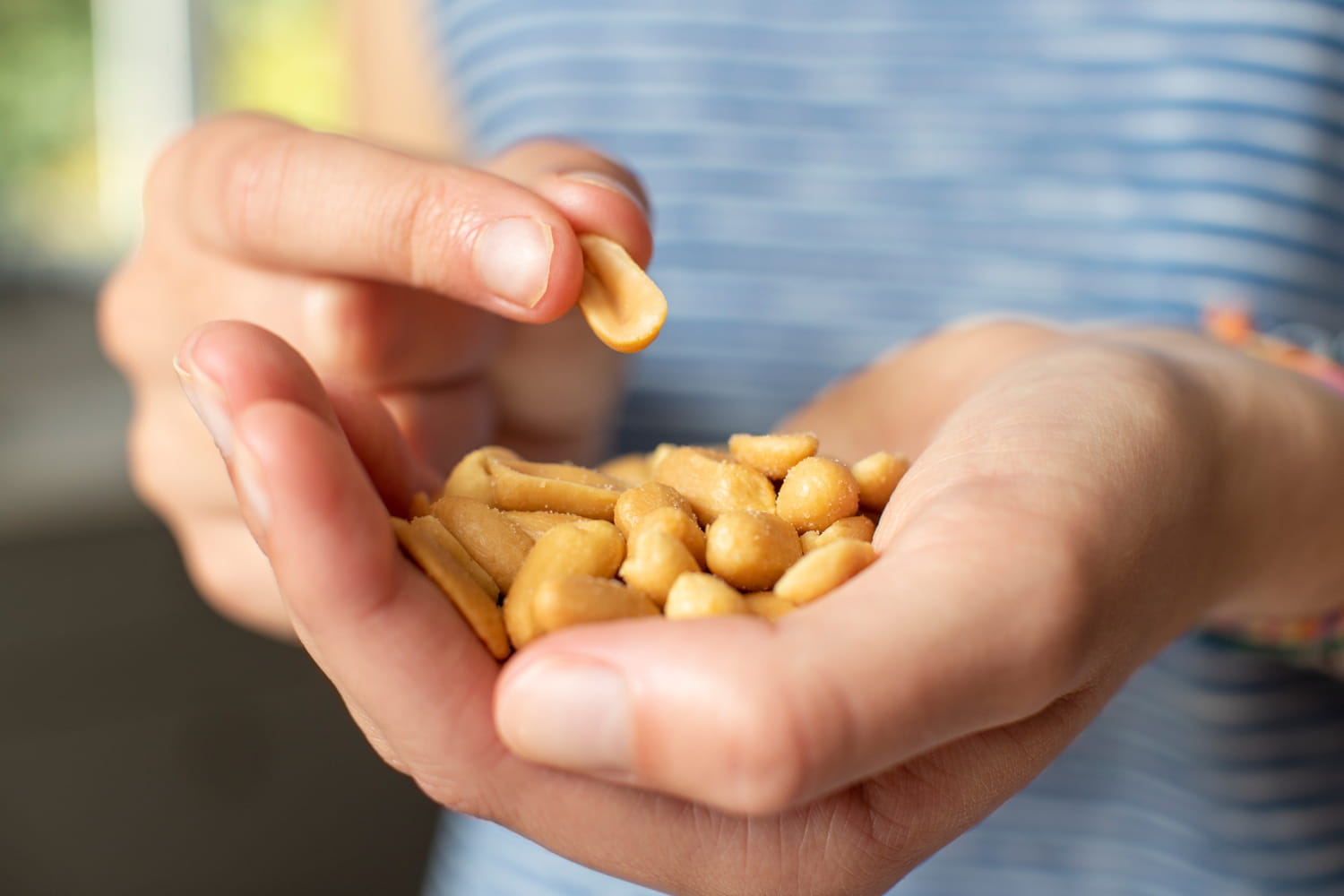
Concretely, the peanut eaters had an ability to remember words improved by almost 6%. As a bonus, the researchers noted a drop in blood pressure in them, which further contributes to good circulatory health. The authors confirm that “increased peanut consumption positively influences cognitive performance”. According to results published in the journal Clinical Nutrition, you would need to consume 60 grams per day to observe such benefits. This corresponds to approximately 80 peanuts or two handfuls.
Scientists advise choosing dry-roasted peanuts, unsalted and with their skins. It’s the detail that changes everything: the thin red film of the peanut is full of polyphenols and fibers which, coupled with the L-arginine of the seed, would form the protective cocktail for the brain. Easy to integrate into daily life, peanuts therefore constitute an effective prevention lever for cognitive health. Not to be forgotten at the next snack…