





In a time marked by increasingly frequent conflicts and increasing international tensions, the Italian Bishops launch a clear and urgent appeal: the defense of a country cannot transform into an arms race. In their Pastoral Note, entitled “Educating for an unarmed and disarming peace”, the Italian Episcopal Conference invites everyone to reflect on the true meaning of protection, security and civil responsibility.
“The rule of peace needs, to survive and perpetuate itself, a global daily exercise that crosses periods of history and generations… a commitment that touches many dimensions of personal and social life.”
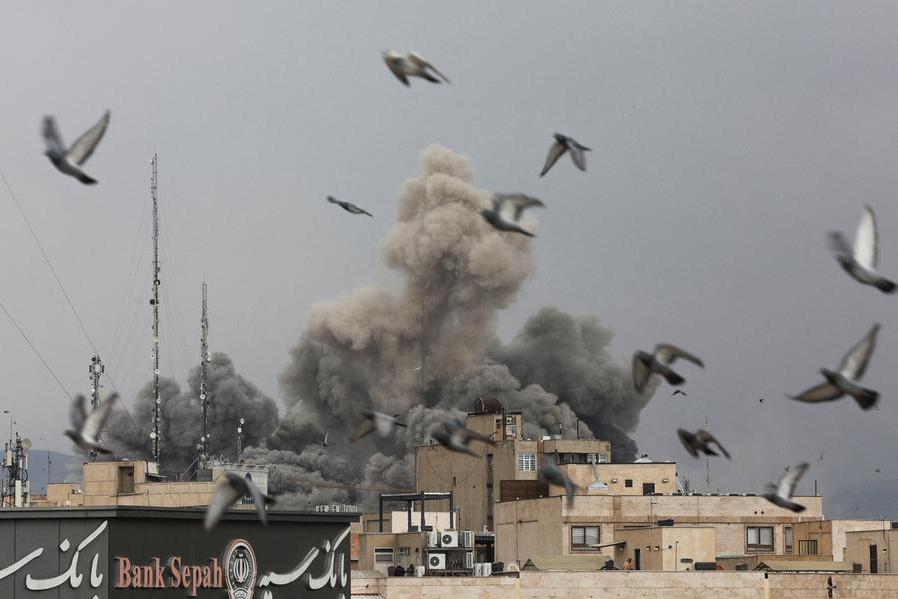
The Pastors remember that war always leaves deep wounds: it is not just about broken lives or destroyed territories, but about moral and social damage that compromises communities and the future of young people. Building peace, they underline, requires “daily commitment, courage, capacity for dialogue and responsible choices on the part of everyone”.
The Note directly addresses the issue of national defense: protecting one’s country is a legitimate right, but it cannot become a pretext to fuel fear or increase the production of weapons.
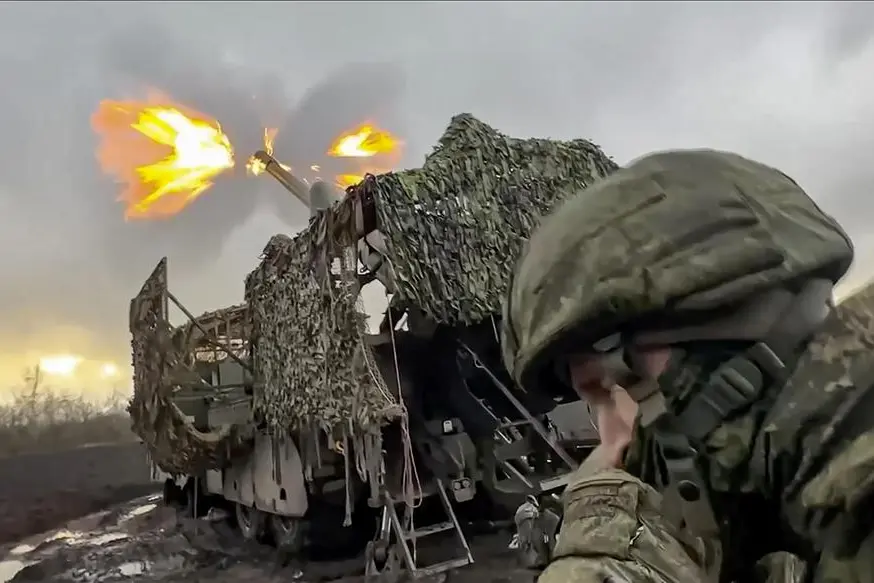
Russian soldiers in Ukraine
(EPA)
“Those proposals for heavy investments in armaments and military technologies… are contradictory to a horizon of harmony and concord.”
For the CEI, investing in security must not mean enriching the economy of war, but enhancing every action that promotes brotherhood, reconciliation and peace.
The Bishops remind us that peace is not a utopia: it is a school to be learned every day. “Educating for peace means taking on the responsibility of not fueling the logic of war, but promoting brotherhood, reconciliation, hope.” Every citizen, every community, every institution is called to become a laboratory of coexistence, respect and justice, where daily choices contribute to building a more humane and supportive world.
In particular, the Pastors underline the importance of investing not only in military security, but also in educational, social and cultural security. True protection, they explain, comes through training, social justice and the promotion of the common good, rather than through the logic of deterrence or the accumulation of weapons.
The Note addresses its message to everyone, believers and non-believers: peace is not a privilege for a few, but a common good, a collective commitment. The Bishops warn against the risk of a society that measures security only through military force:
“The level of conflict between the great powers of the planet has increased, even raising the risk of nuclear escalation.”
For this reason, every political, economic or personal decision must also be evaluated in light of the moral conscience and the future of the new generations. Peace, the Pastors explain, is built in daily gestures, in relationships, in the ability to dialogue, listen and welcome others.
In a time of instability, fear and divisions, the Bishops’ message sounds like a strong and clear call: let’s stop considering weapons as a solution and let’s learn to build bridges, not walls. The defense of the homeland finds its deepest meaning not in the strength of arms, but in the ability to protect the life, dignity and freedom of all.
“Peace is never a given, it must be built every day. It is a commitment that concerns each of us, from daily life to social and political choices, up to the care of brotherhood and justice.”