


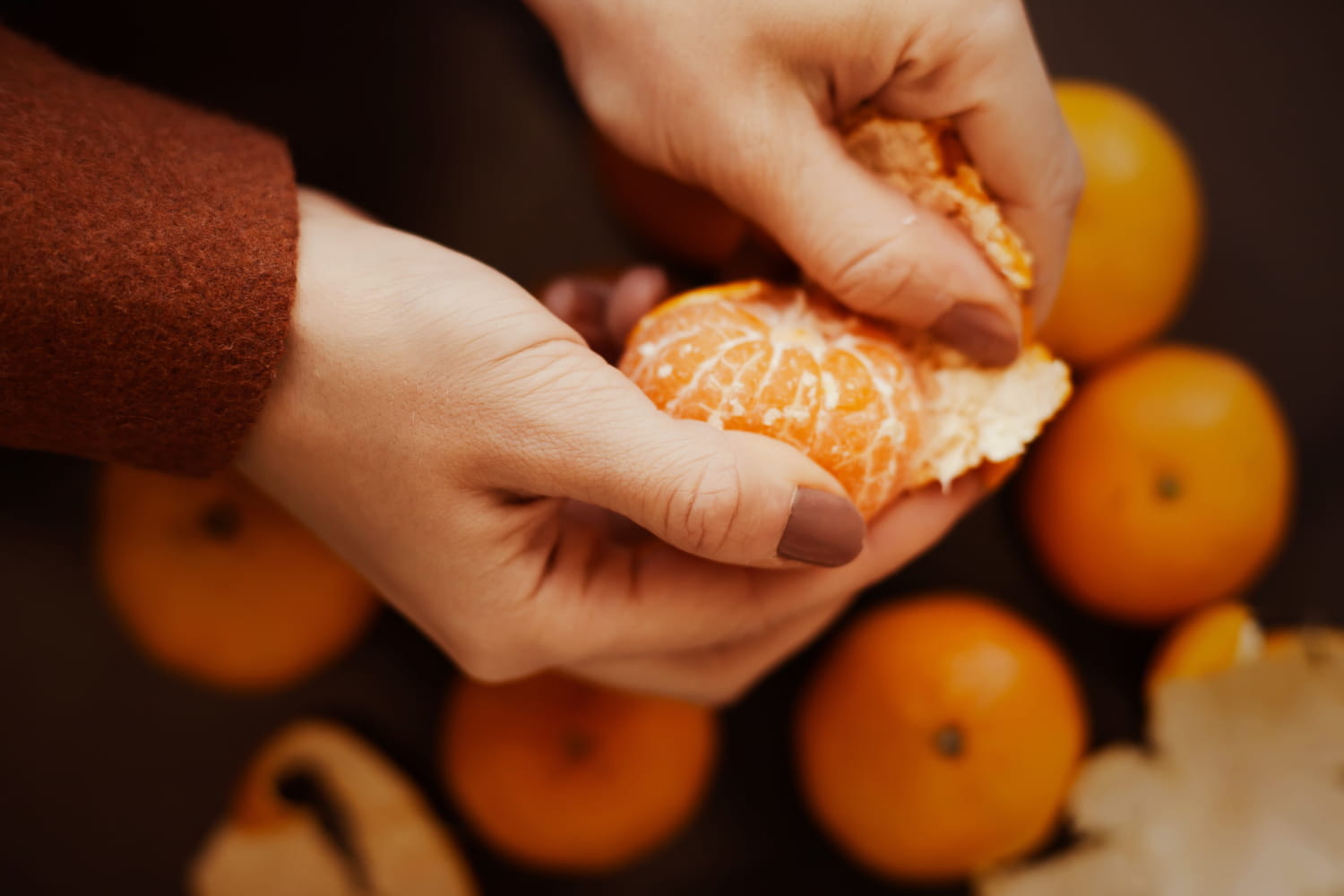



A single clementine covers around 40% of the daily vitamin C needs but it is sweet…
It’s the return of the clementine. Easy to peel and transport, these small, juicy and tangy fruits are known for their nutritional qualities. They are particularly full of polyphenols, valuable antioxidants to strengthen our immunity to the cold. “This is not their only advantage: clementines are low in calories and high in water, making them ideal for meals and snacks. They are best known for their vitamin C content: a single clementine covers around 40% of the daily requirement of vitamin C, essential for the health of cells, skin and the immune system.“, explains dietician-nutritionist Elysia Cartlidge.
Good news: there is no problem eating it every day, confirms the expert on the media Parade. That said, like all foods, eating too much of it can be bad: “If you eat a large number of clementines during the day, it can lead to digestive upset due to their fiber content, as well as weight gain, because clementines remain sweet (each clementine contains about 7 grams of natural sugar) and blood sugar levels spike.“, continues the dietitian. Clementine is also an acidic fruit, it can erode dental enamel and “contribute to heartburn and esophageal irritation.”
To enjoy all the benefits without the drawbacks, nutrition experts agree on moderate consumption: no more than 3 clementines per day. The ideal is to eat them as a snack, for example, in the afternoon, to avoid reaching for less healthy products or for dessert. After a meal containing fiber, protein or fat, sugars are absorbed more slowly. It is even recommended not to eat fruits in isolation (alone), but to combine them with a dairy product or another food that slows down the absorption of carbohydrates.
Eating, for example, 4 clementines per day amounts to ingesting nearly 30 grams of sugar. Even though it is of natural origin, this sugar is metabolized mainly by the liver. If fructose intake becomes too high (which can happen with excess fruit, juice or sugary products), the liver can be overloaded and transform the excess fructose into fats (triglycerides). In the long term, excessive fructose intake (even from fruit) can potentially contribute to non-alcoholic fatty liver disease (NASH) in predisposed individuals.
As a general rule, from a nutritional point of view, all varieties of clementines (from Corsica, Nules, Hernandina…) are good for health. Choose a clementine that is firm, heavy for its size (a sign that it is juicy) and that smells good. If you are taking certain medications, including statins (cholesterol), it is advisable to seek the advice of your doctor, as clementines could interact in the same way as grapefruit.