
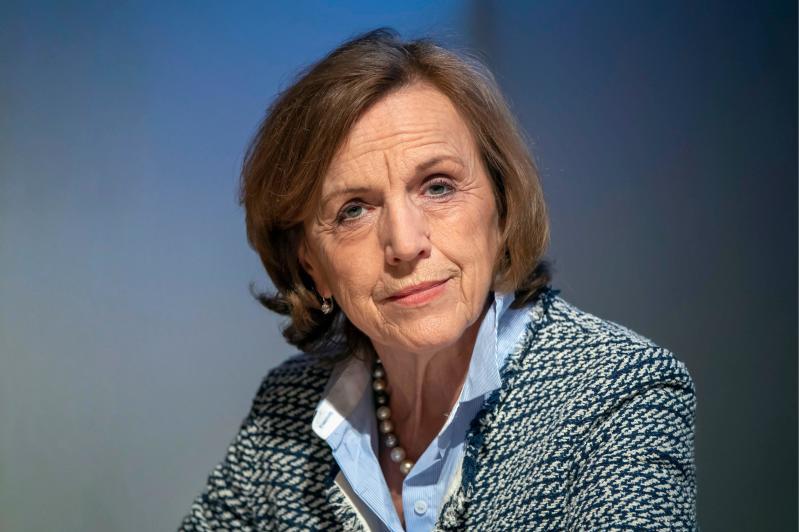



«I would not define these measures as a reform. There are adjustments that on the one hand worsen the chances of retirement and on the other give pensioners a little more in terms of returning purchasing power.” Since she is no longer Minister of Labor and Social Policies of the Monti Government, the economist Elsa Fornero is removing a lot of pebbles from her shoe
They have had to cancel the Fornero reform since 2012 and instead it is still there, in fact they have tightened it.
«This doesn’t surprise me. The 2026 Budget Law is the definitive seal on the impossibility of going back on my reform for demographic and economic reasons. If wages don’t grow and we are last in Europe in terms of employment, where do we get the money to increase pension spending and restore early retirements?”.
His reform also plans to increase the retirement age in relation to the increase in life expectancy.
«Certainly: if people live longer the retirement age must also be increased, it’s a logical principle. If Istat certifies that we are living longer, INPS and the Government will take note unless it involves demanding or particularly demanding work. This is also a principle that restores a bit of equity between generations.”
As Minister of Labor he had raised the retirement age but had envisaged a series of measures to exit the world of work early.
«The early retirement established by our reform has remained. However, the various quotas that added the years of contributions to the age introduced by subsequent governments have disappeared: quotas 100, 102, 103 etc. The fact is that there are few resources and spending them to anticipate retirement from work was very unwise.”
Was it really not possible to keep them?
«It was a way to increase pension spending compared to our reform. It was a way of saying: we can’t cancel the Fornero reform but we’ll give you a chance to leave early. The problem is that pensions today are calculated with a generous formula which for those who worked before a certain period gives more than what has been paid in terms of contributions. People have understood that if they are in good health and have a good job it is better for them to stay in work until they reach their old age pension. I know many people happy with this choice. Then it is clear that the public system must help unfortunate people, who perhaps have health or family problems.”
Journalists keep their salary calculations even until 2017.
«You journalists are a category that has many differentiations between senior and junior. The former have a generous pension, the latter a precarious life, poorly paid and at the same time with a pension that will be much less generous. When injustices are done in the past, correcting them is very difficult. A solidarity contribution has been introduced. The fact that high pensions are not indexed is another way for a small correction to the injustice, along with increasing the tax rate. But the central problem remains another.”
And which one?
«When we talk about pensions we can’t help but talk about the population. When will there be a shortage of workers who pay the contributions that INPS will make? It is demographics that conditions the pension system. Faced with the birth crisis, we have a very adverse future for the pension system: it is not known whether in 20 years we will be able to pay social security checks. The real problem is to safeguard the younger generations, not to give something to current pensioners, except of course those who have real difficulties. And the young generations protect themselves not by promising them retirement in 40 years but by providing them with good job opportunities. It’s the work that earns the pension, not the promises of politicians. So we must, for example, invest in education (we have the lowest graduate rate in Europe). Stopping the increase in the pension age for even two months is very cynical behavior towards young people, while writing a law that promises them guarantees for the future is a promise written in the sand.”