




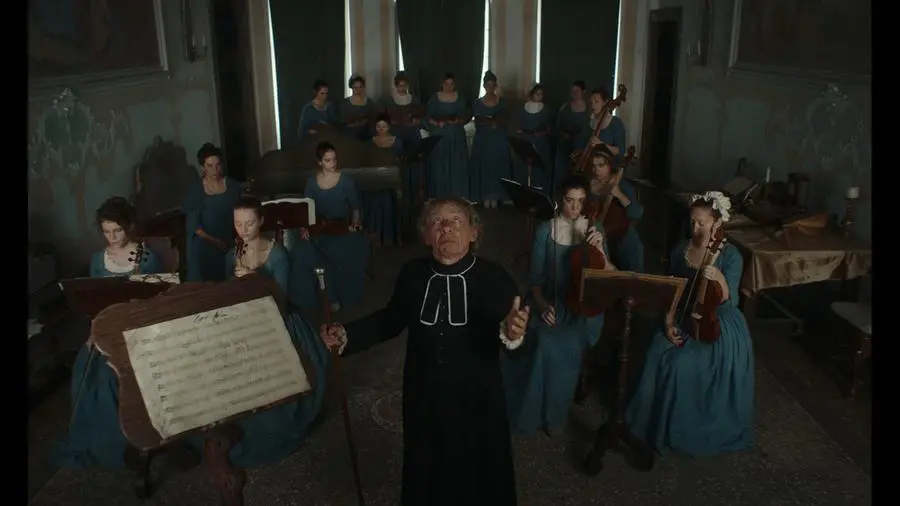
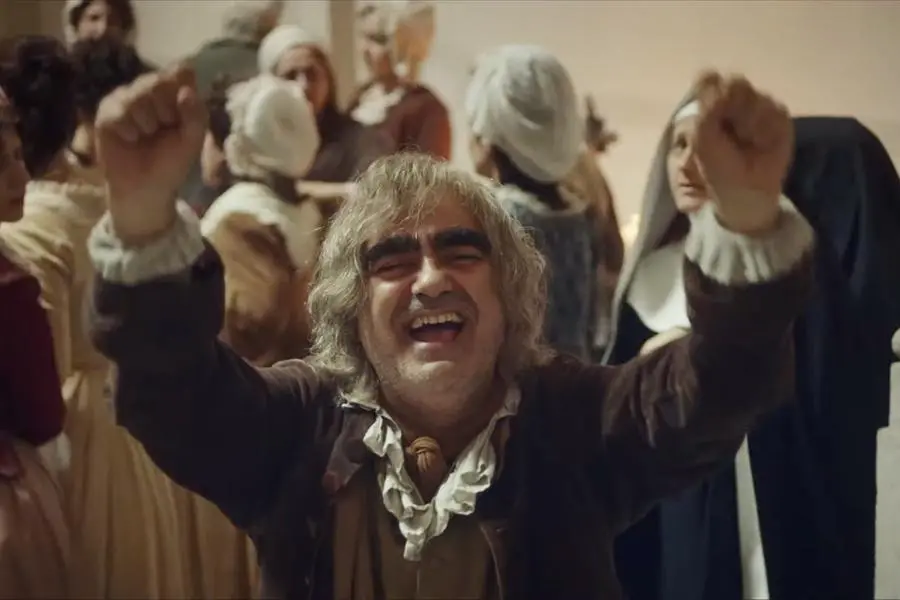
There are directors who hit the mark on their first film. It happened to Margherita Vicario with Glory!a musical film sui generis which convinced both critics and the public, where it talks about women’s rights, breaking patterns, the disruptive force of creativity, violence and sisterhood, all with a story that, despite starting from historical facts, reinvents them in an original and creative way, and even with some concessions to the grotesque (in particular in the figure of the lascivious and hysterical maestro Perlina, played by Paolo Rossi), it has the tones of a fairy tale that celebrates the redemption of female figures forced into subordinate roles.
The plot
In the Veneto of the 19th century, Teresa, a mute maid in a female musical institute, she discovers a piano and starts playing it with other girls, effectively creating music that is completely different from the canons of the time and more similar to modern music. While the school prepares for the concert on the occasion of the visit of Pope Pius VII, the director Perlina, in a crisis of inspiration, is unable to compose a piece, but refuses to perform the one composed by his most talented student, Lucia, who after a disappointment in love attempts suicide. When Perlina sells the piano to pay off a young lover’s debts, Teresa confronts him and demands that the instrument and Lucia’s music be returned. The concert will be the occasion for a revolt by the girls, which will cause a scandal…

The true story behind the film
In the 18th century in Venice, young girls welcomed into orphanages received a musical education and performed in church during various religious occasions to music by chapel masters and famous composers. The so-called “whores of mercy” performed separated by grates that prevented them from any contact, even visual, with the public. The audience itself could not comment or applaud their performances. For more than a century they were the flagship of the Serenissima, cited by great music admirers both in Vienna and London. In particular, their collaboration with Antonio Vivaldi and the violinist Anna Marfia, first described in the book, is well known Stabat mater by Tiziano Scarpa (Strega Prize), e on which the film was based Spring with Michele Riondino and Tecla Insolia, currently in theaters. Another book about the story was released in 2023, halfway between a novel and a historical essay, entitled Lucietta. Vivaldi organist (Sellerio), Federico Maria Sardelli. Glory! splace the story at the beginning of the 19th century.
The prizes
Margherita Vicario, who until this film had worked in entertainment as a singer, musician and actress, wrote the soundtrack of Glory!, which won the Nastro d’argento in 2024, while in 2025 he won the David di Donatello for best composer, and one of the pieces, Air!was awarded Best Original Song.
Always at the Davids Margherita Vicari won as best debut director. And perhaps the most prestigious recognition is the jury prize at the Seattle International Film Festival (.
Who is Margherita Vicario
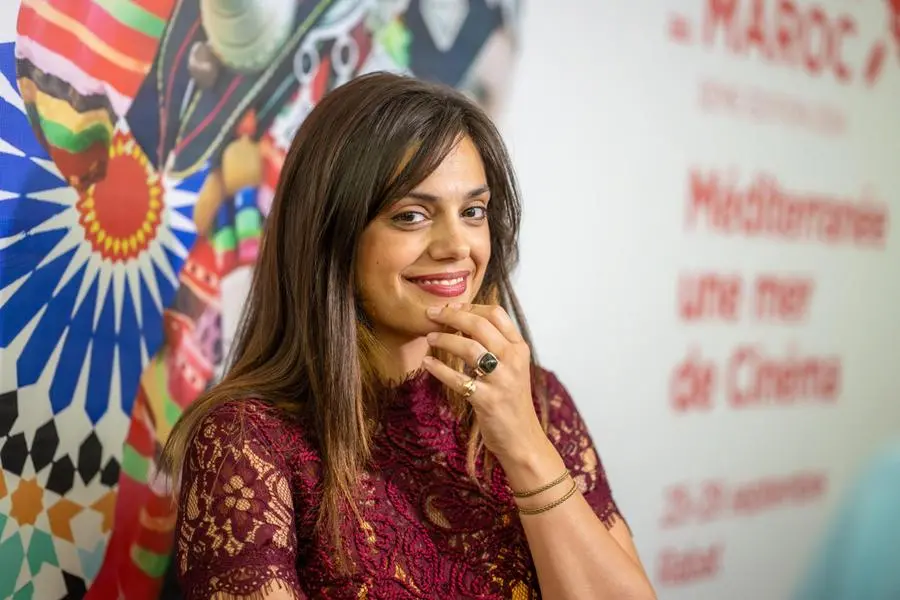
Margherita Vicario (born in Rome in 1988) is a multifaceted artist: Italian actress, singer-songwriter and director. Daughter of art (her father is the director Francesco Vicario, while his paternal grandparents were the actor and director Marco Vicario and the actress Rossana Podestà)began her career in entertainment as an actress, appearing in films and TV series (from The Cesaroni to Black in half), including a role in the film To Rome with Love by Woody Allen.
At the same time she established herself as a singer and songwriter: she debuted with the single Please note in 2013 and released his first album Minimal Musicals in 2014 his second album, Bingo (2021), he consolidated his fame in the Italian pop/indie scene with several singles and collaborations with artists such as Rancore, Elodie and Francesca Michielin.
In 2022 he participated in the Sanremo Festival in the evening of the covers singing Be My Baby of the Ronettes with La Representative di Lista, Cosmo and Ginevra.