





63% of motorists admit to insulting other drivers while driving. Psychologist Vincent Joly explains to us the real reason for these rude words on the road.
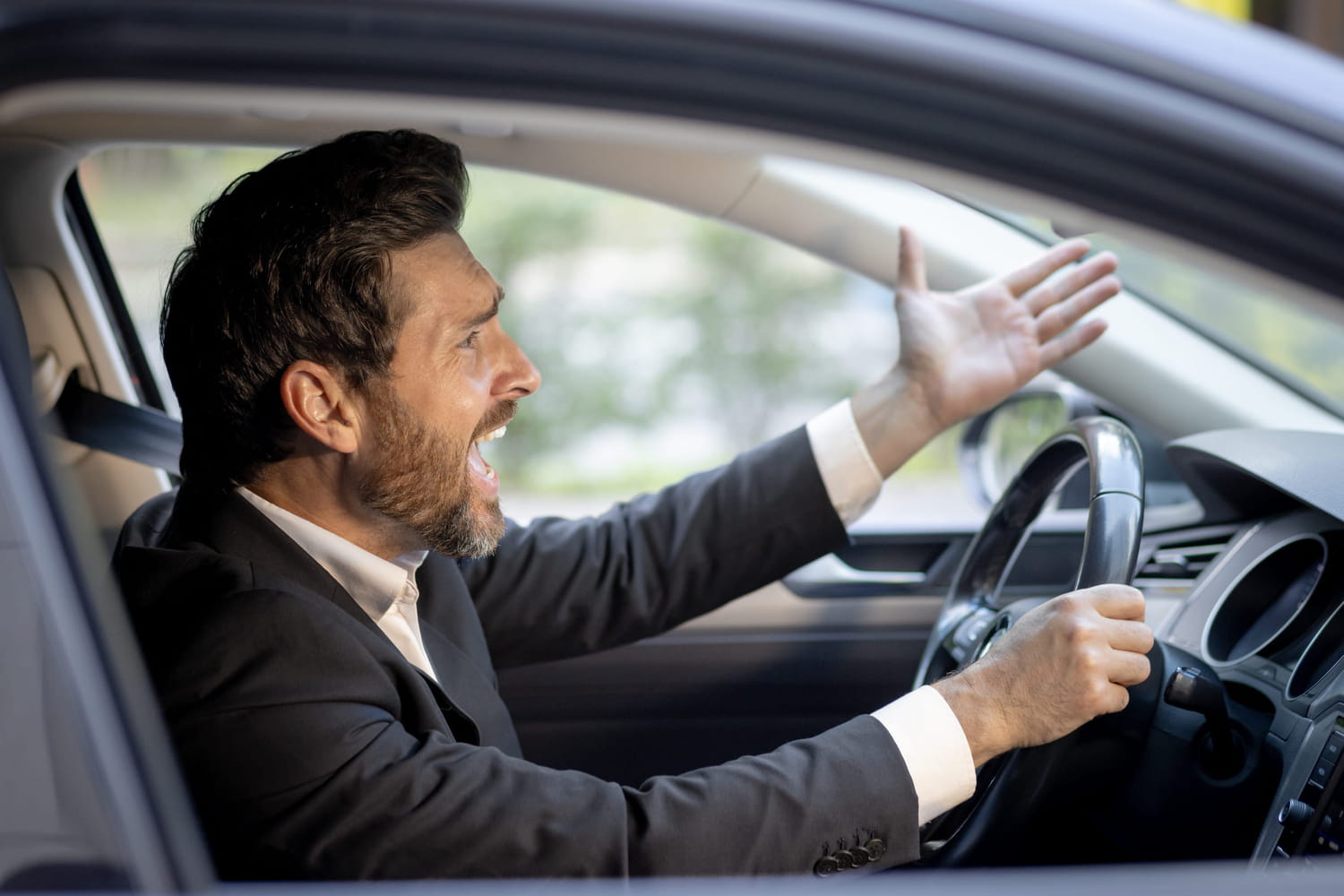
We all experienced the scene. A car brakes too suddenly, fishtails, creates traffic jams, a scooter weaves, a motorist changes lanes without warning by activating his indicator… And suddenly, the insults start flying. According to a study published by the VINCI Autoroutes Foundation, 63% of drivers admit to having insulted another motorist, 54% said they honked their horn unintentionally and 30% hit the car in front when they think it is not moving fast enough. However, in daily life, these same people are often calm, polite, measured. So why does steering wheel turn almost everyone into a rude driver?
Of course, we must take into account the fact that cars isolate us from the outside world and allow us to vent verbally without fearing the consequences or entering into conflict with others: “we’re going to get angry without it being communication, it’s a bubble that will unload us, we can shout very loudly without being afraid that the other will come and see us”recalls psychologist Vincent Joly. It’s actually quite similar to what you can find in comments on the Internet or when you criticize a person in front of their television screen, he adds. But, itContrary to popular belief, the most violent drivers behind the wheel are not only so because they have a nervous temperament in everyday life. According to Vincent Joly, “this is not the first factor, there are external causes that we tend to forget“, he explains to us.
If most motorists get angry and insult each other on the road, it is above all because “the task is difficult to perform, anxiety-provoking and dangerous, which requires attention“. To avoid any drama, we have no room for error. It is therefore the fear of causing an accident which causes this irritation according to the psychologist, much more than temperament. Moreover, “the more stressful the situation, the more angry we will become”especially when a delivery person is in a hurry and must respect a deadline. Some passengers can sometimes lose their temper due to not having control of the vehicle (because they do not feel confident) while a child, conversely, will not be concerned about their parents’ driving. In addition, a passenger in a taxi will be much more relaxed, even if there are traffic jams or bad drivers, quite simply “because it is not us who have to carry out the task, we are less afraid”, specifies the specialist.
For Vincent Joly, this already high tension is today amplified by an additional factor: “as driving is complicated, using the telephone increases the complexity of driving and increases the stress behind the wheel. It’s even harder, and we risk even more getting angry”, he underlines. The more attention is demanded, the more the fear of error grows, and the more easily anger arises. It is therefore not a question of temporary bad mood or poorly controlled character, but rather the direct consequence of an increasingly demanding driving environment, where stress leaves little room for calm.