




It causes very sharp stings, similar to electric shocks. Researchers are monitoring it closely. How to recognize it? What to do in case of bites? Advice from scientists.
It is classified among the 100 worst invasive species in the world according to the database managed by the IUCN/ISSG. However, we do not yet know it well in France. But it won’t be long… Small, discreet, almost invisible, it is capable of causing intense pain, sometimes severe allergic reactions. For several years, this insect native to South America has worried health authorities and scientists. Its sting is known to be particularly aggressive, with a brutal burning sensation. The problem is that this insect does not just bite: it colonizes and progresses quickly. And France is no longer spared.
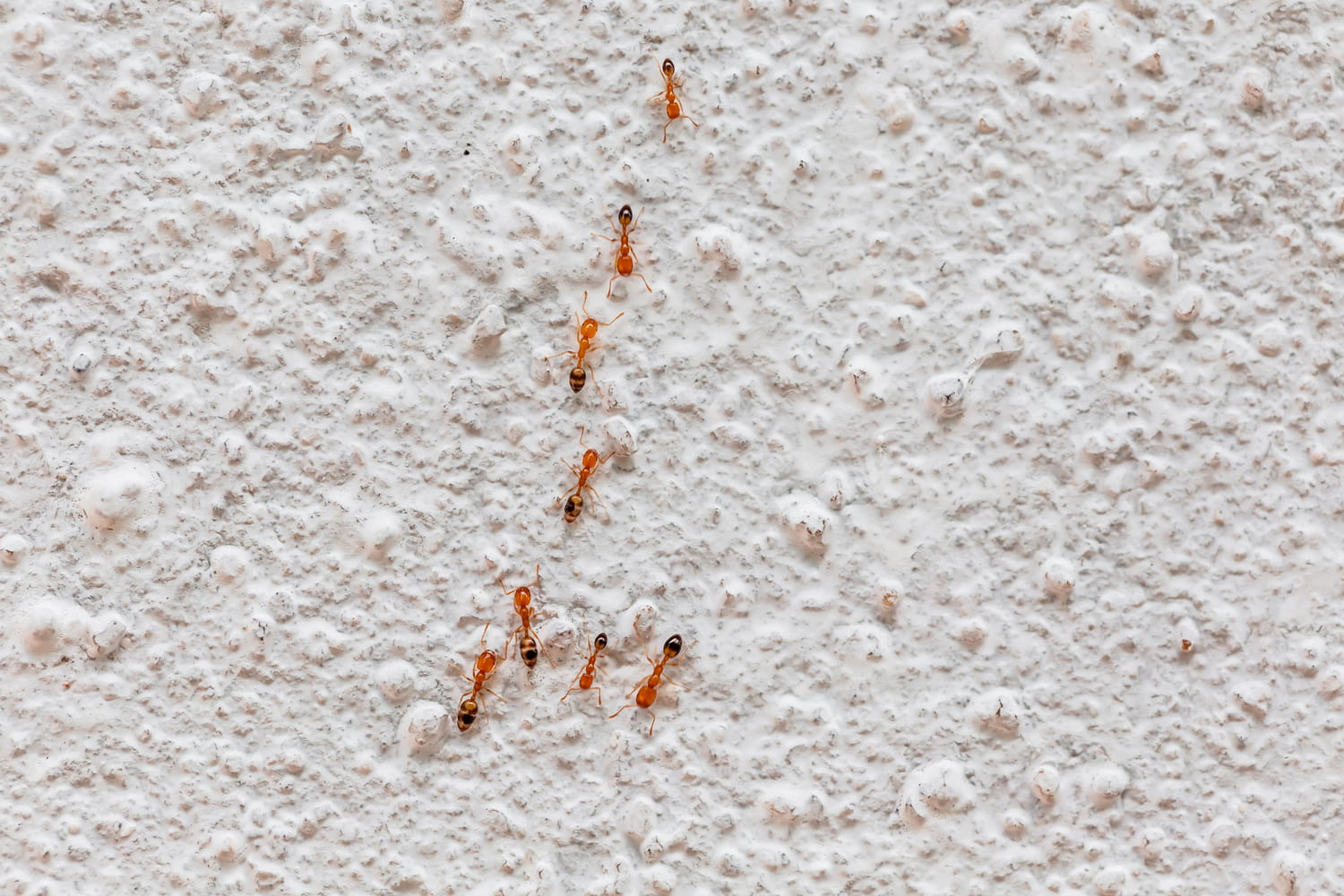
This insect is the “electric ant” or “fire ant”, from its scientific name “Wasmannia auropunctata”. It was recently identified in metropolitan France in the Var. To recognize it, it’s simple: this ant is brown or orange and measures 1.5 to 4 millimeters (for the queens). Its sting causes sharp pain, often described as an electric shock, itching, blisters and sometimes severe allergic reactions, up to anaphylactic shock according to medical literature. It is also dangerous for domestic animals which it can make blind.
Specialists classify this ant among the invasive exotic species in the world because it is capable of forming very dense colonies and multiplying rapidly, which makes its eradication complex. The more it goes unnoticed, the more it gains ground. This is why its recent appearance on French territory has triggered increased vigilance.
Scientists are trying to understand how it arrives and how it circulates. A study carried out by INRAE researchers in 2025 retraced the recent history of the fire ant invasion in Southern Europe using massive genetic analyzes (more than 6,000 individuals, 521 colonies, more than 20 countries). Result: Europe receives the electric ant by two routes. A “long distance” introduction from northeastern Argentina (climate close to that of southern Europe) and secondary introductions from a population already established in Israel, in the Mediterranean. The study also confirms a key point: in these new areas, the ant can reproduce clonally, a powerful fuel for the installation.
In France, its introduction would be linked to the transport of plants and horticultural materials, a classic scenario for this type of species. The authorities are banking on rapid detection to avoid lasting establishment. Because once installed, the electric ant is very difficult to eliminate. For the general public, the message from the health authorities is clear. If you are stung: wash, disinfect, apply cold and monitor progress. If signs of severe allergy appear (breathing difficulty, malaise, swelling of the face or throat, generalized hives), call the Samu (15) without delay.