





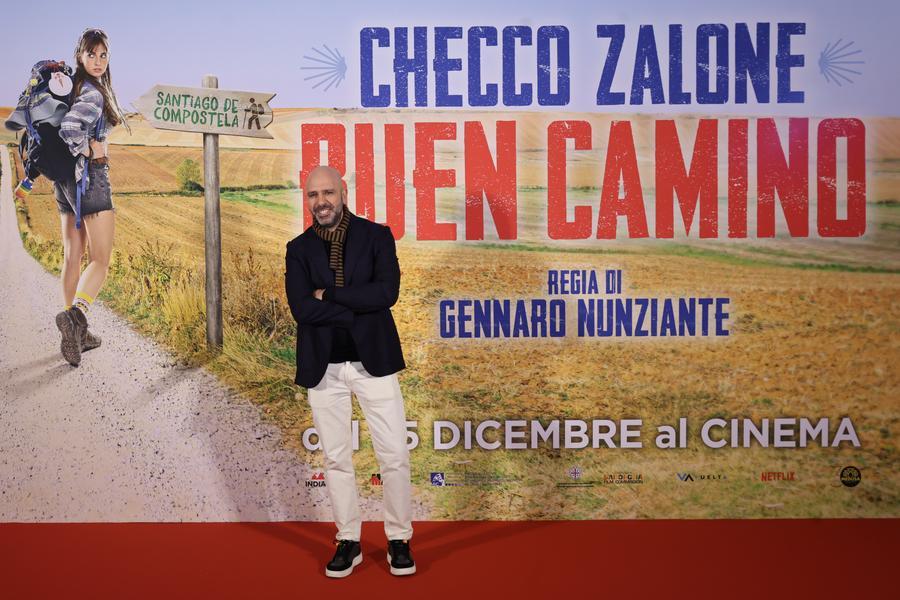
The film that marked the return of the award-winning Zalone-Nunziante company, co-written by the two historic collaborators, was an unprecedented success, breaking all their box office records achieved with “Quo I go”. “Good Camino” it’s not just a blockbuster, having exceeded 70.9 million euros and officially beating the historical record of Avatar in Italyit is also in the hearts of the spectators who continue to fill the cinema halls, causing their revenues to rise, to the joy of Marco Cohen, Benedetto Habib, Fabrizio Donvito and Daniel Campos Pavoncelli for Indiana Production and Medusa Filmwhich distributed the film in collaboration with Netflix after an investment of approximately 28 million euros.
But what lies behind the success of this film? Why was it so much more successful than “Tolo Tolo” (Zalone’s previous work)?
According to Alessia, 24 years old, the latest work of the Apulian comedian received this success because: «The way in which he ironically told a common story is very beautiful: the relationship between a father, whose certain attitudes are exasperated, and a daughter who tries to detach herself to live her own experiences, trying to escape from materialism». Lucrezia, who nevertheless «made a lot of laughs, but I don’t consider it among Checco’s best. In my opinion the main reason is that he deviates a bit from his classic character; we don’t see the usual ‘average Italian’ that we are used to in other films and, moving away from the origins, he loses a bit of that typical flavor of his previous works».
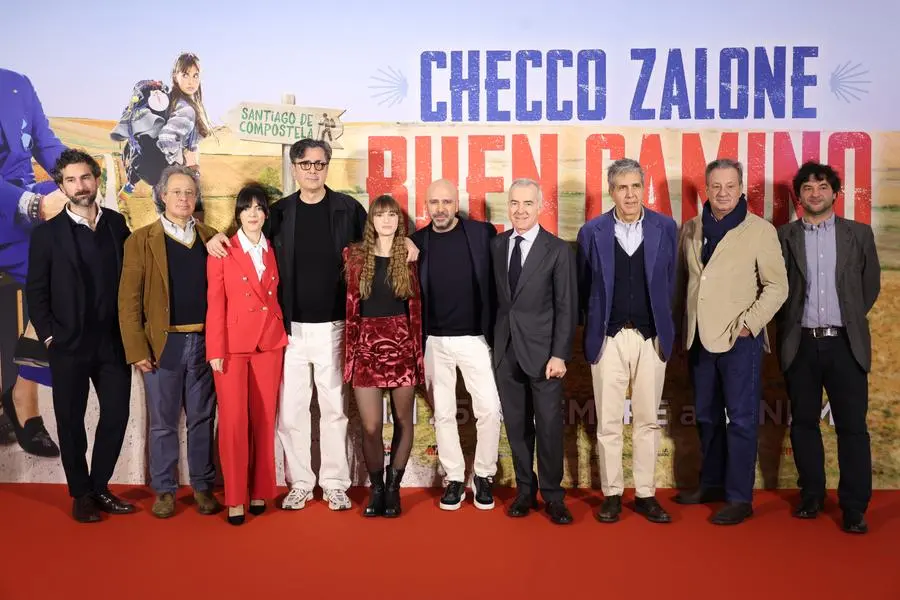
According to the two students «we think that the theaters are full both because Zalone’s films are a guarantee, and because people always hope to rediscover that comedy that has accompanied Italian families for years. Unlike “Tolo Tolo”which personally hadn’t convinced us and which we hadn’t heard great things about, this film benefited from strong positive word of mouth. Even though there was a fear that the change in style might disappoint, hearing so many enthusiastic opinions pushed us to go to the cinema to get our own idea. Finally, the Spanish setting is interesting: playing with Italian clichés inserted in the spiritual context of the Camino de Santiago, making fun of that whole aspect and enriching everything with a soundtrack curated by Zalone himself, was an effective idea.”