




The SNCF has discreetly launched a “no kids” offer in its TGV inOui. An assumed choice which excludes children and their parents, and which divides. Back to the controversy.
A child crying, watching a video on loop, playing while making a little too much noise… Unfortunately, many travelers can no longer tolerate the presence of children during their journey. However, it is completely natural for little ones to need to let off steam after long hours spent sitting in their seat, but this behavior is rarely to the taste of the neighbors in the car, especially those who are not parents. According to a recent Odoxa survey, 76% of French people say they are indeed “annoyed” When “children make a noise, cry or throw a tantrum” around them.
This is why the “no kids” phenomenon is growing more and more, particularly in the hotel industry, transport or even sometimes in catering. Thus, these “adults only” areas are developing more and more, to the great dismay of the High Commissioner for Children, Sarah El Haïry, who wants to ban them to create a more inclusive society for parents and their children. An initiative that is struggling to be put in place, because this time, it is “the SNCF, a public company, supposed to support families, which decided to sideline them” denounces Stéphanie d’Esclaibes, host of the podcast Les Adultes de Demain, in a post published on LinkedIn.
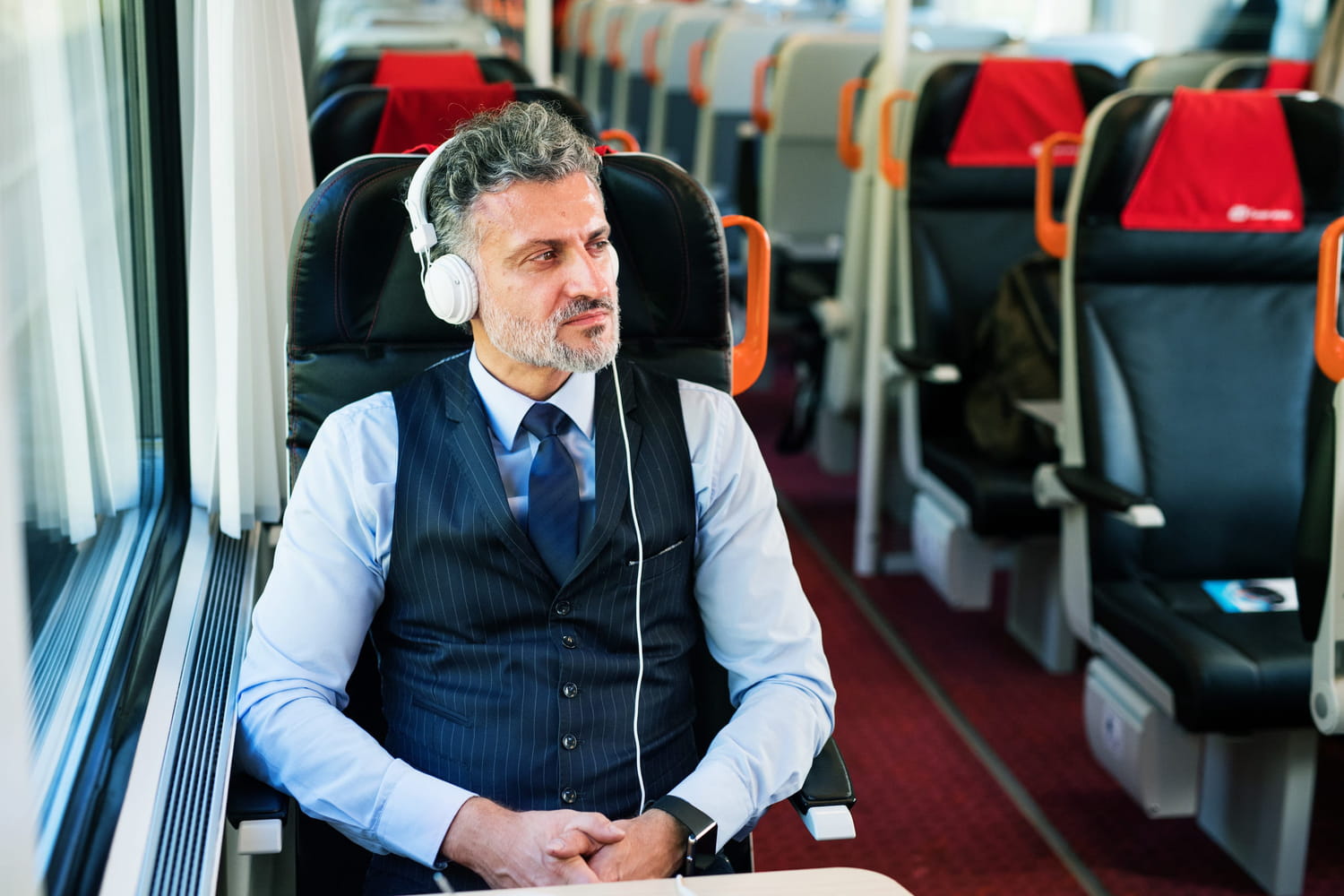
Since January 8, replacing Business Première, the French railway company has launched the “Optimum” and “Optimum Plus” classes: the first is available on many trains departing from or arriving in Paris and throughout France, while the second is offered on Paris-Lyon routes. And so that these places can “guarantee maximum comfort on board, children are not accepted“, quite simply, as the SNCF indicated in its promotional emails. Only those over 12 years old can board this wagon. “The SNCF prefers to follow this dangerous “no kid” trend. Dedicate spaces to the silence of adults and relegate childhood to the margins. And in doing so, the adults who accompany them” protests Stéphanie d’Esclaibes, who suggests “change your outlook”and also to create wagons entirely designed for children, as is the case in Finland for example.
Because at the moment, wagons intended for families are not exclusively intended for families. “In the intercity areas, there is a “Kids” wagon but it is not reserved only for children… Other passengers leave their suitcases in the space provided for children to play, teenagers sit in the changing areas...” testifies an Internet user. Finally, if the initiative is talked about on social networks, the SNCF reminds “that it is a very limited space, half a car on the TGV INOUI from Monday to Friday exclusively” and that this represents “less than 10 % of seats on a TGV”. Moreover, the company specifies that “This is nothing new.”since that was already the case “for years on the previous Business Première offer”. In a press release, the SNCF reacted to the controversy by deploring a “marketing clumsiness and removed any reference to the accessibility of young people to Optimum wagons. However, the company maintains its decision and the conditions of sale therefore remain unchanged.
Behind this measure, a whole vision of the place of childhood in the public space is emerging. For the SNCF, it is above all a question of offering an additional option to part of its customers, mainly professional travelers, without calling into question the access of families to other carriages. For others, on the other hand, this decision contributes to a gradual sidelining of children, perceived as a nuisance rather than as passengers in their own right. A debate which goes far beyond the framework of the train, and which questions the model of society that we wish to build: a society which adapts to children, or which prefers to keep them at a distance.