


How MrBeast lost control of his own burger brand
When Jimmy Donaldson described watching his own brand unravel, he did so in unusually candid terms.
Speaking to Business Insiderthe YouTuber known as MrBeast reflected on the reputational damage and personal toll of MrBeast Burger, a delivery-only venture that expanded rapidly before becoming mired in legal disputes.
In a 2023 deposition, revealed during an ongoing legal dispute, the YouTuber known as MrBeast said that criticism of MrBeast Burger — a delivery-only food brand launched at breakneck speed — left him “getting destroyed online” and “chronically depressed”.
The comments marked a turning point in what was once one of the most ambitious attempts to translate internet fame into a physical consumer business.
Donaldson is now locked in litigation with Virtual Dining Concepts (VDC), the operator behind MrBeast Burger, over a partnership that expanded to more than 1,000 locations worldwide before collapsing under the weight of quality complaints and internal disputes.
Growth without oversight
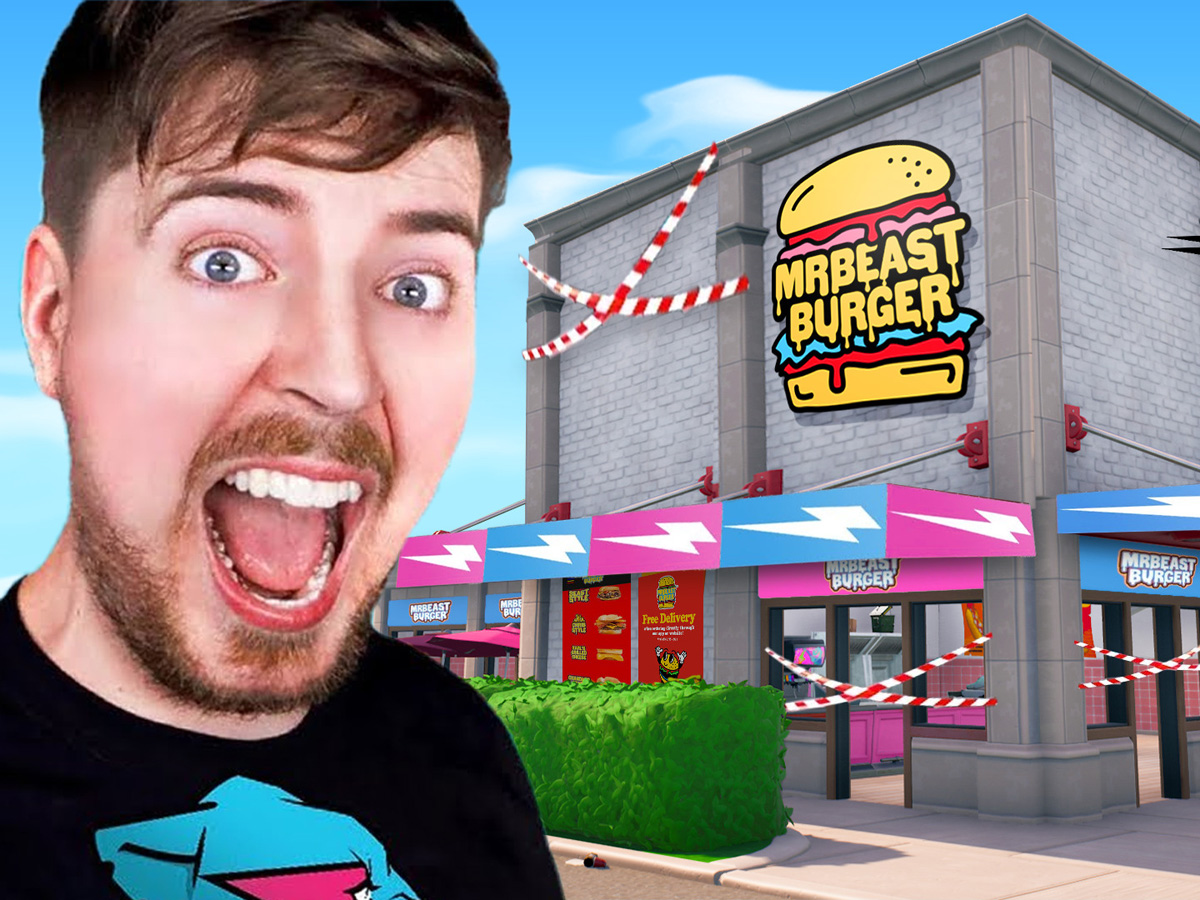
MrBeast Burger launched in 2020 as a delivery-only brand, expanding rapidly to more than 2,000 virtual locations globally by partnering with existing restaurant kitchens rather than employing its own staff.
Unlike traditional restaurant chains, MrBeast Burger had no central kitchens. Its rapid expansion relied on a network of independent operators — ranging from convenience stores to local restaurants — preparing the same menu under license.
The model allowed the brand to scale almost overnight. It also meant that Donaldson, whose reputation was central to his appeal, had little direct oversight of how the food was made.
For customers, the distinction was academic. When meals arrived cold or poorly prepared, the criticism was aimed not at an unseen ghost kitchen, but at the name on the packaging.
Over time, the mismatch between responsibility and control became harder to ignore. The scale that once defined the venture began to amplify its weaknesses, with inconsistent execution playing out publicly across social media.
A partnership breaks down
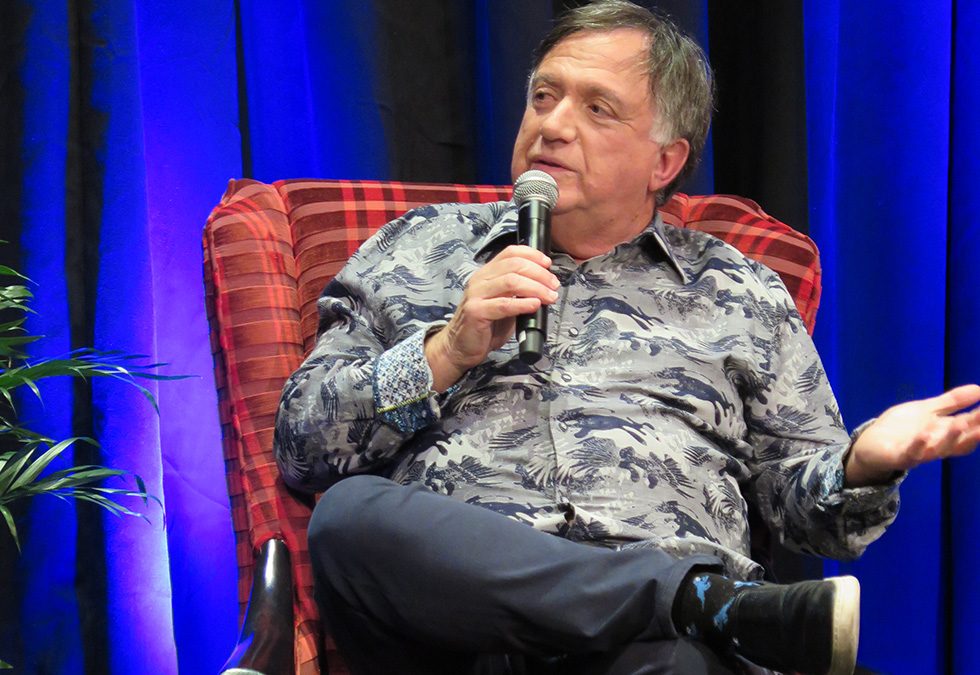
Robert Earl, co-founder of Virtual Dining Concepts, speaking at the Food On Demand Conference in Las Vegas in 2021, where he acknowledged the company was unprepared for the rapid scale of MrBeast Burger’s launch.
The dispute between Donaldson and VDC founder Robert Earl has since spilled into court filings and public statements, exposing a fundamental disagreement about accountability.
VDC has argued that Donaldson’s public criticism of the brand — including social media posts questioning food quality — damaged consumer confidence and contributed to a decline in revenue. According to figures cited in the dispute, sales fell from $64m in 2022 to around $45m in 2023.
Donaldson, for his part, has said he raised concerns privately long before going public, and that the structure of the deal left him bearing the reputational consequences of decisions he did not control.
The clash highlights a growing tension in creator-led businesses: fame can drive demand, but it can also magnify failure when standards slip.
A strategic retreat
Since stepping back from MrBeast Burger, Donaldson has redirected his focus toward Feastablesa consumer goods business where he retains greater equity and operational oversight.
Unlike a decentralized delivery model, packaged products offer consistency and fewer points of failure — an approach that reflects lessons learned from the burger brand’s decline.
The shift mirrors a broader recalibration among high-profile creators, many of whom are moving away from passive licensing arrangements in favor of building in-house teams and infrastructure. Donaldson’s own operation now employs hundreds of staff in North Carolina, signaling a preference for tighter control over execution.
Reputational risk, exposed
Court documents have revealed private messages in which Donaldson expressed detachment from the future of MrBeast Burger while he remained unable to influence its quality. “As long as I have no control, I couldn’t care less about it,” he wrote.
For an industry built on personal trust and audience loyalty, the episode has resonated beyond a single brand. It illustrates how quickly scale can turn against creators when their names are attached to experiences they cannot directly manage.
MrBeast Burger may have begun as a bold experiment in virtual dining. Its unravelling has instead offered a quieter, more enduring lesson: in businesses where identity and reputation are inseparable, control is not a luxury — it is the foundation.
What it didn’t cost him — and what it did
The dispute has not threatened Donaldson’s wider business empire. Through YouTube advertising, brand partnerships and ventures such as Feastables, he remains one of the most commercially successful creators in the world.
But the MrBeast Burger episode exposed a different kind of vulnerability. For a brand built on trust and consistency, reputational damage proved harder to absorb than financial loss. Unlike a video that can be deleted or re-edited, a poorly executed physical product lingers — shared, reviewed and replayed far beyond its point of origin.
Donaldson has since concentrated on ventures where he retains tighter operational control, moving away from decentralized models that leave execution in the hands of others. The shift reflects a recalibration rather than a retreat: fewer experiments, greater oversight, and a clearer line between his name and the products attached to it.
For a creator whose success has been defined by precision and scale, the lesson appears to have been an expensive one — even if it was not a ruinous one.