




Inflation, bills, growing children… A major retailer offers a simple solution to renew your wardrobe at a lower cost.
In a tense economic context, every expense counts. With inflation putting a lasting strain on household budgets, renewing your wardrobe is often relegated to the background. Between energy bills, daily shopping and unforeseen expenses, it’s difficult to find enough money to buy new clothes, even when the needs are very real. Result: we push back, we repair, we make it last… until the moment when it becomes impossible to do otherwise.
Faced with this reality, some brands have decided to act. For several years, fashion brands like H&M or Kiabi have already been offering to return old clothes to stores for benefits, often in the form of discount vouchers. A way to encourage recycling while helping customers consume differently. But this movement no longer only concerns specialized brands: hypermarkets are getting involved in their turn, with accessible devices designed for everyday life.
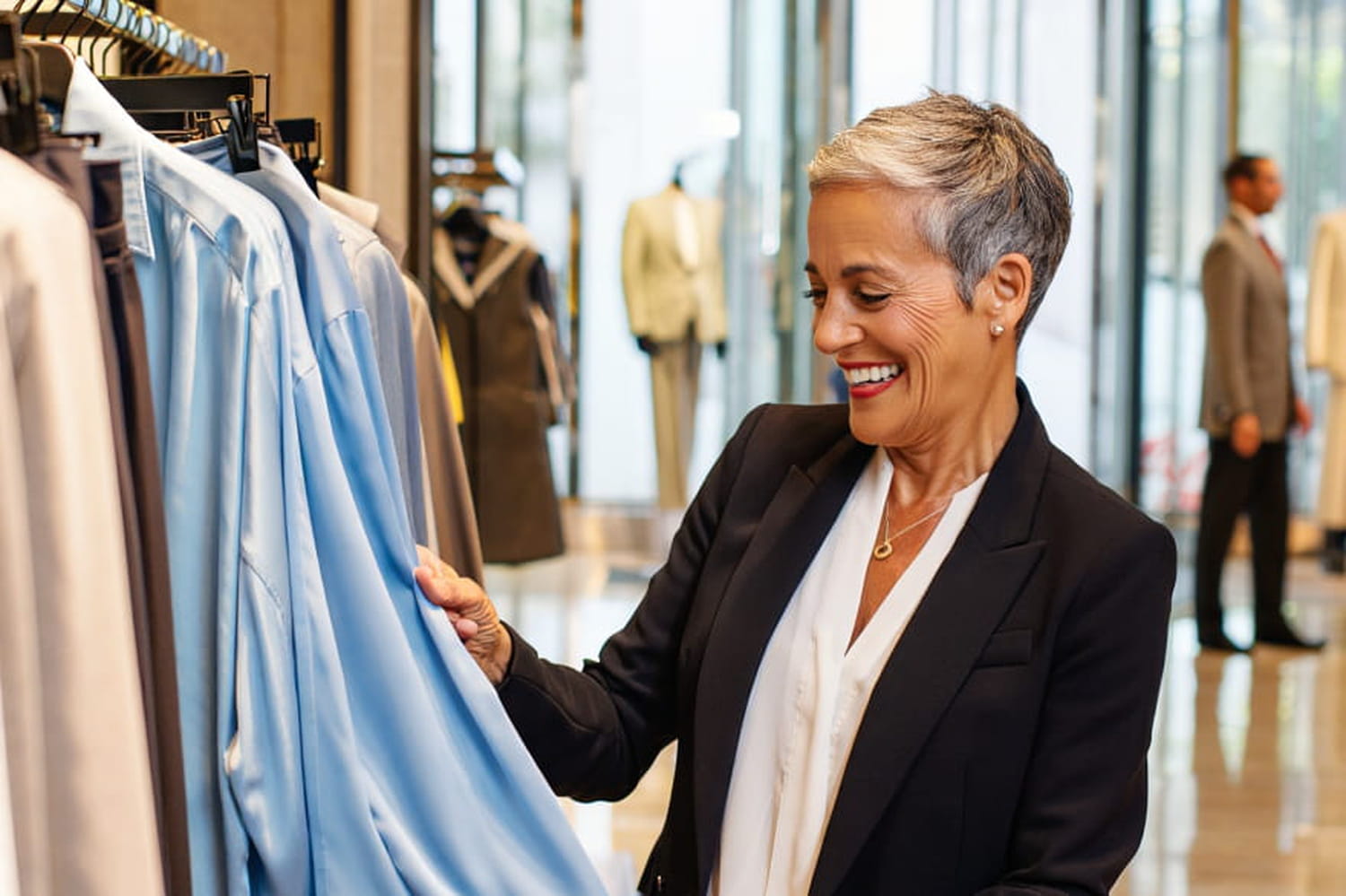
This is particularly the case of Auchan, which has set up a system for taking back used clothing in exchange for a 5 euro voucher. To carry out this operation, the brand relies on the Once Again program, specializing in the collection, sorting and recycling of textiles. Concretely, all you have to do is drop off your old clothes at a dedicated collection point in store. All textiles are accepted, whatever their condition, provided they are clean and dry.
Once collected, the clothes follow several routes. Those that are still in good condition are reused and put back into circulation, while parts that are too damaged are recycled to create new textile fibers. In exchange for this gesture, customers receive a voucher of 5 euros, usable in the clothing department according to the conditions specified in store. A real boost when you need to renew the wardrobe of rapidly growing children, replace worn out pants or simply buy a pair of tights to face the winter without going over your budget.
Beyond the financial advantage, this initiative also responds to an ecological emergency. Textiles are one of the most polluting sectors, and giving your clothes a second life helps limit waste. Sorting out your cupboards, reducing your expenses and adopting a responsible approach: a winning combination that is attracting more and more consumers, looking for concrete solutions to consume better, without depriving themselves.