




«The selection is very rapid, no one understands what is happening. According to documents kept in the archive of the Auschwitz–Birkenau Museum, that day 234 people passed through, 692 were sent to the gas chamber. Among them is Elena.”
That day was the April 10, 1944 and Elena was a girl of just ten years old: he would have turned eleven on June 5, 1944. His name was Elena Colombowas born in Turin and hers is a unique story in the Italian Shoah, as Fabrizio Rondolino explains in his book Elena. Story of Elena Colombo, a lonely child in the Shoah (Giuntina).
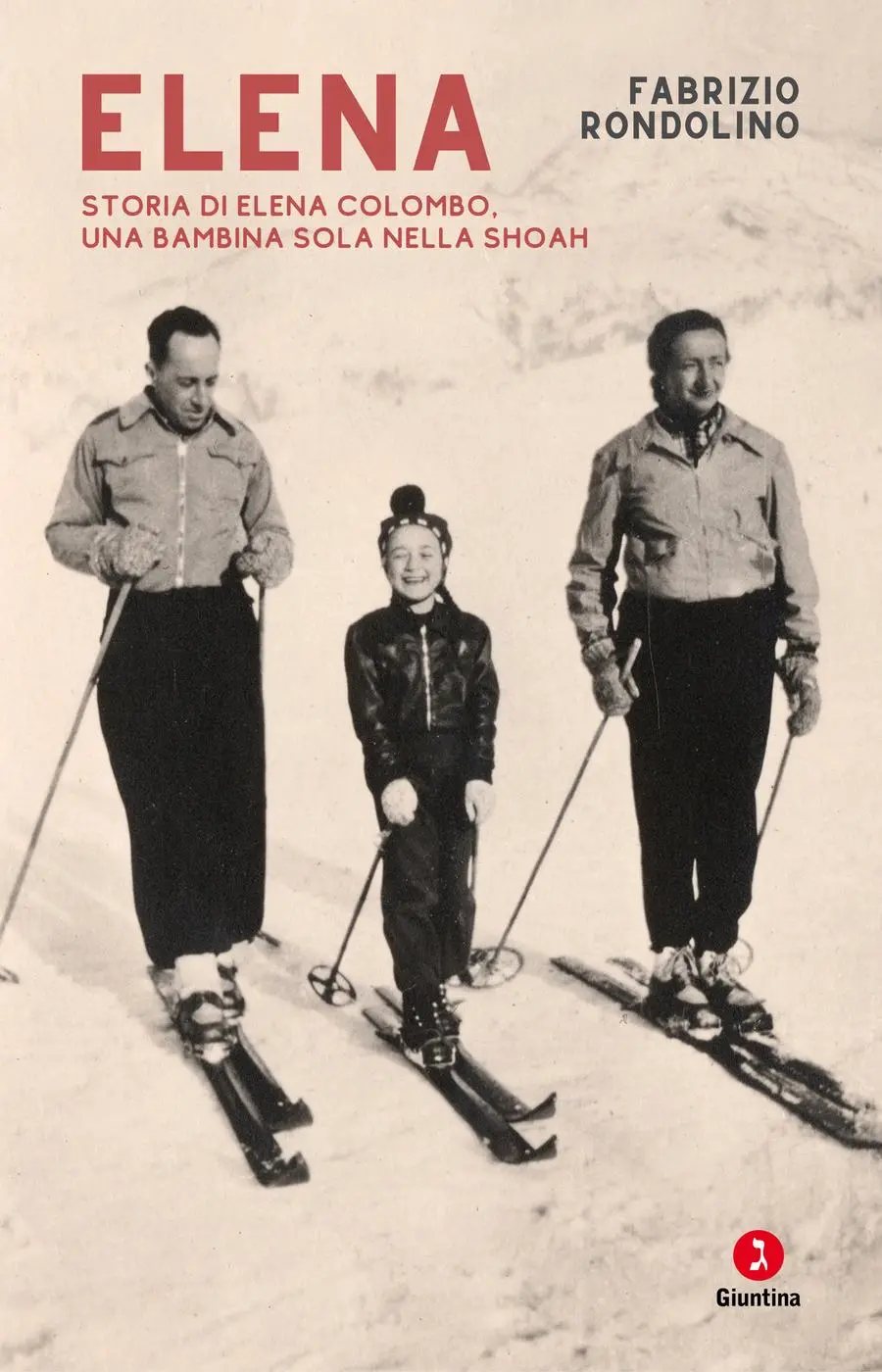
A story that begins on December 9, 1943 with the arrest of the Colombo family Forno Canavese (Turin) where she had taken refuge following 8 September and the ruthless hunt for Jews carried out by the Nazis and fascists. But while the parents, Sandro and Wanda, are immediately transferred to prison in Turin, Elena is entrusted by the SS to a family of friends, the De Munaris.
«An almost unique case in the history of Italian deportation – underlines Rondolino – the families were in fact always arrested and deported en bloc, from grandparents to newborns. Something incredible happened that day in Turin. Elena separates from her parents, convinced that she will see them again soon, Sandro and Wanda say goodbye to her, convinced that they have saved her.”
But the fate will be very different: the parents were in fact sent to Auschwitz where they arrived on 6 February 1944. Wanda is among the almost three hundred women who, loaded onto trucks, are immediately taken to the gas chambers of Birkenau. Sandro, however, died on 25 March 1944, fifty days after arriving in Auschwitz: he was taken to Birkenau to be killed the same day in the gas chamber.
Elena instead remains in Turin and lives for three and a half months with the De Munari family. On March 9, the Germans picked her up and took her to the Charitas Institute where she was arrested by the SS on March 25, 1944, the same day her father was pushed into the gas chamber.
«One morning – recalls a witness – the German SS showed up accompanied by Italians with orders to pick them up and transfer them to Germany. Elena said that deep down she was happy because in this way she would join her parents».
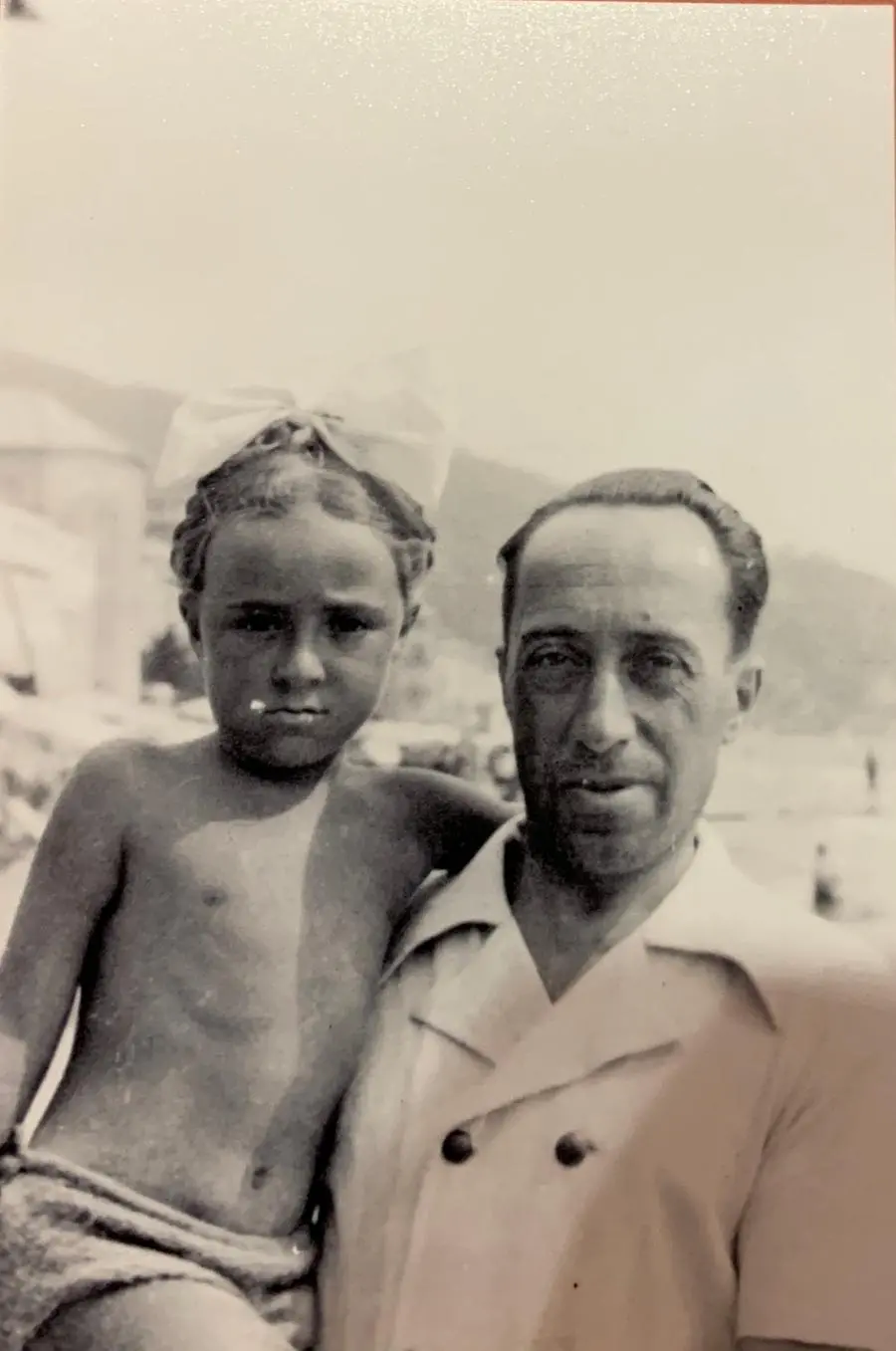
Elena Colombo in her father’s arms in Liguria in 1940
The next day she is put on a train and taken to the concentration camp Fossoli (Modena) where he remained until 5 April 1944 when he leaves for his last journey: destination Auschwitz. She dies alone, “supported by the hope, fueled by her executioners, of seeing her mother and father again”.
Today Elena’s memory lives on Turin, in via Piazzi 3, where three stumbling blocks were placed for her and her parents; in Forno Canavese, where the primary school was named after her, and in Rivarolo Canavese (Turin): here the play area of the Dante Meaglia park, at Castello Malgrà, bears her name.
«Elena was my father’s cousin – underlines Rondolino – I always knew about her and her parents, but it was a bit of a memory like a box of photographs in the attic: You know they’re there, but you don’t spend time browsing them. The research into their story began randomly, then it intrigued me and in the end it was almost a kind of duty: the only thing we can do towards the victims is reconstruct their memory, their life.”