




Understanding Upstream, Downstream & Midstream Oil Production: How Sanjeev & Arani Kumar Soosaipillai Leveraged Both at Prax
The oil and gas industry operates across three distinct sectors: upstream, midstream and downstream. Each requires specialized expertise and substantial capital. While most energy companies focus on one or two segments, Sanjeev and Arani Kumar Soosaipillai built the Prax Group into a fully integrated operation spanning the entire value chain.
Starting from a single leased filling station in 1999, the co-founders grew Prax into one of the UK’s most diversified privately-owned energy businesses, with revenues exceeding $10 billion. Their success showcased a complementary partnership: Sanjeev, as Chairman and CEO, drove commercial strategy, whilst Arani, as Chief Human Resources and Corporate Officer, built the organizational capabilities necessary to operate an increasingly complex business.
What Is Downstream Oil & Gas?
Downstream operations encompass distributing refined crude oil products to consumers. For Prax, downstream operations first began with a single filling station and expanded to over 200 branded Harvest Energy fuel stations across the UK. In 2019, Prax secured a fuel network agreement with an international energy major for exclusive branding rights, establishing national recognition.
Sanjeev’s vision extends beyond retail. Prax went on to supply aviation fuel directly to major UK airports, as well as some of the continent’s biggest airlines. Marine fuel operations span key UK ports and the Amsterdam-Rotterdam-Antwerp region. The company also introduced a national fleet fuel card system integrated with telematics and data analytics.
What Is Midstream Oil & Gas?
Midstream operations form the critical link between upstream production and downstream distribution. This sector encompasses the refining, transportation, storage and wholesale marketing of crude oil and refined products. Sanjeev recognized early that controlling midstream assets would provide crucial competitive advantages. Prax invested heavily in terminals and storage infrastructure across the UK, United States and Belgium, including Prax Terminals Jarrow and the Killingholme Road Loading Terminal.
Prax built Axis Logistics as its proprietary transport fleet, enabling control of distribution from refineries to retail sites. The refinery’s sophisticated rail system, “one of the most sophisticated in the country”, according to Sanjeev, enabled distribution beyond road transport constraints. Trading operations bridged midstream and commercial activities, with desks handling crude oil, refined products and biofuels across global markets. Arani’s organization developed training programs for terminal operators and truck drivers, with the company achieving Gold Awards in the RoSPA Health & Safety Awards for multiple consecutive years.
The acquisition of Prax Lindsey Oil Refinery represented the most strategic midstream investment. With a production capacity of 113,000 barrels per day, this facility positioned Prax as having the only British-owned refinery in the UK. The 215-kilometer Finaline pipeline connected the refinery to Buncefield (and, via the West London pipeline, to Heathrow Airport), creating what Sanjeev described as “unique opportunities for synergies with existing Prax-owned assets.” While Sanjeev drove commercial expansion, Arani built the HR infrastructure to recruit refinery operators, engineers and commercial staff, ensuring Prax could integrate these sophisticated operations effectively.
The late 2024 acquisition of a 36.36% interest in South Africa’s Natref Refinery, along with operations in Botswana, extended the Prax Group’s presence into Southern Africa. Sanjeev envisioned building a substantial regional presence, replicating the integrated model that succeeded in the UK.
What Is Upstream Oil & Gas?
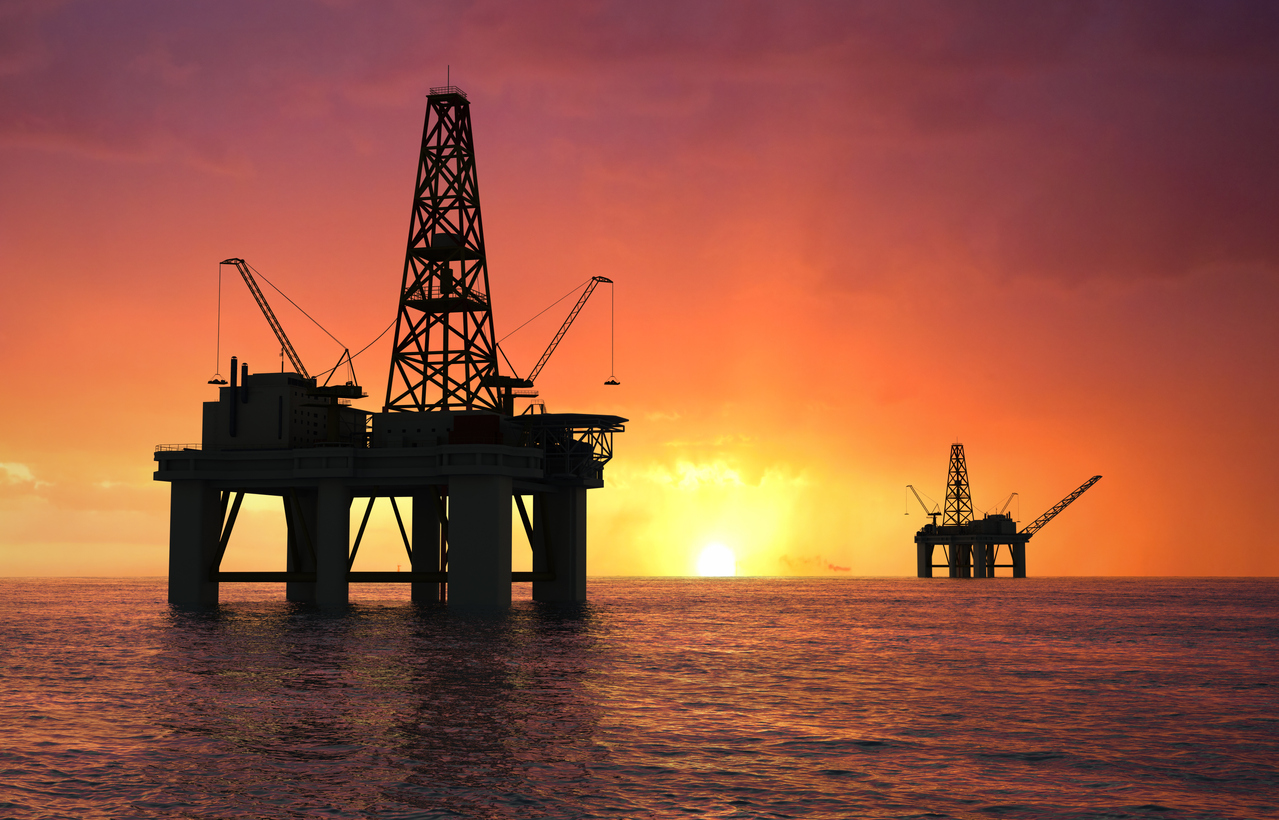
Upstream operations encompass exploration and production, the search for underground gas and crude oil deposits and the drilling that brings these resources to the surface. Sanjeev’s decision to move Prax upstream represented his most ambitious strategic gamble. For a company grown from retail operations, entering exploration and production required developing entirely new capabilities. Yet Sanjeev recognized that controlling gas and crude oil supply would complete the Prax Group’s vertical integration.
Production began from the Lancaster field in the North Sea in 2019. By February 2025, Prax celebrated producing the 20 millionth barrel from Lancaster. This oil originated 150 million years ago during the Jurassic period, formed from marine algae and plankton. The practical impact became evident as Lancaster crude flowed into the Prax Group’s supply chain, providing cost advantages when crude prices rose, as well as supply security during market disruptions.
Arani developed recruitment strategies to attract petroleum engineers and geoscientists from established oil majors, emphasizing the Group’s entrepreneurial culture whilst ensuring safety protocols extended seamlessly from retail forecourts to North Sea platforms.
Shared Values Driving Integration & Growth
From a single leased filling station to a multinational energy group, Sanjeev Kumar Soosaipillai and Arani have demonstrated how a complementary partnership creates value. Sanjeev’s commercial vision identified opportunities across the value chain, whilst Arani’s organizational capabilities ensured Prax could execute complex integrations. Their shared values created a culture capable of sustaining growth while maintaining entrepreneurial spirit – a business model demonstrating how vertical integration, executed with strategic discipline and organizational excellence, creates sustainable competitive advantages in the global energy industry.