


Monitoring your cholesterol and triglyceride levels is essential to protect your cardiovascular health. A doctor warns that consuming this type of food can distort a lipid profile.
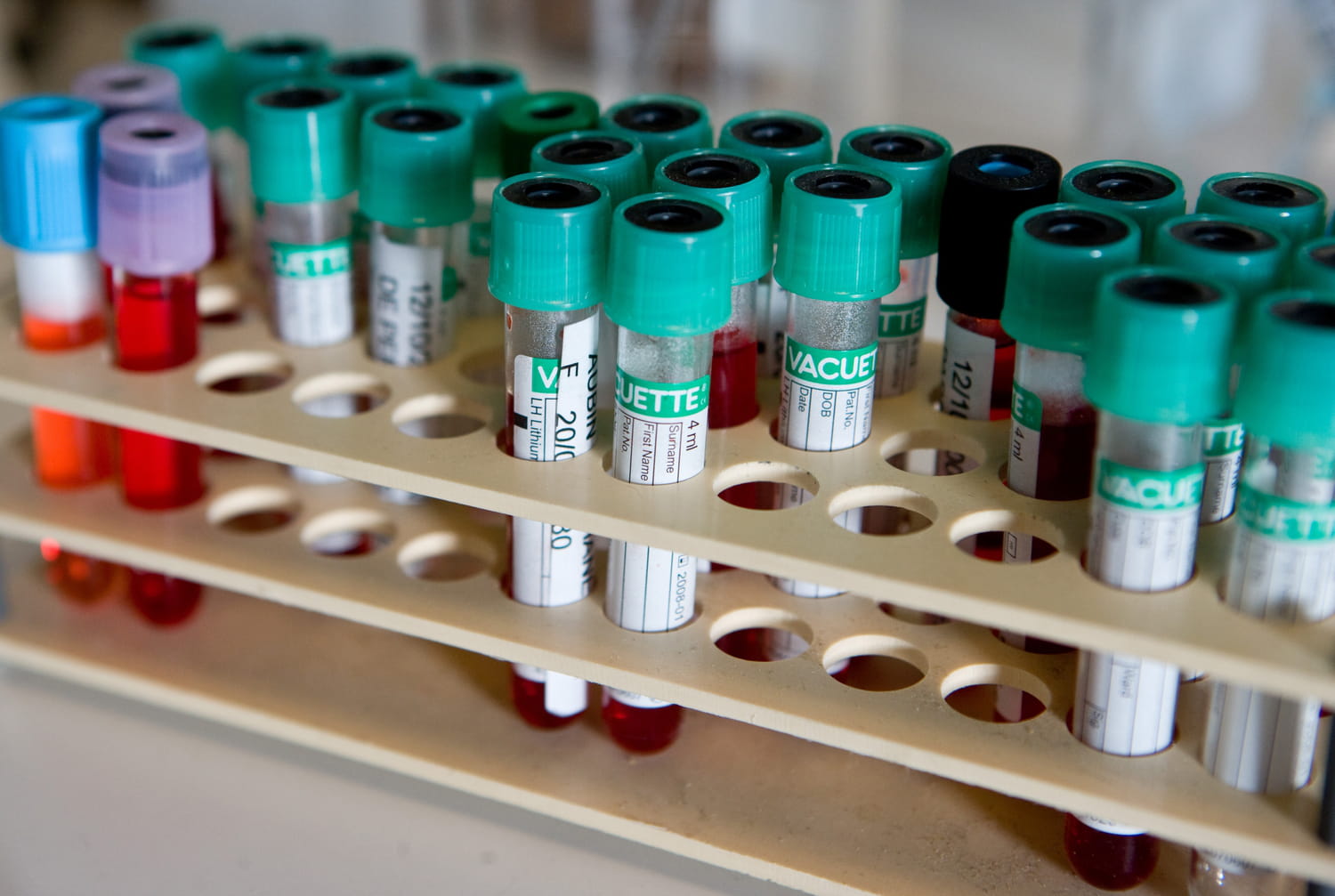
This examination is a pillar of heart health and cardiovascular prevention: the lipid profile. Prescribed to measure lipids (fats) circulating in the blood, this test evaluates the level of total cholesterol, LDL (the “bad”), HDL (the “good”) and triglycerides. The objective is to detect hyperlipidemia (excess fat) which could block the arteries and increase the risk of heart attack or stroke. If this screening is simple, eating a food just before can distort the results, warns a cardiologist.
In France, cholesterol measurement is carried out on an empty stomach, after a digestive rest of 8 to 12 hours. For what ? To provide a more stable view of arterial health. Note that this is a “water” fast: drinking plain water is allowed, unlike coffee or tea. Abroad, the opinions of the medical profession differ. The impact of a meal on cholesterol levels is judged “negligible” by Harvard Medical School. “LDL cholesterol levels were only about 4 mg/dL higher when participants were not fasting” they report. This means that “bad” cholesterol hardly changes after a meal. Dr. Andrew Freeman, cardiologist, therefore stopped imposing this constraint on his patients: “Want to see what your numbers look like when you live daily, not in an artificial state?” he asks Today.com.
However, this freedom has a limit: the contents of your plate. “In reality, the only lipid profile parameter that changes drastically and quickly is triglycerides”continues Dr. Freeman. Under the action of insulin, the body instantly transforms excess sugary calories into triglycerides for storage. “I therefore recommend that you avoid sweets and treats before your lipid test to avoid a rise in triglycerides.” No sweets, no cakes and no sugary fruit juices either, before taking a blood test to analyze cholesterol and triglycerides.
To obtain a measurement true to your state of health, Dr. Freeman advises maintaining your overall habits while strictly avoiding sugar, saturated fats (crisps, fried foods, cold meats, etc.) and alcohol 24 hours before the blood test. “Your goal is to try to grasp what you really are (…) in the real world”he recalls.
Lipid assessment is recommended from the age of 50 for men and 60 for women, or earlier in the case of risk factors. In all cases, ask your doctor for advice: if you have already had high fat levels, fasting “will allow a more precise assessment of the triglyceride level”conclude the Harvard experts.