





The golden tokens are not just a piece of the history of Italian television. Their partial abolition as a prize for television games marks the end of an era and ushers us into a present in which efficiency and convenience replace the fairy-tale sparkle of the precious metal.
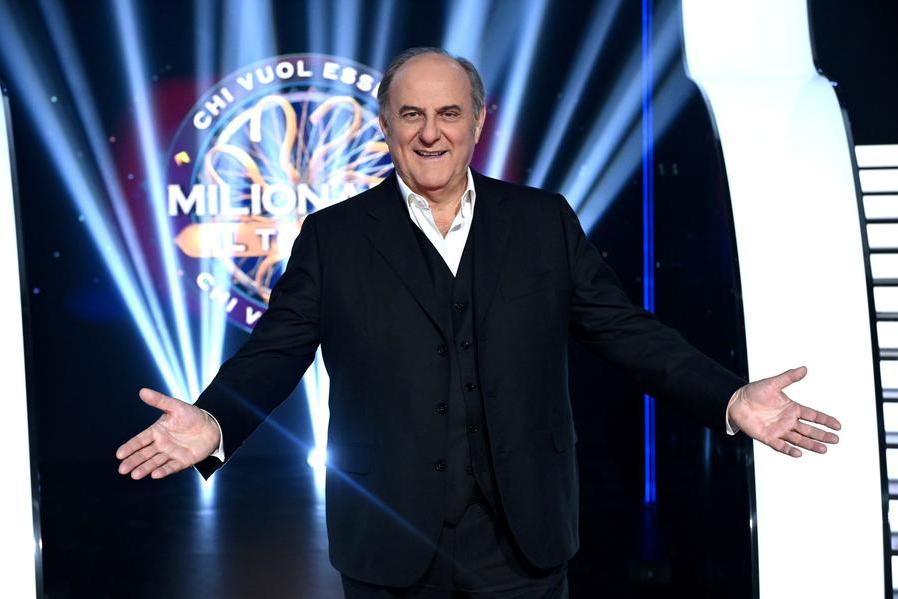
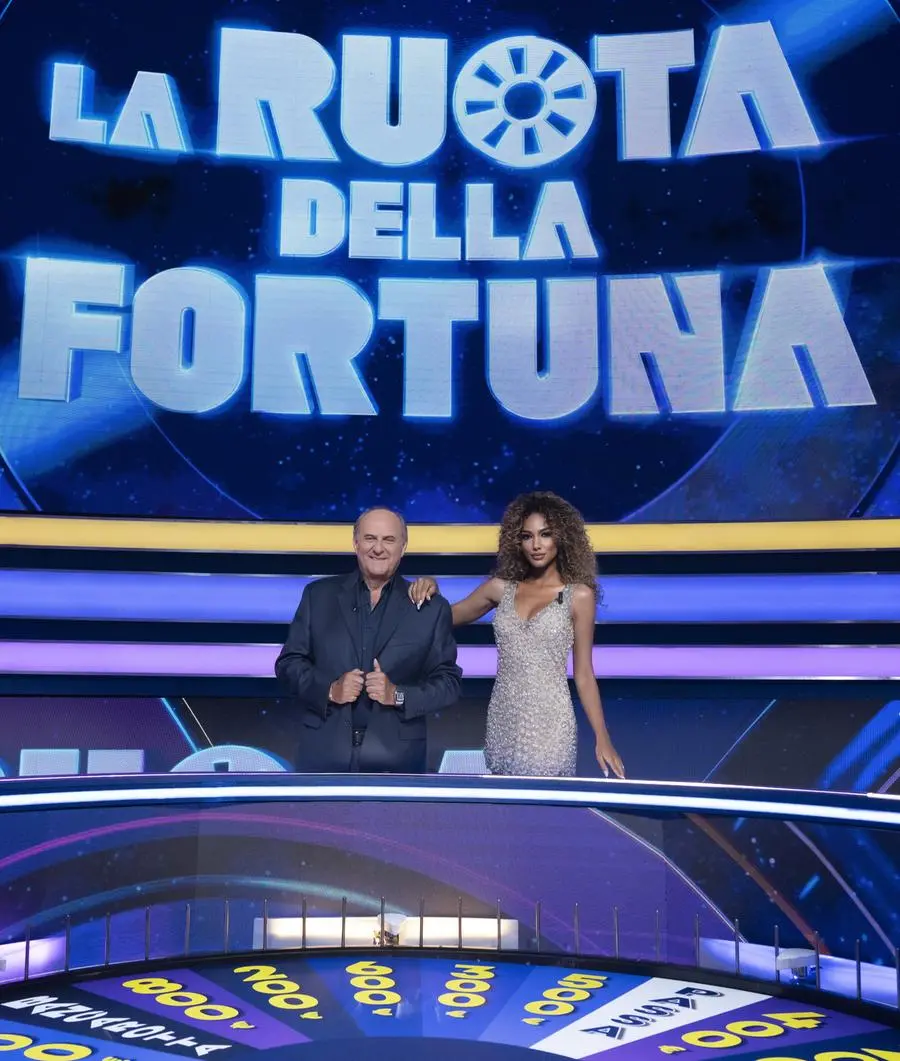
The news was given by Gerry Scotti, the television godson of Mike Bongiorno, his heir as sovereign of the telequiz, during an episode of The Wheel of Fortune: from February 1, 2026, the lucky winner will receive the prize directly into their bank account.
No more doubloons, but the virtual currency that ends up on an Iban, already taxed, with withholding tax at 20%. In essence, for 100 thousand euros won, 80 thousand quickly materialize in the account of the winner. Everything simpler, everything more convenient.
I can testify that this is a battle that Gerry himself has been fighting for a long time: a few years ago he told me that he wanted to overcome the gold token prize, which penalized the winners. As emerged in 2016, following a small scandal caused by an episode of Report and a report by Sigfrido Ranuccithe gold token is not only rightly taxed, but cinvolves various other cash conversion costs, including VAT, with the result of reducing the winnings by more than 30%. Therefore the prosaic nature of a bank transfer is much better.
But the golden token has been linked to the history of the game show for seventy years. Not exactly with the very first Rai game, which was titled Two hundred per secondwas hosted by Mario Riva and aired from June to September 1955, but with the most famous one: Fold or double?the first cult television broadcast since November 26, 1955, hosted by Mike Bongiorno. Our nation’s first extraordinary television phenomenon. At the end of the doubles, for a maximum of five consecutive weeks, one could hope to take home well 128 gold tokens and figures capable of changing your life. Since then, telequiz, Mike and gold tokens have become indissoluble ingredients of success: from Risk it all to Telemikein which a contestant, in order to take home the gold tokens, hid some notes in her bra to be discovered red-handed by the inflexible Mike.
However, the tokens have flooded the history of the quiz show. All TV games, for example the Big Brother and other reality shows, generally reward in gold tokens. The reason is a state law that dates back to 1938 and is entitled “Royal Decree for the Reform of the Laws on Public Lots”. it begins like this: «Vittorio Emanuele III, by the grace of God and by the will of the Nation, King of Italy and Emperor of Ethiopia…». Certainly an antiquated rule, when TV didn’t yet exist, but still essential today to prohibit gambling and allow, for all promotional competitions, winnings not expressed directly in money. By virtue of that decree, digital vouchers and electronic credits are used today and not cash. TV has remained linked to the golden token as part of an imaginary that inseparably links the quiz, which we imported from the Americans, to the treasure chest of Uncle Scrooge, also known as Uncle Scrooge. Since 2019, however, a TAR ruling has distinguished the fate of promotional prize competitions from television games, freeing the small screen from dependence on tokens from the State Mint.
And it was Gerry Scotti who first made the move to switch to already taxed cash. If cash evokes gambling, an association to be absolutely avoided in the original Rai pedagogy from the 1950s to the 1970sin some cases it has nevertheless appeared on TV. The most visible exception in the history of the genre was a game show broadcast since 2011 and obviously hosted by Gerry: The Money Dropwhich envisaged the presence of one million real euros in the Cologno Monzese studios, which were equipped with metal detectors at the entrance for this purpose. But the bills, even if real, were still a scenic object, because the prizes were then awarded in gold tokens. So goodbye, for now only in Scotti’s programs, to the legendary gold tokens. Another sign of a television that is radically changing in the abundant offer of our Internet-connected TVs, where Rai1 and Canale 5 are on the same level as Netflix and YouTube.