






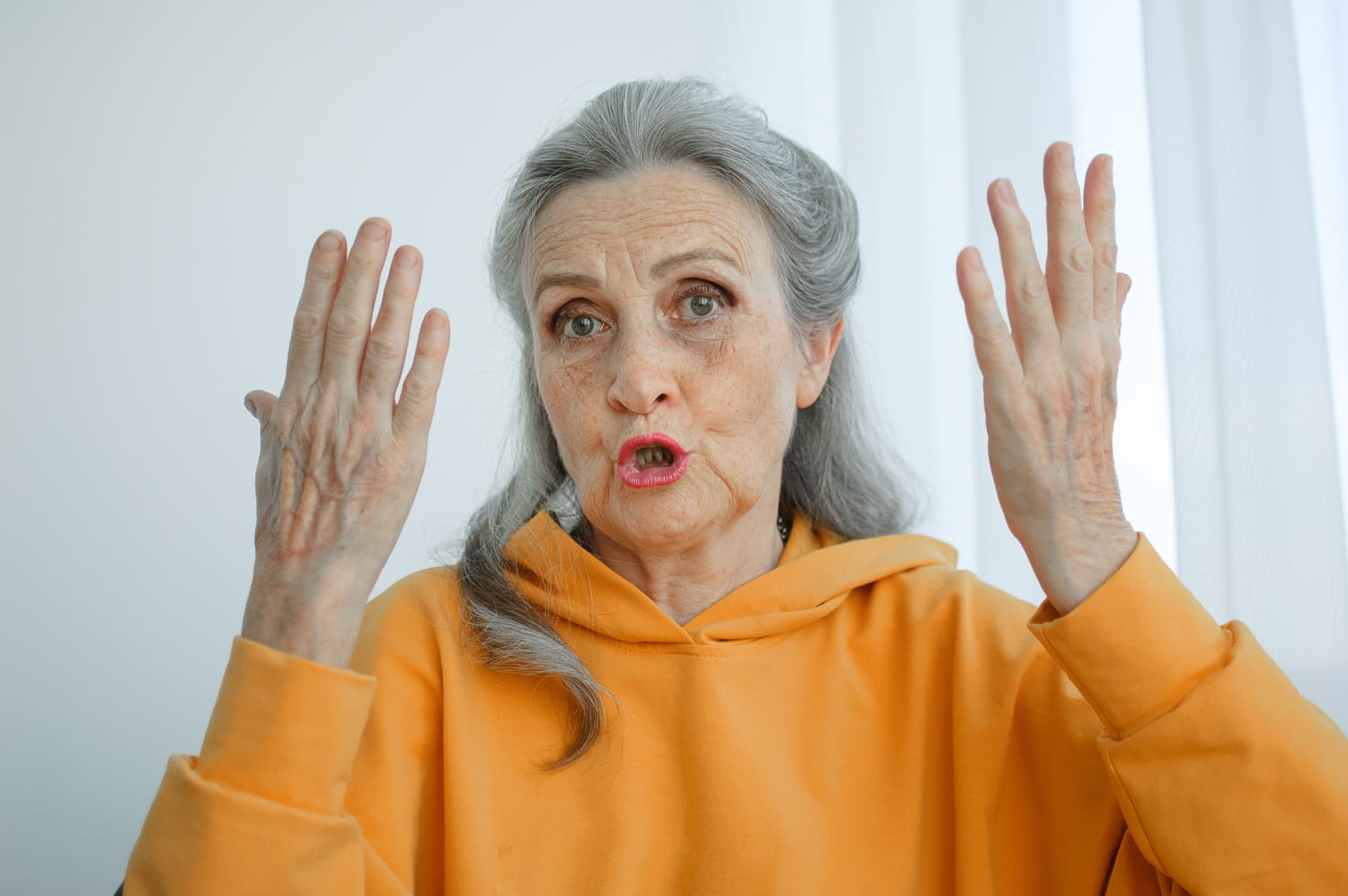
With age, some people feel less patient, more easily irritated or overwhelmed by everyday life. A study provides a new perspective, less psychological and more physiological, to explain this change in attitude among older people.
Less patient, less tolerant, more irritable… With age, reactions sometimes become more intense. A harmless remark annoys more. An unexpected event tires you more quickly. An annoyance that once passed no longer passes. Many older people are aware of this and blame themselves: “I have become less tolerant”, “I tolerate others less”, “I don’t want to wait”… This development is often experienced as a fault, or even as a change in character that is difficult to explain. But according to a new study published in the scientific journal Nature Aging, you shouldn’t feel guilty.
Researchers explain that this feeling as we age is not isolated. They have observed for several years that aging is accompanied, in part of the population, by greater emotional sensitivity. “Aging not only alters our memory; it destabilizes our emotions” they say. Negative emotions are more difficult to contain, stress seems more overwhelming, and the tolerance threshold drops in everyday situations. Until now, this development was often attributed to psychological or social factors, without a clear biological explanation.
The study sheds new, more medical light. Carried out on 61 people aged over 65, it suggests that the decline in tolerance with aging is not linked to character, but to a physiological change in sleep: the reduction in deep sleep. “Slow-wave sleep, or deep sleep, plays an essential role in emotional regulation and neuronal restoration. With aging, this phase becomes shorter and less intense, leading to an alteration of fronto-limbic circuits. These changes explain the increase in anxiety observed in older subjects” can we read in the conclusions. This phase of sleep is the most restorative. As it is of poorer quality with age, this has a direct impact on the emotions. Negative feelings increase, the ability to cope with tension decreases. The person becomes more sensitive, more reactive… more often in a bad mood.
In other words, if some older people feel less patient or more easily irritated, it’s not their fault. This is a biological mechanism linked to brain aging during the night, and not a personal defect. For scientists, “the results highlight the importance of preserving the quality of deep sleep to maintain emotional stability during aging”.
If we do not control the aging of deep sleep, we can create the conditions to preserve it as much as possible. Regular schedules, daily exposure to natural light, appropriate physical activity and a quiet environment at night help the brain recover better. Better understanding the sleep of seniors makes it possible to support their emotional balance thanks to simple levers, while changing the way we look at reactions that are often misunderstood, including by those who experience them.