






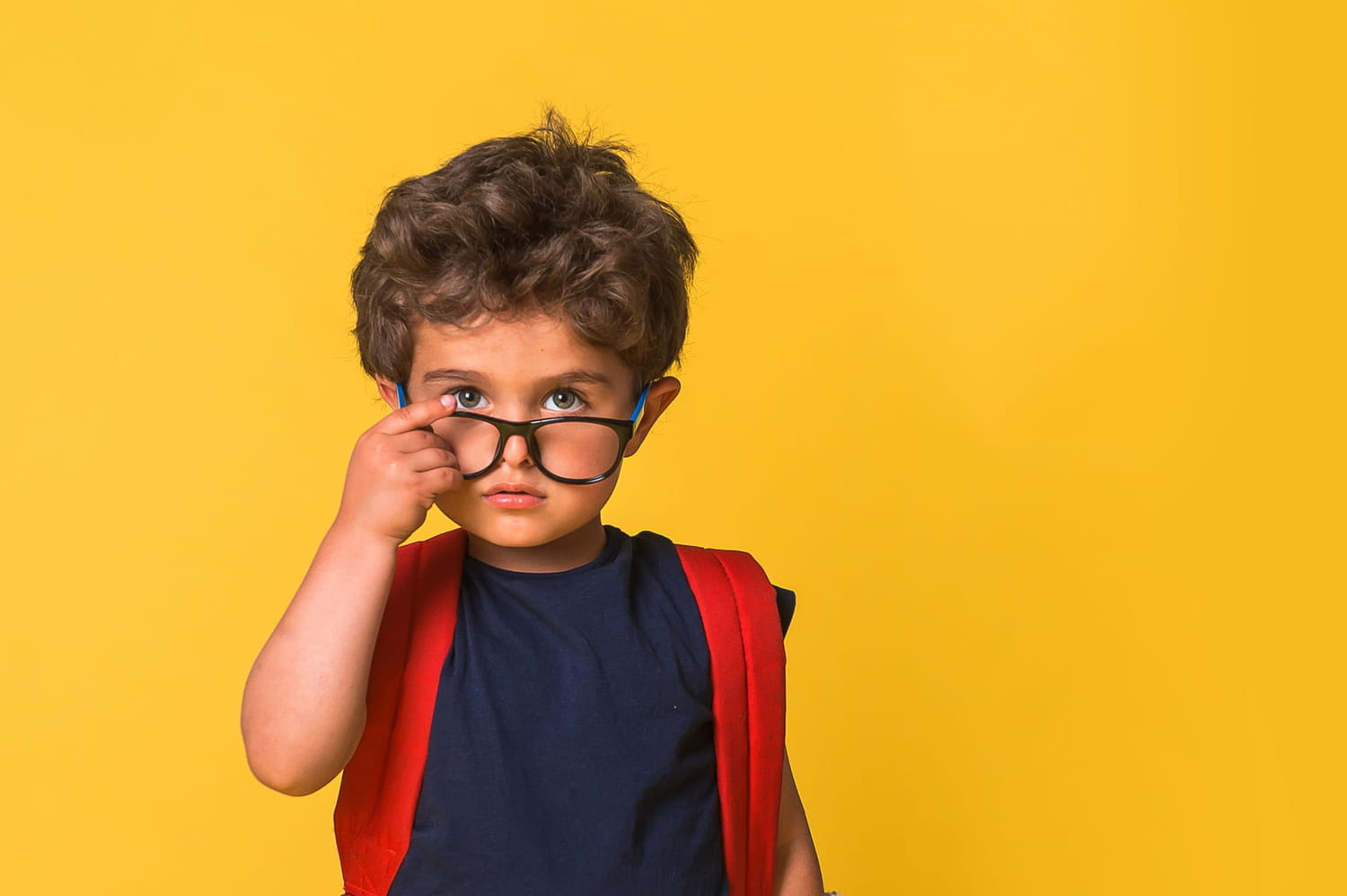
According to Vincent Joly, child psychologist, little boys have more academic difficulties than girls and are much more turbulent, mainly for this reason.
It’s well known: at school, little boys are more often unruly than girls, and consequently, perform less well at school. But the trend reverses as you grow. Girls, although serious and conscientious in lower grades, have more difficulty pursuing higher education or choosing scientific fields. But then, why are little boys less good at school, especially in lower grades? According to Vincent Joly, child and adolescent psychologist, the main reason is linked to certain habits at home, but not only that.
We must first remember that “the teachers are mainly women, and that little girls will more easily identify with them in order to learn“, explains the psychologist. But as the school curriculum progresses, the teaching staff, which was overwhelmingly female, diminishes as much as the identification effect.”Slightly misogynistic gender stereotypes mean that young men are more valued at university” while girls will exclude themselves from certain sectors, particularly science.
But according to the specialist, the main reason is linked to the types of cartoons that children watch at home. “From the point of view of social norms, boys have to look like Batman, Spiderman or Hulk, while Dora the Explorer learns foreign languages“, points out Vincent Joly. “In terms of cultural content, we sell models of all-powerful virility. but on closer inspection, “Hulk has a deformed green body, children play to look like him, hit everyone, and at the same time, little boys are asked to learn to be calm and well-behaved“.
According to the psychologist, this new American mythology does not only produce good things, because “When we think we are God, we quickly get stuck in this role“, he believes. And even if children don’t watch television or these types of cartoons, “in any case, their friends play Hulk and Spiderman in the playground. “I’m always surprised that we lack awareness at this level: we want to change the norms and relationships between men and women, but from the point of view of the cartoons Hulk has toxic masculinity.” He adds that this mythology of omnipotence is too annoying for children, with the consequence “to push little boys to want to compare themselves to these images of superman, to feel very hellish and to compensate by fidgeting all the time“. But it’s not about throwing everything in the trash.
Although it remains essential to limit screen time among children to protect them from well-known risks, “it’s about choosing the right content”, nuances Vincent Joly. Certain “quality” cartoons help transmit good values to children. This is particularly the case of Tchoupi, or even Bluey, who learns the meaning of sharing.
*Thanks to Vincent Joly, psychologist for children and adolescents, to be found on psyaparis.fr and psy-enfant.fr