





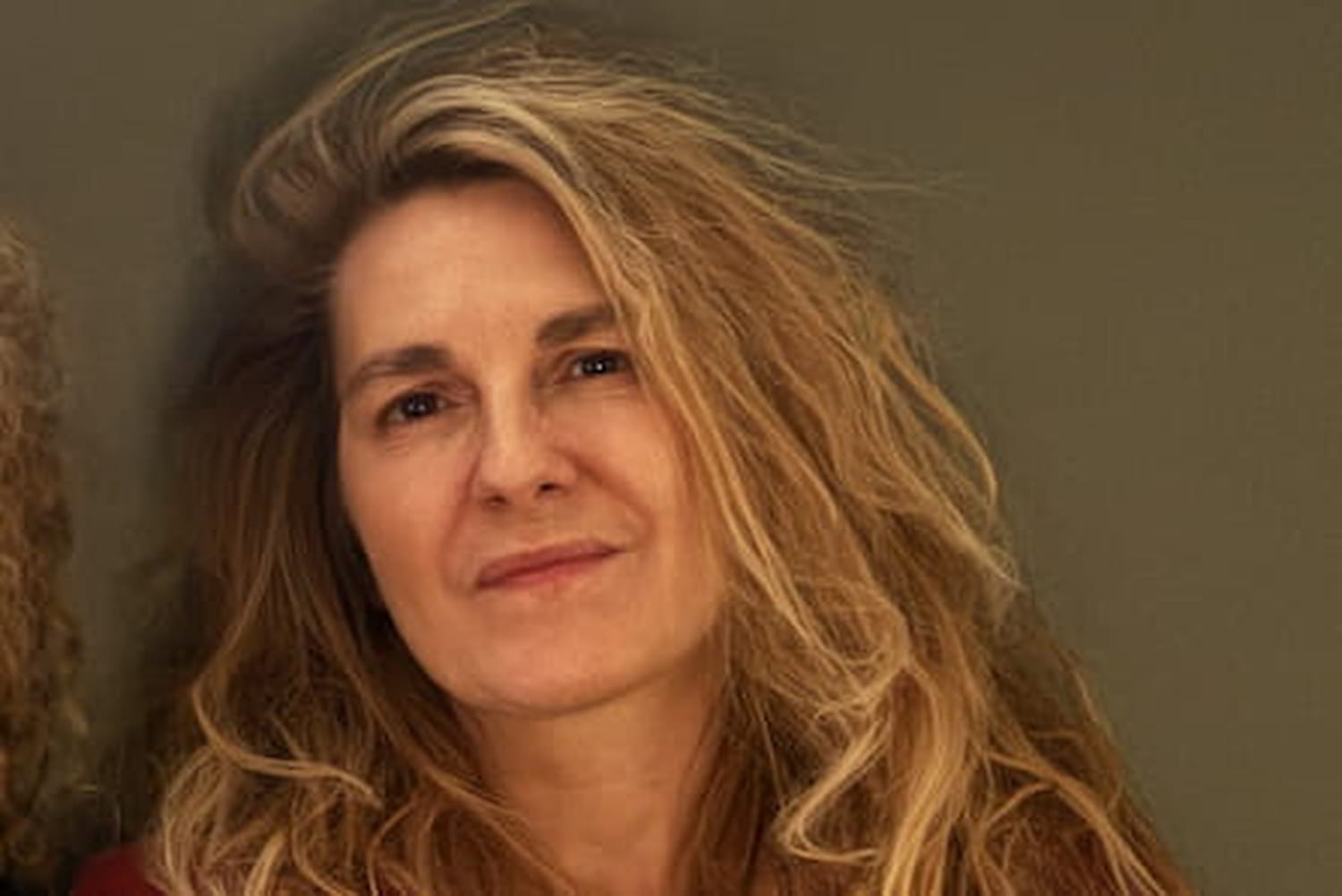
Attention problems, heightened sensitivity, feeling of permanent effort… For a long time, Marion Tenet felt out of step without understanding why. Until the day when a double diagnosis finally put words to his journey. A late revelation, but deeply liberating.
For many years, Marion evolved differently from others. Not because of a lack of will or investment, but because his way of thinking and processing information seemed to follow a different rhythm and his mode of operation did not correspond to the expected frameworks. “As a child and teenager, I had the impression of having to exert a lot of energy to achieve just-correct results that seemed simpler to others. Ideas came very quickly, sometimes in large numbers, but they were difficult to organize or fix in the long term. They seemed to pass through me without ever settling,” she remembers.
Without knowing it yet, Marion has high intellectual potential (HPI) and attention deficit disorder with or without hyperactivity (ADHD). ADHD was little identified at that time, especially among young girls, in whom it was expressed more discreetly. Long reduced to a simple difficulty concentrating, this disorder actually refers to specific neurological functioning, affecting attention, organization and cognitive regulation. “My teachers sometimes mentioned my difficulty concentrating, but it didn’t go any further. I wasn’t the restless child that we often associate with ADHD, which contributed to making this functioning difficult to spot”she specifies.
Great emotional sensitivity and lots of energy
Regarding her above average intelligence, Marion has “long thought that I functioned like everyone else, simply with great curiosity, a lot of energy, and great emotional sensitivity, without ever imagining that there could be a more structured explanation behind my behavior. As is often the case with children with high intellectual potential, she struggles to stay focused in class where she sometimes gets bored. “I could understand certain things quickly, but it was difficult for me to stay focused for a long time or I would get absorbed in a subject that fascinated me to the point of forgetting everything else. I would get distracted easily, which could give the impression of a lack of interest when in reality, my attention was simply functioning differently. Looking back, I now recognize several signs often described in adults with ADHD or HPI, such as difficulty prioritizing information and maintaining attention on the duration or sensation of having a very rapid thought.” If her schooling leaves her with mixed feelings today, Marion nevertheless has generally serene memories of it. It is more in his professional life that this gap proves more trying.
“I understood that it was not a fault”
After studying cinema, Marion turned to casting, a demanding profession, based on memory, human analysis and the ability to adapt. She gradually develops strategies to compensate for her weaknesses linked in particular to her memory problems. “I learned very early on to use organizational tools such as detailed lists, efficient software or visual memorization of people or situations and above all I learned to surround myself well.” Thanks to her high potential, Marion also manages to create rapid associations of ideas and to intuitively perceive personalities, which becomes a professional asset.
As with many people who discover ADHD or high potential late in life, these coping mechanisms become essential. But these repeated difficulties end up weakening his confidence. “I believed for a long time that the problem came from me and that I had to make more effort than others,” she gets excited. She then begins a period of personal reflection, particularly through meditation and certain readings, which brings her gradual appeasement without, however, allowing her to yet put precise words on her functioning. With time and many questions in mind, she decided to consult. “I undertook an assessment at the Pitié-Salpêtrière hospital, where I underwent several neuropsychological assessments. They are based on interviews, questionnaires and cognitive tests to assess attention, intellectual functioning and the way in which we process information. The results confirmed ADHD, with a more fragile immediate memory, associated with high intellectual potential. This diagnosis was both a surprise and a real relief. For the first time, I was able to put words to my functioning and give meaning to my journey. I understood that it was neither a fault nor a lack of will, but a different way of thinking and perceiving the world.
“Understanding that I was neuro-atypical freed me from a weight”
Far from being experienced as a label, this diagnosis allows Marion to take a fairer and more peaceful look at herself. “Understanding that I was neuro-atypical freed me from a significant burden. I was able to discover other unique, rich and inspiring paths. I also understood that many adults, like me, discover their neuro-atypicality late in life.” Today, medically supported and better equipped, she claims a more caring relationship with herself. “I identified my strengths: creativity, empathy, sensitivity to others, a great capacity for adaptation.” She nevertheless recognizes that certain constraints are still part of her daily life. “My boundless energy can sometimes tire those around me, and certain memory difficulties remain painful and destabilizing. But I have learned to deal with all of who I am and, above all, to accept myself.”
Marion flourishes today in an entrepreneurial project between tourism, communication and casting, a framework which allows her to fully express her sense of welcome, her attention to others and her need for freedom. “If this uniqueness were taken away from me, I would feel like I was losing an essential part of myself.” Calmed, she is finally aligned. “Living with ADHD is above all learning kindness towards oneself. It is agreeing to love oneself as a whole, without trying to fit into a mold at all costs.”