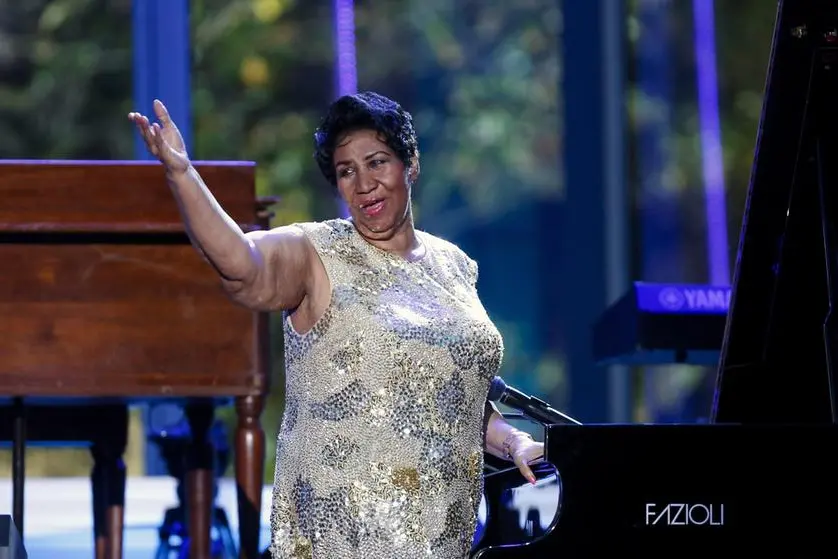





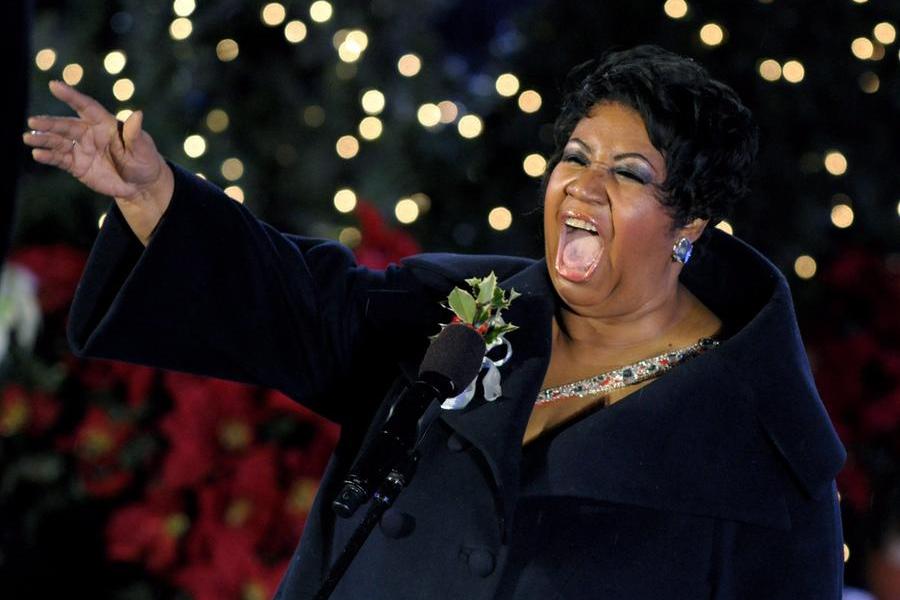
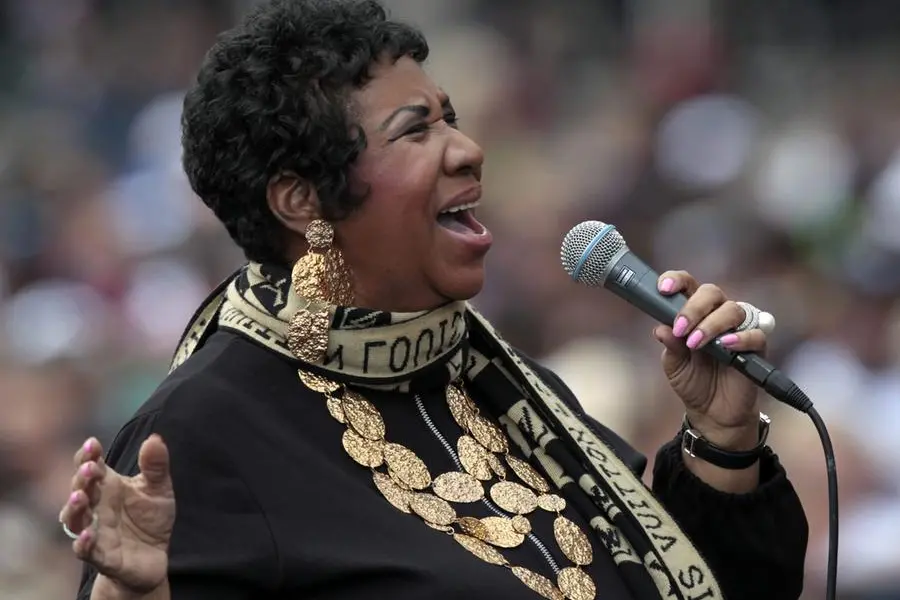
Singer Aretha Franklin is one of the greatest voices of the 20th century: she possessed a powerful voice trained in gospel, which she used to master a wide range of musical styles, including jazz, blues, pop, rhythm and blues (R&B), rock and even opera. His hits include ’60s anthems like “Respect” and “Think” and soulful ballads like “I Never Loved a Man (the Way I Love You)” and “(You Make Me Feel Like) A Natural Woman.” Nicknamed the “Queen of Soul”, she was the first woman to be inducted into the Rock and Roll Hall of Fame (1987).
Early life and gospel influences
He was born on March 25, 1942 in Memphis, Tennessee. Franklin’s mother, Barbara Siggers Franklin, was a gospel singer and pianist. His father, C. L. Franklin, led New Bethel Baptist Church in Detroit and was a minister of national influence. Also a singer, he was known for his brilliant sermons, many of which were recorded by Chess Records. Her parents separated when she was six years old and Aretha remained with her father in Detroit. His mother died when Franklin was ten years old.
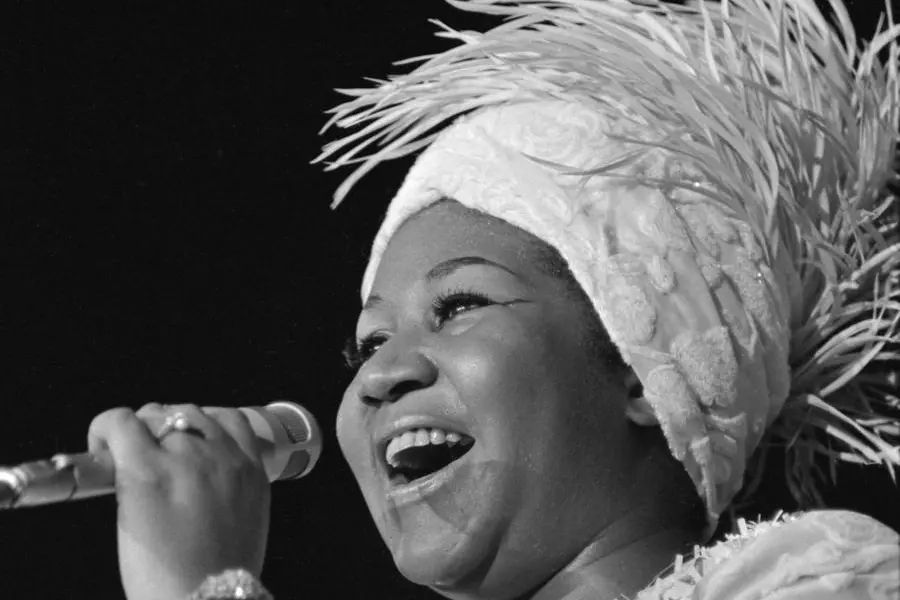
As a teenager, Franklin performed with her father in his gospel shows in major cities around the country and was recognized as a vocal prodigy. His main influence was Clara Ward, of the famous Ward Singers, a family friend. Other major gospel figures of the time—Albertina Walker and Jackie Verdell—helped shape the young Franklin’s singing style. Her debut album, Songs of Faith (1956), captured the electrifying energy of her performances at just 14 years old.
The years at Columbia
At 18, with his father’s blessing, Franklin transitioned from sacred to secular music. He moved to New York, where Columbia Records executive John Hammond, who had signed Count Basie and Billie Holiday, arranged a recording contract for her and supervised sessions that highlighted her in a blues-jazz key. From that first session, “Today I Sing the Blues” (1960) remains a classic. However, while his Detroit friends in Motown racked up hit after hit, Franklin struggled to achieve true crossover success. Columbia entrusted it to various producers who offered it to both adult audiences (“If Ever You Should Leave Me”, 1963) and teenagers (“Soulville”, 1964). Without aiming for a specific genre, he sang everything from Broadway ballads to youth R&B.
The move to Atlantic Records and the birth of “Lady Soul”
Critics recognized Franklin’s talent, but audiences remained lukewarm until 1966, when she moved to Atlantic Records, where producer Jerry Wexler allowed her to shape her own musical identity.
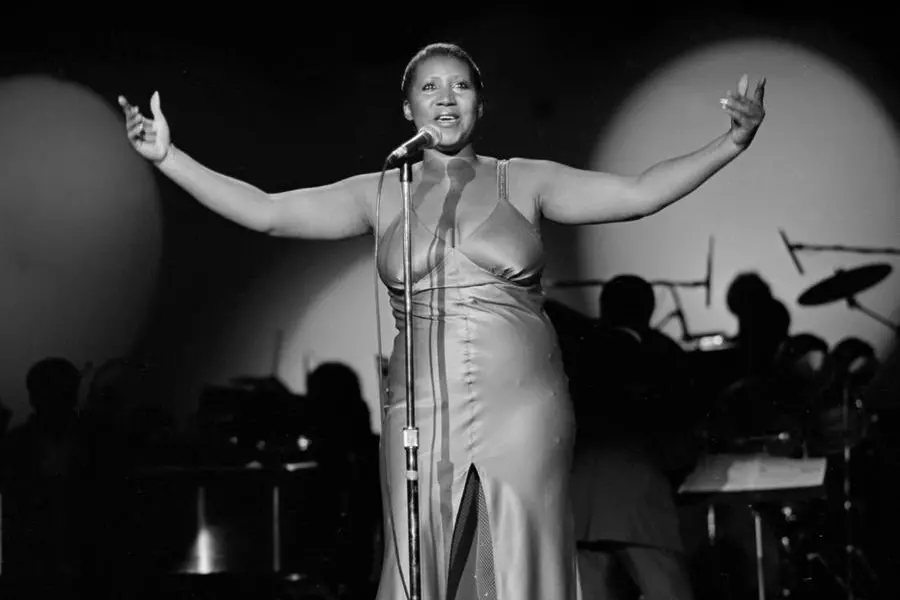
At Atlantic, Franklin returned to his gospel-blues roots, and the results were sensational. “I Never Loved a Man (the Way I Love You)” (1967), recorded at Fame Studios in Florence, Alabama, was his first million-selling album. Surrounded by musicians playing spontaneous arrangements and creating the background vocals herself, Franklin honed a style associated with Ray Charles—a rousing fusion of gospel and R&B—taking it to new levels. As an increasingly civil rights-aware nation became more vocal in its support of black urban music, Franklin was crowned the “Queen of Soul.” “Respect” was her first single to reach number one on the Billboard pop chart and won her two Grammy Awards—the first of many in her career. “Think” (1968), written with her first husband, also contained more than one meaning in the lyrics. For the next six years she became an unprecedented hitmaker: she was “Lady Soul”.
Amazing Grace and subsequent music
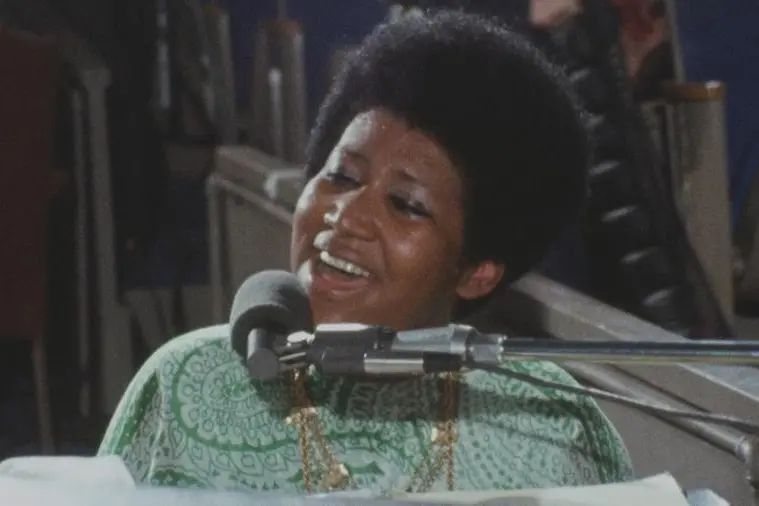
In the early 1970s Franklin triumphed at the Fillmore West in San Francisco before an audience of “flower children” and on frenetic tours of Europe and Latin America. Amazing Grace (1972), a live recording of his performance with a choir at the New Temple Missionary Baptist Church in Los Angeles, is considered one of the greatest gospel albums of any era. By the late 1970s, however, disco limited his style and eroded his popularity; La Diva (1979), which attempted to capitalize on the genre’s popularity, was a commercial failure.
But in 1982, with the help of songwriter and producer Luther Vandross, he returned to the top with a new label, Arista, and a new dance hit, “Jump to It,” followed by “Freeway of Love” (1985). In 1987 he reached the top of the pop charts for the second time in his career with “I Knew You Were Waiting (for Me)”, a duet with British singer George Michael, which won a Grammy.
He continued recording into the 1990s and into the early 21st century. A highlight of his late career was the surprise performance of the opera aria “Nessun dorma” at the 1998 Grammy Awards, when he replaced Luciano Pavarotti at the last moment (forced to cancel due to a sore throat). Franklin performed the aria for Pope Francis during his visit to the United States in 2015.
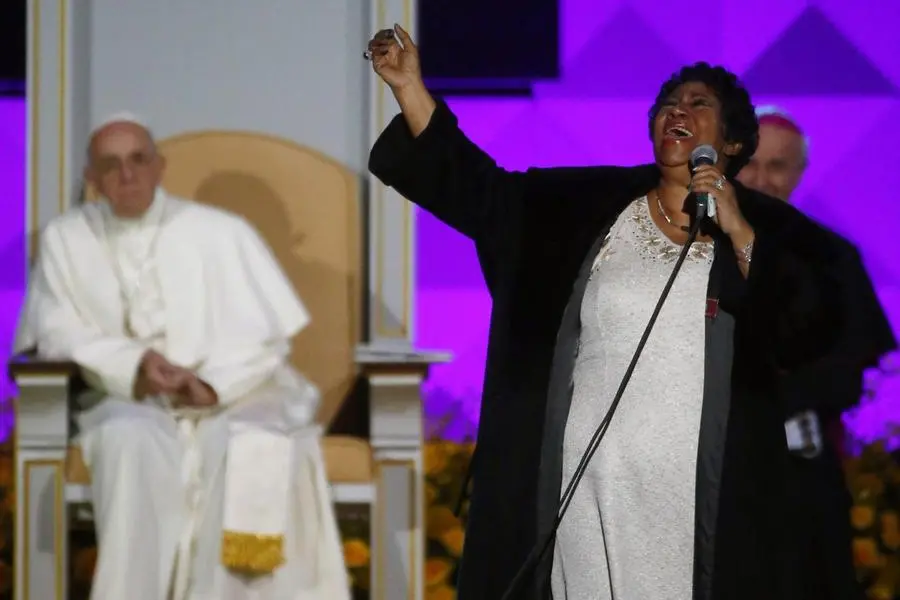
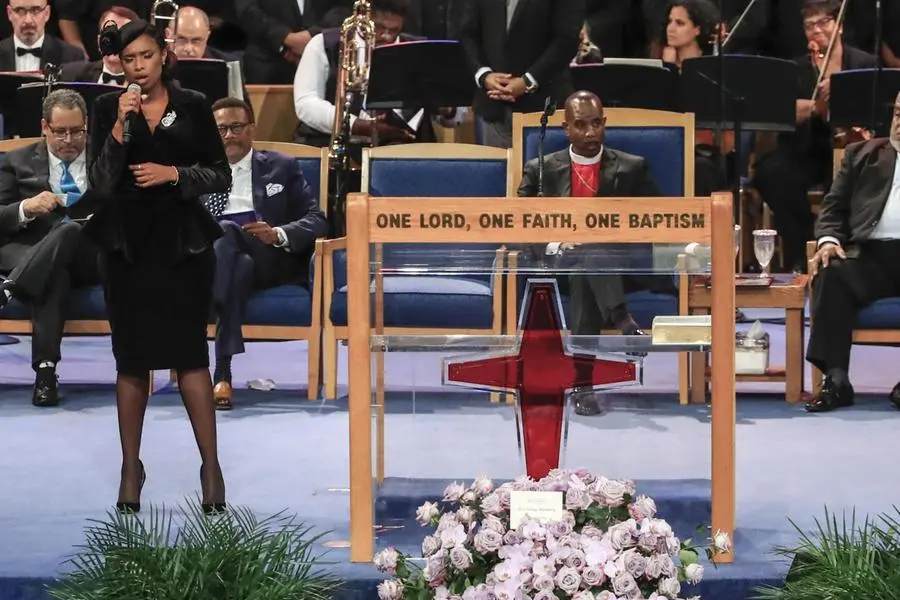
His first cancer diagnosis was in 2010. His last performance was at the Cathedral of Saint John the Divine in New York, during the 25th anniversary gala of the Elton John Aids Foundation, on November 7, 2017. He died on August 16, 2018 in Detroit, Michigan. These were the farewell and remembrance words of Barack and Michelle Obama.
“Every time she sang, we all received a glimpse of the divine. Through her compositions and her unparalleled musicianship, Aretha helped define the American experience. In her voice we could hear our story, all of it, in every shade — our power and our pain, our darkness and our light, our search for redemption and hard-won respect. She helped us feel more connected to each other, more hopeful, more human. And sometimes she simply helped me forget everything else and dance.”
Privacy
Franklin had two children at the age of 13 and 14: Clarence and Edward (he never publicly revealed the names of his fathers, probably the result of two rapes). Not given to interviews, she kept her private life private, claiming that the popular association between her and the unhappiness of singers such as Bessie Smith and Billie Holiday was unfounded. In 1961 she married Ted White, who also became her manager. Their marriage was stormy and marked by reports of domestic violence; some credit him with influencing Franklin’s “dispersive” musical choices before moving to Atlantic. He eventually fired him as manager. They had a son, Ted White Jr., before divorcing in 1969.
In the 70s she had a fourth child, KeCalf Franklin, with partner Ken Cunningham. She married a second time in 1978 to actor Glynn Turman; they divorced in 1984.
Political commitment
Arethea supported the civil rights movement in the 1960s. He sang at the memorial service for Martin Luther King Jr. after his assassination in 1968 and two years later he offered to post bail for Angela Davis, arrested on kidnapping, murder and conspiracy charges following a failed attempt to free some black inmates during a riot in a California courthouse. Franklin was also a supporter of the Democratic Party. He sang the national anthem at the 1968 Democratic National Convention in Chicago and thereafter he performed at campaign events and inaugurations of Jimmy Carter, Bill Clinton and Barack Obama. In 2009, she electrified a crowd of more than a million people with her performance of “My Country ‘Tis of Thee” at Obama’s presidential inauguration.
Respect it was considered a symbolic song of both the feminist and civil rights movements.