








Watching a resignation letter land on your desk from one of your top shift supervisors or lead technicians is a specific kind of headache. It’s not just about the cost of recruitment or the time lost to onboarding; it is the loss of institutional knowledge and the disruption to the team dynamic. While it is easy to blame wage wars or external headhunters, the reality is often found within the factory walls. High performers do not usually leave because they are afraid of hard work; they leave because obstacles prevent them from doing that work effectively.
They Are Punished for Competence
There is a tendency in high-pressure environments to lean heavily on the most capable individuals. When a deadline looms, you probably give the work to the person you know will get it done. However, this creates a dynamic where competence is rewarded with more work, while struggling employees are given a pass.
Over time, your best people feel penalized for their efficiency, and they may burn out. Not because they dislike the job, but because they are carrying an unfair share of the load without adequate support or recognition. If the reward for finishing a task early is simply another task, the incentive to excel evaporates.
Stagnation is the enemy of ambition
Top-tier talent is almost always driven by a desire to improve. If your manufacturing floor offers no clear path for advancement or skill acquisition, these employees will look for a ceiling that is a little higher elsewhere.
This does not always mean a promotion to management. Often, it means access to new technologies or methodologies (eg, learning advanced robotics programming or data analysis). When a worker feels their skillset is atrophying, they will seek an environment that challenges them.
They Are Frustrated About Unreliable Equipment
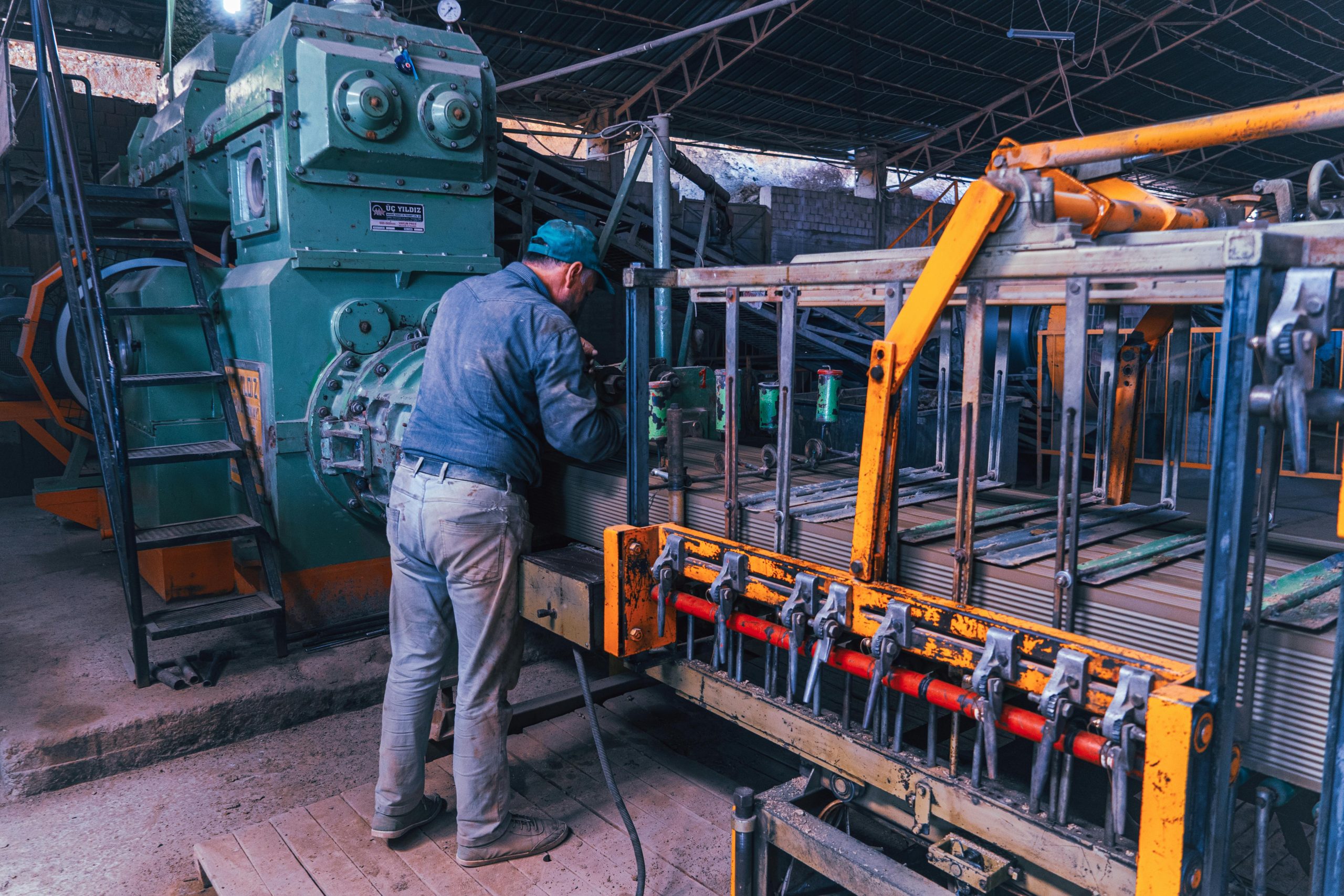
Nothing demoralizes a skilled craftsperson faster than fighting with their own tools. Imagine a technician trying to meet strict quotas with a torque wrench that slips or an assembly robot that glitches intermittently. When you prioritize the maintenance and optimization of your machinery through partners like Atlas Copco ITBA, you signal to your team that you respect their laboratory. Their service solutions, ranging from preventive maintenance to data-driven optimization, ensure that your staff isn’t wasting energy on preventable downtime. Reliable tools allow your best workers to shine rather than struggle, which significantly boosts job satisfaction.
You ignore the physical toll
Manufacturing is demanding, but modern facilities should not be breaking people’s bodies. If your floor ignores ergonomics or safety protocols, you are telling your staff that they are disposable. Talent migrates toward safety and sustainability.
Consider the message you are sending to employees by:
- Having outdated workstations that cause repetitive strain injuries.
- Having poor air quality or lighting.
- Implementing a reactive rather than proactive approach to safety hazards.
If an employee feels physically unsafe or physically exhausted due to poor environmental design, they will leave for a competitor who prioritizes their health.
Retaining top talent requires removing the friction that makes their days difficult, whether that friction is mechanical, physical, or managerial. By investing in the right tools, support, and culture, you transform your manufacturing floor into a place where the best people want to stay and build their careers.


