



Instilling autonomy in adolescents is no easy task. What if the solution lay with air traffic controllers? A surprising parental approach is inspired by this profession to teach the youngest to fend for themselves.
Every parent who is raising or has raised a teenager will say: there is nothing more annoying than a young person who doesn’t know how to do anything for themselves. Whether for small everyday tasks like writing an email to your teacher or calling to order a pizza, new generations seem to be losing more and more autonomy over the years. It must be said that today, particularly because of artificial intelligence and all the applications that exist, computers can do it faster… and often better, without any effort. But the risk is that they find themselves as adults without the slightest idea of how they should overcome the obstacles (no matter how small) in their path.
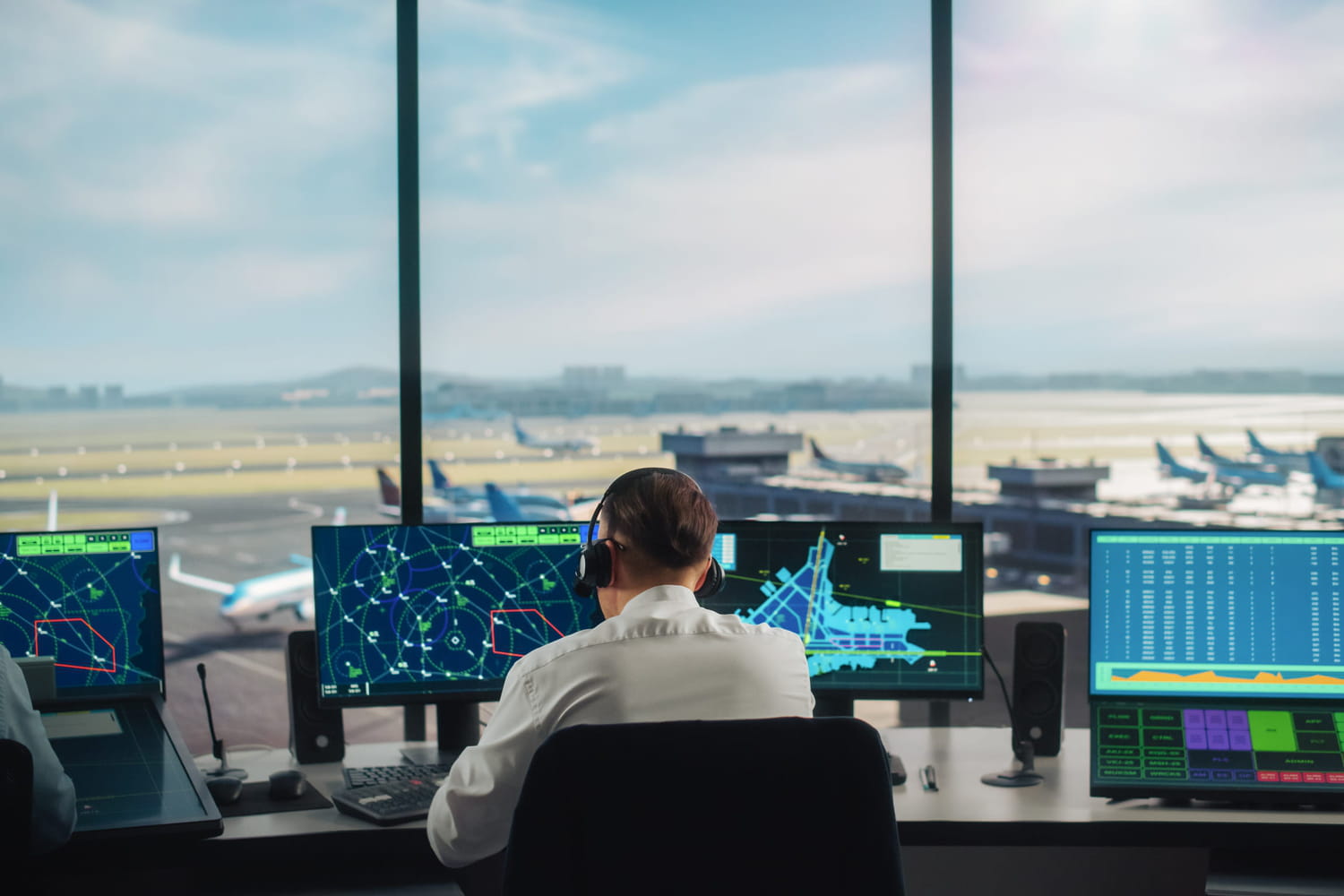
But of course, AI isn’t the only one to blame: parental education plays a vital role in developing resilience and independence in teens. Going against the grain of “helicopter” parenting, which consists of hovering around your child in an overprotective manner and flying to his or her aid as soon as a problem arises, the “air traffic controller” method takes the opposite bias. Don’t let the term “control” fool you: the goal is to advocate greater autonomy, especially during adolescence. Concretely, it involves behaving like an air traffic controller rather than an airline pilot.
This parenting approach was developed by public health educator Dorian Johnson: “You are present, attentive and protective when necessary, but you do not take the controls. Teenagers do not need you to fly the plane. They need you to be there when the situation changes, to help them rectify the situation.”he summarizes to the American magazine Parents. The key is therefore to give teenagers the freedom to make choices, and therefore mistakes, while remaining ready to intervene if necessary. This philosophy also aims to establish a better bond of trust with the child going through puberty, by reminding him that “even the most experienced pilots communicate with the control tower”and this, before the situation worsens.
The American educator summarizes his advice in the acronym TOWER, for “Trust, Observation, Warning signs, Emotional safety, Regulation”. It’s about trusting the teenager, and letting go as he demonstrates his ability to be autonomous, while still maintaining limits. Then the goal is to observe it, that is, to “remain attentive without being intrusive”and to know how to recognize the warning signs: “Any change in mood, sleep, behavior or routine should alert you and prompt you to contact the pilot.” These elements help create an environment in which the adolescent feels safe enough to tell the truth and seek help without fear of being judged or punished. Finally, regulation is the heart of the method: an air traffic controller is there to guide traffic when necessary, to ensure the safety of the planes. He gives flight instructions and clearances for takeoff or landing, without ever taking the controls in the cockpit.
As children grow up, they naturally crave space and freedom. This is the moment when they start to want to take flight, even if the parents do not always think they are ready. First loves, quarrels between friends, exam periods, professional internships… Many stressful upheavals occur during this delicate stage of life, and it is essential to learn to manage them yourself in order to then face the adult world independently and serenely.