





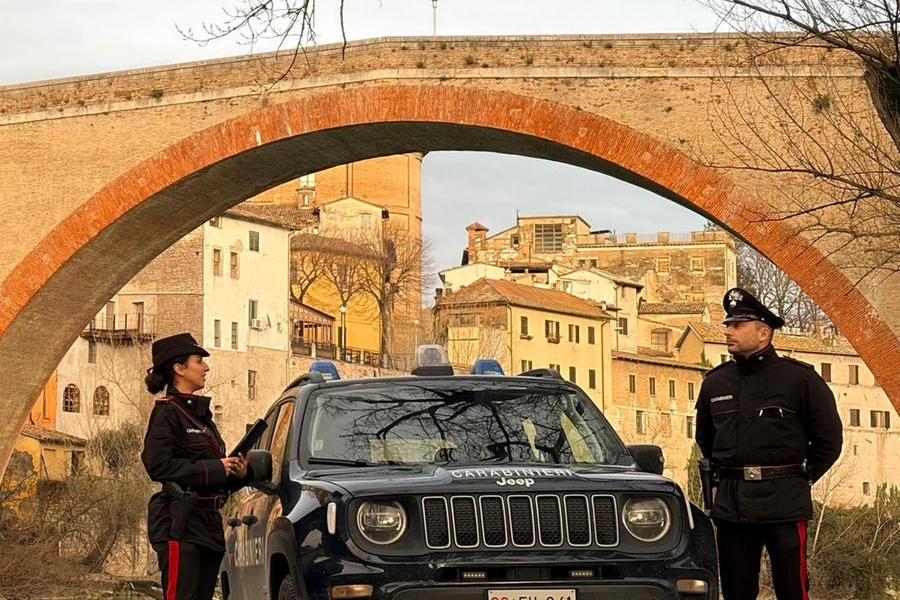
The moment an Italian citizen encounters a policeman he must be certain that he has encountered a man who has made his work a reason for living. Not only that, but they must have the same apprehension for every policeman that his family has for him. Our carabinieri are not supermen, they are people, with their ideals, their dreams, their qualities, their problems, and – why not? – their fragilities. Frailties that have led, not a few times, someone to make an extreme gesture. A very painful moment that cannot help but shake our souls to the core.
The Commander of the Army, General Salvatore Luongo, wrote a heartfelt letter to the more than one hundred thousand Italian Carabinieri in this regard.profound, from which all the esteem, affection and concern towards his men shines through. A true “pastoral letter”, like those that our bishops write to us priests to encourage us, recover us, show us the path to follow. After examining what is happening in Italy, the Commander, like a true shepherd of his own flock, stops to give some advice. At that moment the degrees step aside, leaving room for the sincere soul of the wearer. “Remember that asking for help is not a sign of weakness but of maturity and awareness of your role,” he writes. Real. If giving is divine, receiving is also divine. Asking for help in times of need is an act of humility and trust. I am weak, I rely on you, take care of me. “No institutional initiative can replace the human closeness that arises from friendship between colleagues and from the attention and sensitivity of commanders” continues the general. The fundamental support of specialists will come later. We must get there first at all costs.
And before the doctors, the drugs, the adequate measures, only the colleagues who share his anxieties, the desk, the office, the day can arrive.. They are the ones who notice mood swings, sudden silences, outbursts of anger and other small anomalies that risk going unnoticed by a cursory glance. Anyone going through a moment of discomfort, especially psychological, needs to find a shoulder on their path on which to rest that unbearable weight that risks crushing them.
He needs to know that his colleague cares about his health, his family, his life. Trust me, brother. Being more serene is possible. It is enough to transform the home, the barracks, the parish, the office, the factory, the editorial office, into a more fraternal and supportive place. Time, then, flies. The work, however demanding, becomes light. You learn to rejoice with those who rejoice, to suffer with those who suffer. Before laws, rules, duties, people come. Before ranks and roles, comes the man or woman who, like us, wears the uniform that makes us family. If men could transform envy, jealousy, resentment into solidarity, sharing, esteem, affection, we would have solved most of the problems that afflict the globe.
I was very struck by the letter that Salvatore Luongo wrote to the dear carabinieri. Before preparing to write, I wanted to meet some friends of our Company and ask them how it was received. They were, as expected, moved and refreshed. It’s nice to be able to count on the understanding of your colleagues and superiors. Without taking anything away from the severity of the discipline, of the skills; without falling into the negative concept of caste, we must strive to give an increasingly human face to our institutions. We want to say to Commander Luongo that not just once did we share joys and bitterness, disappointments and successes with his men. Thank you, general. I hope that his heartfelt appeal will be welcomed by many other personalities and institutions. Knowing how to listen to your friend, colleague or brother, especially when they are going through a moment of fragility, can really save their life.