






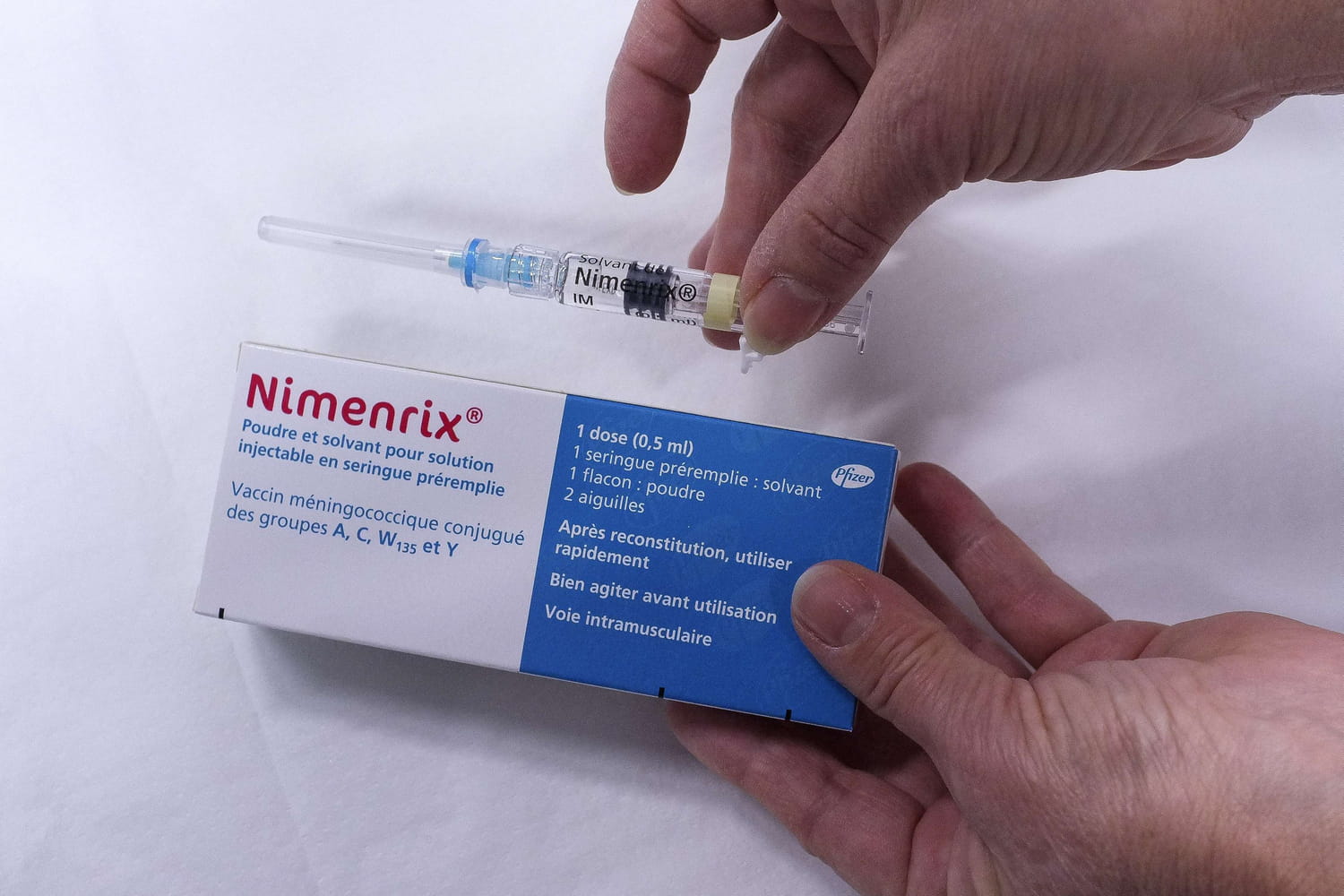
Vaccination against meningitis has been compulsory in France for babies since January 1, 2025.
Meningitis is an inflammation of the meninges, natural membranes that surround and protect the brain and spinal cord. This inflammation can be caused by a virus or, less frequently but with more serious consequences, by a bacteria (pneumococci such as Streptococcus pneumoniae, meningococci such as Neisseria meningitidis or even Haemophilus influenzae). In France, serious meningococcal infections affect around 500 people per year (13 deaths occurred in January 2025 alone) and they are increasing, hence the change in vaccination methods for babies.
What is the name of the meningitis vaccine?
In France, several types of meningococcal vaccines are available:
- Bexsero
- Nimenrix
- Menveo
- Menquadfi
- Trumenba
Is the meningitis vaccine compulsory?
Since January 1, 2025, vaccination of all infants against ACWY and B meningococci has been compulsory in France. This obligation concerns all infants up to the age of 2 years (24 months), including those who have already been vaccinated against meningococcus C. It is also recommended for people aged 15 to 24, as part of catch-up vaccinations. In adolescents aged 11 to 14, ACWY vaccination is recommended, regardless of their previous vaccination, but not obligatory. There is no vaccination planned for adults, apart from people traveling to a heavily affected area, in particular “the meningitis belt” in Africa (in the savannah zone and the Sahel, from Senegal in the west to Ethiopia in the east) or in any other area where an epidemic is occurring, in the event of residence or stay in close contact with the local population.
When should babies be vaccinated against meningitis?
Tetravalent ACWY vaccination has been compulsory for all infants since January 1, 2025 according to a two-dose vaccination schedule: one dose at the age of 6 months followed by a booster dose at the age of 12 months.
Should we get a booster shot as an adult?
No booster is necessary in adulthood for compulsory vaccines given during childhood (in infants). Generally speaking, if vaccination must take place in adults, it is most often done with a single dose of vaccine, except in certain special cases where a booster dose may be recommended (example: in the event of a continued risk of exposure to the germ, in the event of an increased risk of meningitis linked to a pathology or state of health, etc.).
How effective are vaccines against meningitis?
Meningitis vaccines are only effective against bacterial meningitis. The effectiveness of vaccines is very good, hence their major interest in the prevention of meningitis. That of the meningococcal vaccine is between 83% and 98%, that of the pneumococcal vaccine is above 95%, and that of the Hib vaccine is around 95%.
What are the possible side effects after vaccination?
Meningitis vaccines are generally well tolerated. Adverse effects are uncommon and most often not serious and transient: redness, pain and/or swelling at the injection site, fever, headache, muscle or joint pain. As with any medication, rare cases of allergic reactions may be observed: skin reactions (rashes, lesions, itching), swelling of the eyes or face, difficulty breathing or swallowing, discomfort or even a drop in blood pressure.
What is the price and reimbursement?
65% of meningitis vaccines are covered by health insurance and the rest is generally covered by complementary health insurance (mutual insurance).
- Bexsero: 84 euros
- Nimenrix: 42 euros
- Menveo: 40 euros
- Menquadfi: 42 euros
- Trumenba: 84 euros
Meningitis is a contagious disease that is easily transmitted. Compliance with vaccination is crucial to avoid deadly epidemics.