





Bab as-Salam, the ‘Gate of Peace’, is how the Strait of Hormuz has been defined in Arabic for centuriesin reality it is the subject of cross threats between Iran and the USA and often hostage of more or less large-scale wars with global implications, not only on the energy level.
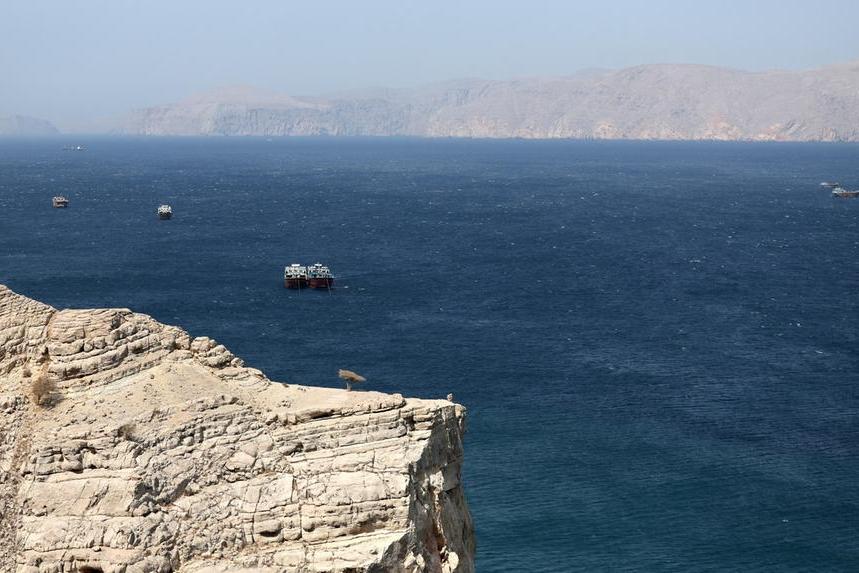
Located at the southern entrance to the Persian Gulf, the Strait of Hormuz is located on a peninsula in Omani territory overlooking the stretch of sea divided into Iranian and Omani territorial waters. A quarter of global oil traffic passes through this bottleneck and about a third of natural gas traffic passes through this bottleneck.
According to an estimate by Confartigianato, over a fifth of liquefied natural gas passes through the Strait of Hormuz. Around 15 million barrels a day pass through Hormuz, “a total blockade – experts had hypothesized in 2024 at a time of tension between Iran and Oman – would cause oil to skyrocket above 200 dollars”.
The passage routes are established jointly between Iran and Oman following agreements stipulated in 1975 and strictly regulated in order to avoid collisions, using a traffic separation scheme.
The Arab countries most interested are Saudi Arabia, the United Arab Emirates (which however have found partial alternatives to maritime trade via Hormuz) and Qatar, the main gas exporter which is still almost entirely dependent on the strait. Hormuz is also a fundamental step for Iran. So much so that several analysts have repeatedly defined the blockade of the strait by the Islamic Republic as a real suicide by Iran.
Since 1979, Iran has threatened to close the strait on more than 20 occasions, starting with the turbulent years during the bloody war against Iraq (1980-88).
Moments of tension – and the consequent threat of closure of Hormuz by Iran – have occurred more frequently since the onset of the global economic crisis in 2008, with a peak recorded between 2018 and 2022.
During that time, Iran did not hesitate to target, directly and through its allies in Iraq and Yemen, Western oil interests in the Emirates and off the coast of Abu Dhabi.
Precisely on the basis of these continuous threats, for years Riyadh and Abu Dhabi have partly diverted the traffic of crude oil via land: passing through the more expensive oil pipelines which, in the Saudi case, cut the kingdom from the Gulf in the east to the Red Sea in the west and, in the Emirates case, bypass Hormuz passing behind it before reaching the coast of the Indian Ocean.
Qatar has no alternative infrastructure but has been putting its ships on alert for days, asking them to reduce gas transit and loading times. In addition to the United States, the main target of Iranian retaliation, China would be damaged by the closure of the strait. Beijing is the primary beneficiary of energy exports from Hormuz, particularly Iranian ones.