
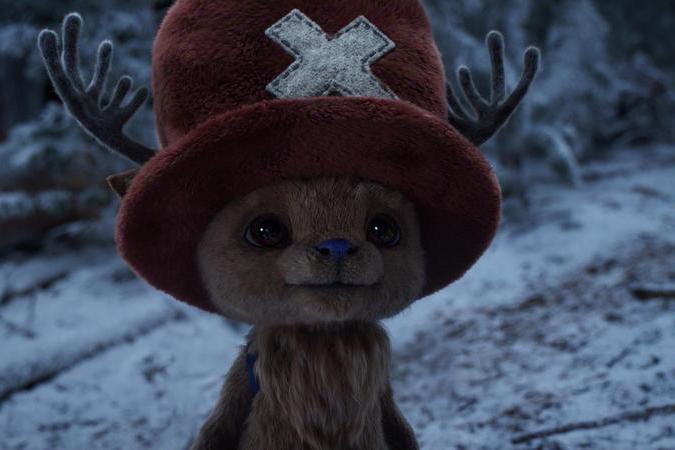



«Becoming a doctor capable of curing all the diseases in the world»this is the dream of Chopper, iconic character from One Piecemanga by Eiichiro Oda. The will of the little reindeer is clearly visible throughout the sagas of the opera: wherever there is a patient in need of a doctor, he arrives with his kit and tries to cure him. It doesn’t matter if the patient is a human, an animal or a monster and it doesn’t even matter what kind of disease he has, he will still try to cure him. And it is in this spirit that Doctors Without Borders faces his mission, day after day. It goes without saying that the combination between the two fits perfectly like Nutella on bread.
Chopper was chosen as the symbol of the new Doctors Without Borders campaign not only because it is an emblem of medical dedication, but also as a pop character capable of capturing attention, being one of the protagonists of the best-selling comic in history.
The One Piece backstory applies perfectly to that of Doctors Without Borders. The basic idea of the campaign is to translate the concept of Nakama (fellow adventurer with whom an indissoluble relationship has been established) applying it to the world of volunteering and human support.
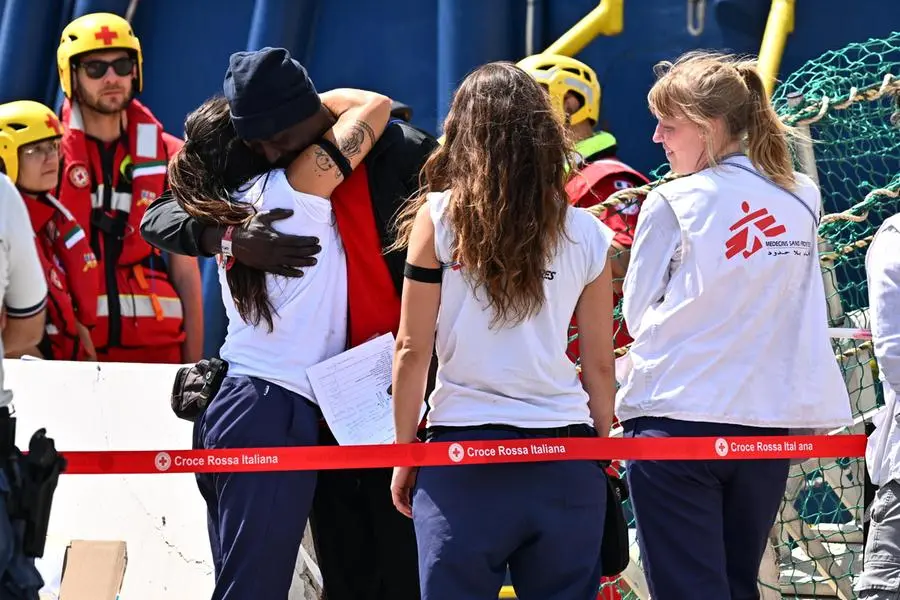
The initiative is mostly aimed at Gen ze Millennials, young people who might perceive NGOs as distant realities. Chopper invites them to sail aboard and become part of the “crew” of Doctors Without Borders. The fulcrum of the project lies precisely in Chopper’s virtual journey. The doctor leaves the world of One Piece to find himself catapulted into ours, specifically in areas where Doctors Without Borders is active and present in the area.
The journey passes through conflict zones, areas affected by epidemics and places where natural disasters have occurred: these are just some of the scenarios in which the humanitarian workers of Doctors Without Borders operate. Being now one of them Chopper will try to heal as many people as possible, just like when he was in Luffy’s crew.
The definitive entry of the reindeer into the “crew” of Doctors Without Borders is confirmed by the fact that his dream is no longer confined between the pages of a comic, but finds a concrete application in every hospital where the right to health is defended above every geographical or political border. This synergy transforms an ideal into a tangible action: treating anyone, anywhere and without distinction, just like a real member of the Straw Hat Crew would do.
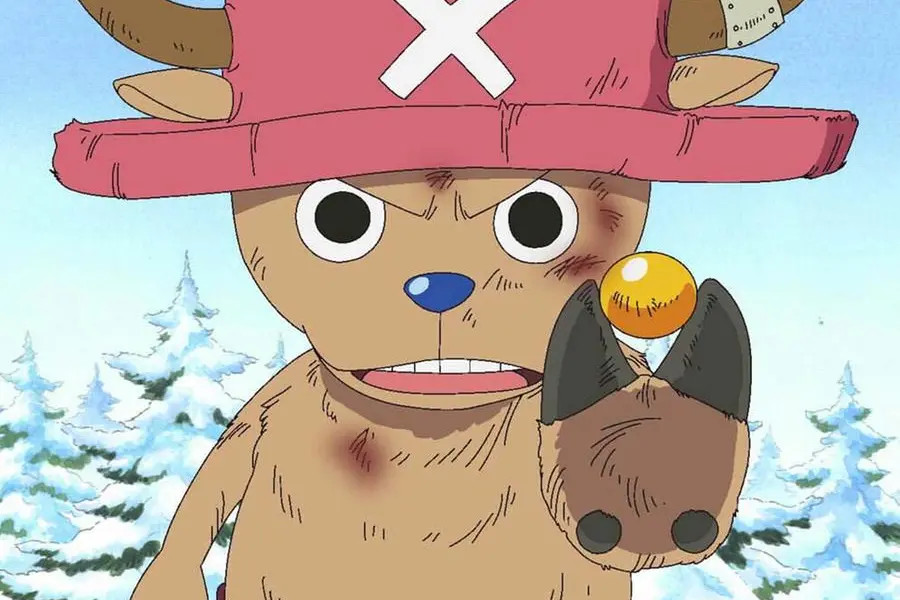
The union between Chopper and the NGO aims to shake the collective conscience through a universal and pop language. This is not just a communication strategy, but an invitation not to remain spectators in the face of humanitarian crises. If in Oda’s world diseases can be defeated by willpower and medicine, in our world Doctors Without Borders demonstrates daily that indifference is the biggest obstacle to overcomeand that the only way to do it is to stick together.
Ultimately, this collaboration reminds us that you don’t need to have the powers of a Devil Fruit to change things. Sometimes, you just need to have the courage to “get on board” and put your resources at the service of others. Because, as Chopper’s story teaches, no wound is truly incurable if you have a crew ready to support you.