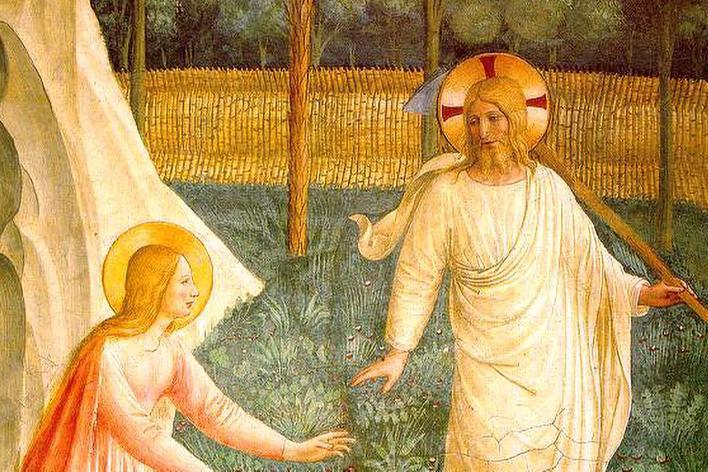




Dear reader friends, the Sunday after Easter has been Sunday since 2000 “of divine Mercy”by will of John Paul II who established it on the occasion of the canonization of Sister Faustina Kowalska. The Polish Pontiff wanted to put this theme at the center to offer a sign of hope to a world marked by the tragedies of twentieth-century totalitarianism. And the Gospel of this Second Sunday after Easter lends itself well to illustrating the divine condescension of Christ, who manifests it towards the request of Thomas, the “unbelieving” apostle (but who in reality makes the highest act of faith in the Gospels!).
But the memory also runs to 2016when Pope Francis wanted to proclaim a Extraordinary Jubilee dedicated precisely to mercy. Ten years have passed since that event and it is reasonable to ask whether it has left any trace in the life of the Church. The answer seems positive to me. At the time Pope Bergoglio put in place various initiatives to “illustrate” in a plastic way the sense of mercy he spoke about: come on “Friday of Mercy”in which he made surprise visits to the disabled, prisoners, degraded suburbs, etc., at the institution of the missionaries of mercy (still existing and active).
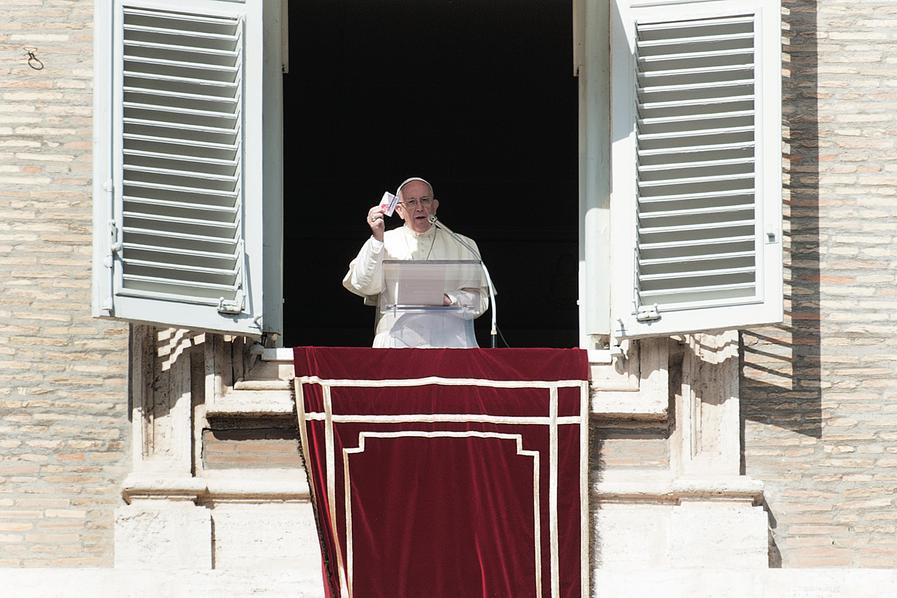
Perhaps some remember when the Argentine Pontiff took out a medicine box with the writing “Merciful”inviting you to take a dose as «spiritual medicine of the soul» and inviting people to pray (the Rosary and the chaplet of Divine Mercy).
Beyond the somewhat playful gesture, however, it seems to me that Pope Francis has not only reminded the Church of a vital theme for being close to people today, particularly those “wounds” for the most varied reasons, but who taught one different posture and lookless obsessed with legal norms and more in line with the Gospel.
In Lumen fideithe encyclical co-written with Benedict XIV and published shortly after the election of Francis (13 June 2013), we read an illuminating passage: «Faith not only looks at Jesus, but looks from Jesus’ point of view, with his eyes» (no. 18).
A look that is that of compassionfrom the tenderness who bends over human wounds and brings God’s mercy into the flesh of man.
Pope Francis, of whom the April 21st we will remember a year after his passing, he left a mastery of gestures that gave substance to this look, precisely of one Church without “customs”welcoming to everyone.
A teaching that has had an impact, I think I can say, also on “common mentality” of dioceses and parishes, despite some resistance. Many initiatives are contributing to building this renewed attitude of the Church in our time: less inclined to judge, more inclined to helpto closeness, to “sympathy” for everything that is human.
A journey not yet completed, of course, but whose seeds have been planted. And they are starting to sprout.
In collaboration with Credere
Credere, the magazine for living “the adventure of faith”
BELIEVE is the magazine that offers you stories, characters and columns every week to inspire faith in everyday life. Already chosen as the “Official Magazine of the Jubilee of Mercy”, it is a newspaper rich in content for the spirit, with many testimonies of famous people and ordinary people and the gestures and words of the Pope, closer than ever.
Discover the magazine and subscribe »