




Pain in the leg, swelling… Certain symptoms are characteristic and require rapid treatment. Here are the 7 typical signs to recognize phlebitis and react without delay.
Phlebitis, also called venous thrombosis, corresponds to the formation of a blood clot in a vein, most often in the legs or thigh, which blocks the circulation of blood. Without rapid treatment, it can develop into a pulmonary embolism, a serious complication that can be fatal. Here are the symptoms to recognize phlebitis with Laurence Allouche, angiologist and vascular doctor.
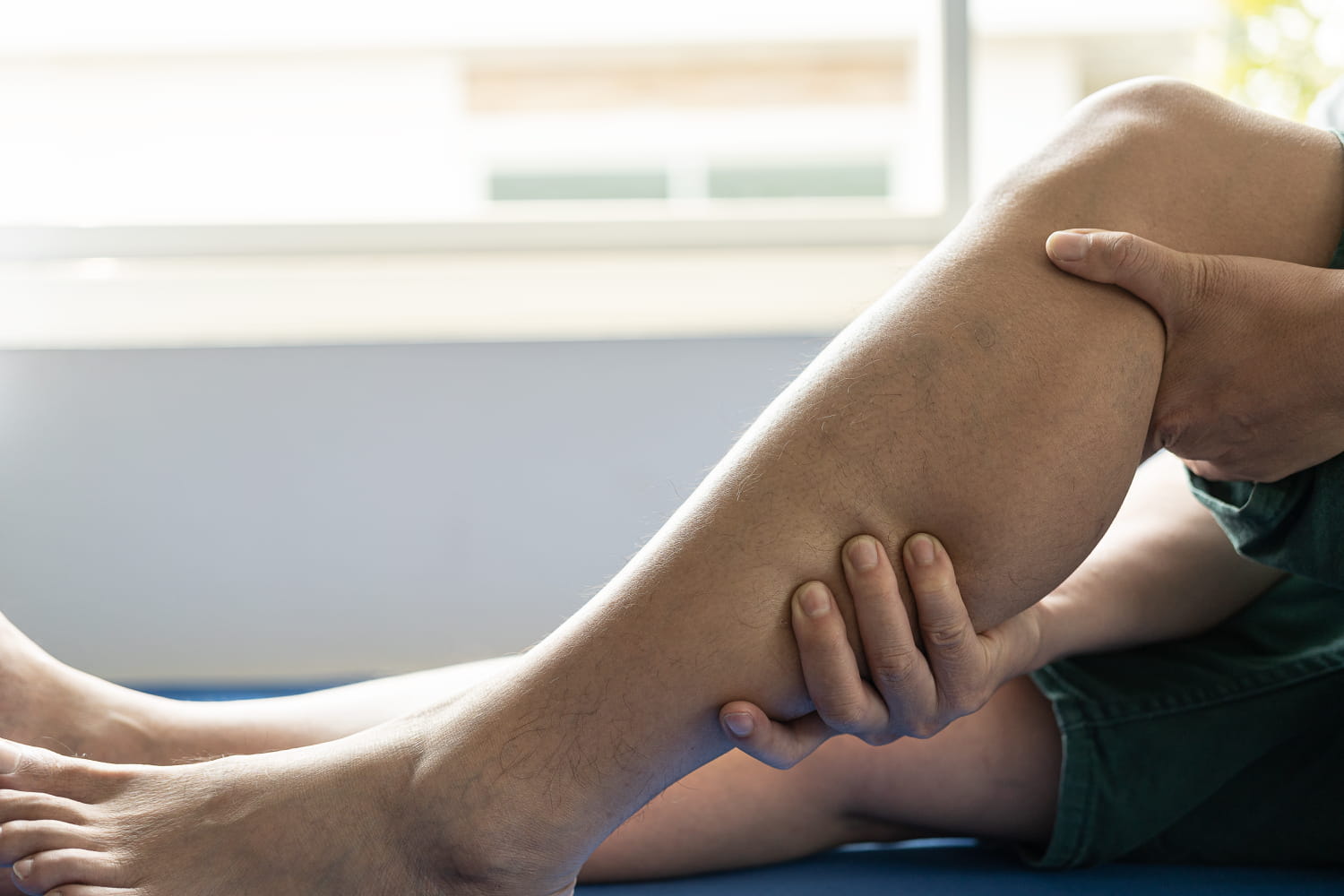
1. A painful and hard calf when palpated
If you experience pain, swelling or a feeling of heaviness in the calf, especially at the end of the day or after a prolonged period of immobilization, it is recommended to consult a doctor quickly. Calf pain is “one of the main warning signs of phlebitis” warns our interlocutor. More precisely “it is a painful calf, which increases in volume and which becomes hard upon palpation. This characteristic symptom is linked to obstruction of the vein by the clot, hindering venous return and leading to an increase in venous pressure.”
2. The skin on the leg feels warm to the touch
Do you feel the skin on your legs, calves or ankles feel hot when you touch it? “The inflammatory appearance with the appearance of heat generally occurs when the clot is located on a superficial vein, close to the skin.“, explains the expert. An increase in skin temperature and a feeling of numbness in the leg should not be taken lightly as they can indicate superficial venous thrombosis. Talk to your doctor.
3. The appearance of varicose veins
Do you notice the dilation of one or more fine veins (less than 3 mm in diameter), or even bluish, tortuous cords on your thighs or calves? These are varicose veins whichusually develop on the lower extremities following increased blood pressure“, explains Dr Allouche. Varicose veins are a sign of venous insufficiency (poor functioning of the valves inside the veins which prevent blood from flowing backward and back to the heart) and can lead, if they are not taken care of, to phlebitis. In case of varicose veins, avoid exposing yourself to the sun and heat (sauna, hammam, etc.) and practice regular physical activity.
4. Heavy legs even when resting
“A feeling of heaviness, even at rest, can be suggestive of venous insufficiency, a circulation disorder in the veins of the legs which can develop into phlebitis“, says our expert. What to do? Wear compression stockings. Wearing them allows you to exert sufficient pressure to facilitate venous return. In addition, you can turn to herbal medicine by taking herbal teas or plant capsules which tone the veins and reduce the feeling of heaviness in the legs (ginkgo biloba, red vine, witch hazel, horse chestnut). Also consider lymphatic drainage at a physiotherapist.
5. “Pole” legs
Have your ankles swollen and you can no longer wear closed or strappy shoes? An ankle that appears swollen – a sign of edema – accompanied by redness may be linked to venous insufficiency, which itself can lead to phlebitis if not treated. Likewise, “pole” legs – when the top of the calf is almost as wide as the ankle – which are larger at the end of the day or when it is hot should be a warning. You can easily recognize edema if, applying light pressure with your finger, the area remains marked for a few seconds.
6. A sudden fever
“Pain and swelling in the legs accompanied by a moderate fever around 38°C can be a warning sign of phlebitis.underlines Dr Allouche. But unfortunately, the typical signs of phlebitis are not always present, some venous thromboses give very few alarm signs.“If a fever occurs suddenly and for no particular reason, seek medical advice. If in doubt, the doctor will have a venous Doppler ultrasound carried out by a vascular doctor.
7. A bluish, red or purple discoloration on the leg
A red, purplish, or even slightly bluish thigh, calf or ankle can reveal venous problems. “This coloring comes from the fact that the clot is located on a superficial vein, very close to the skinexplains the vascular doctor. This is a common symptom in cases of superficial venous thrombosis.“If this redness is accompanied by pain and edema in the area concerned, you should consult!
When to worry?
“What should alert, among the symptoms, is their unusual nature, recent and occurring on only one sideexplains the angiologist. Especially if the signs occur in favorable circumstances or in a subject at risk.” In this case, “iYou must consult a doctor who, if he suspects phlebitis, will order a Doppler ultrasound. This examination is painless and allows you to visualize the venous network and possible clots, using ultrasound.“, she explains.
- Anticoagulants “can be administered by injection but also orally, either as a relay to injections, or directly upon diagnosis, allowing treatment with simplified monitoring. The aim is to prevent the clot from spreading or even to obtain resorption of the clot”indicates the specialist.
- Medical compression using socks, stockings or tights is intended to limit the risk of complications of phlebitis, by promoting venous return.
- Other treatments consist of unclogging the vein using a catheter, but are reserved for very specific cases.