





No need to eat without pleasure to protect your brain. A large study followed for 12 years has just identified the most effective diet and cheese is one of the protective foods.
It’s called “MIND”, a hybrid diet between the Mediterranean diet and a balanced diet designed to lower blood pressure. According to the study published in the Journal of Neurology, Neurosurgery & Psychiatry and carried out on 1,647 adults followed for an average of 12 years, those who comply the most have a brain that ages 2.5 years slower than the others. This diet could reduce the incidence of neurodegenerative diseases, such as Alzheimer’s disease and Parkinson’s disease.
What the brain scans revealed was striking: the participants who were most faithful to this eating pattern lost less gray matter – this area of the brain essential for memory and learning – and showed fewer signs of atrophy. The effects were even more pronounced in people over 60 years old. But what do we eat on this diet?
The MIND diet emphasizes leafy green vegetables, berries, nuts, legumes, fish, poultry and olive oil. So far, nothing very surprising. But the study revealed an unexpected result: cheese is among the most brain-protective foods. Its regular consumption was associated with a slowdown in gray matter loss and better preservation of the hippocampus, the area of the brain linked to memory. This result is surprising, because the theoretical protocol of the MIND diet (designed in the United States) usually classifies cheese among the foods rich in saturated fats to limit. How to explain it?
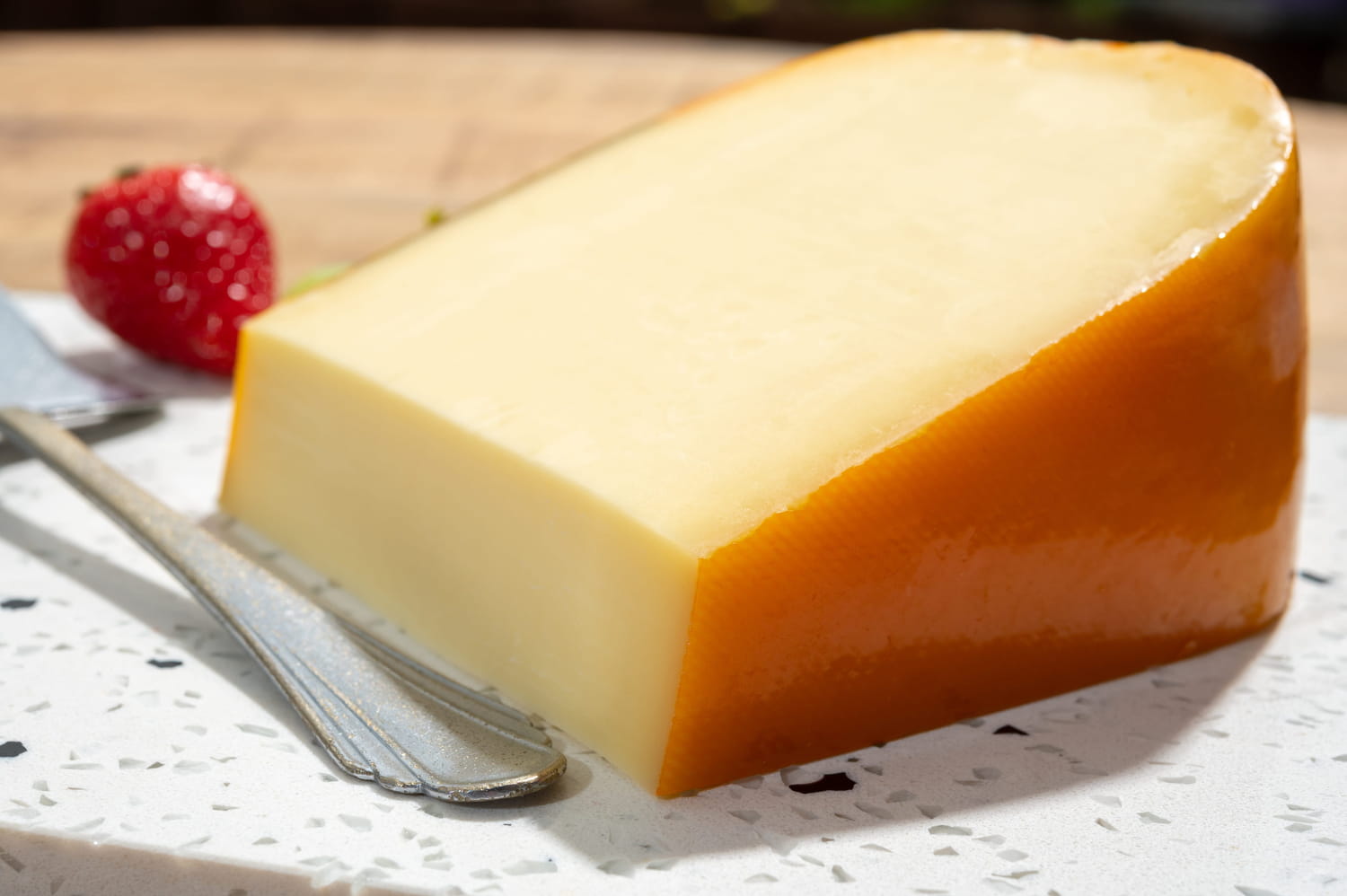
Experts emphasize that the quality of the product makes all the difference. To best follow the basic principles of the diet, you should favor very lean cheeses such as ricotta, cottage cheese or feta (ideally rinsed to remove excess salt). But for the brain, traditional and mature cheeses like Gouda are better. You can also alternate with Comté or raw milk cheeses such as goat and sheep.
The latter are real mines of vitamin K2 (menaquinone) and bioactive peptides, essential nutrients to protect blood vessels and the hippocampus. They are the ones that provide the maximum protective effect revealed by brain scans, while, as a bonus, making bones stronger. A piece of around 30 grams per day of such characterful cheese is enough to nourish our gray matter. On the other hand, we will avoid industrial and ultra-processed versions.
The researchers specify that this is an observational study: it is impossible to say with certainty that it is diet alone that protects the brain. Other factors, such as physical activity and maintaining a healthy weight, amplify the effects. But the consistency of the results over 12 years is, according to them, a strong signal. Eating Mediterranean, with a little cheese, lots of greens, berries and fish is perhaps one of the best investments you can make for your brain. And pleasure at the table is no obstacle.