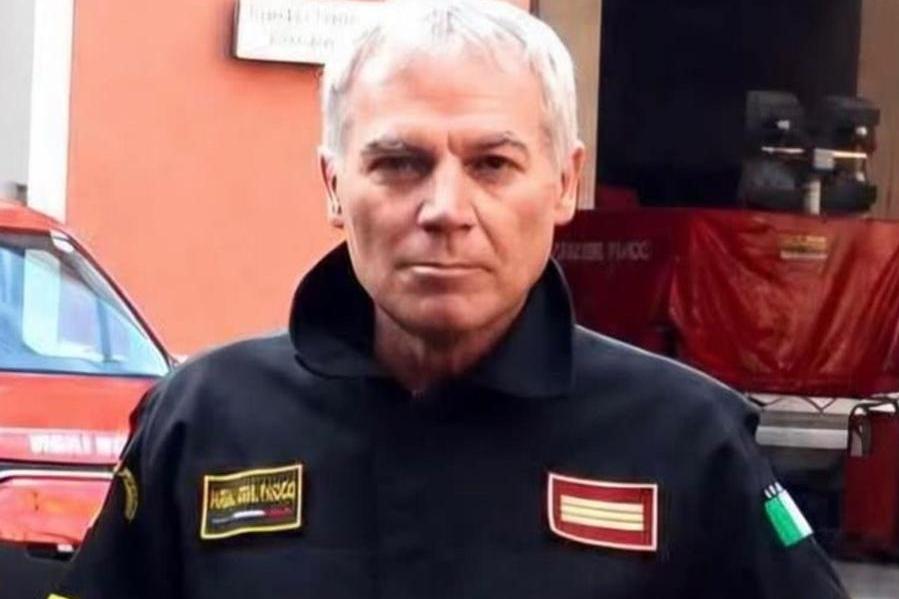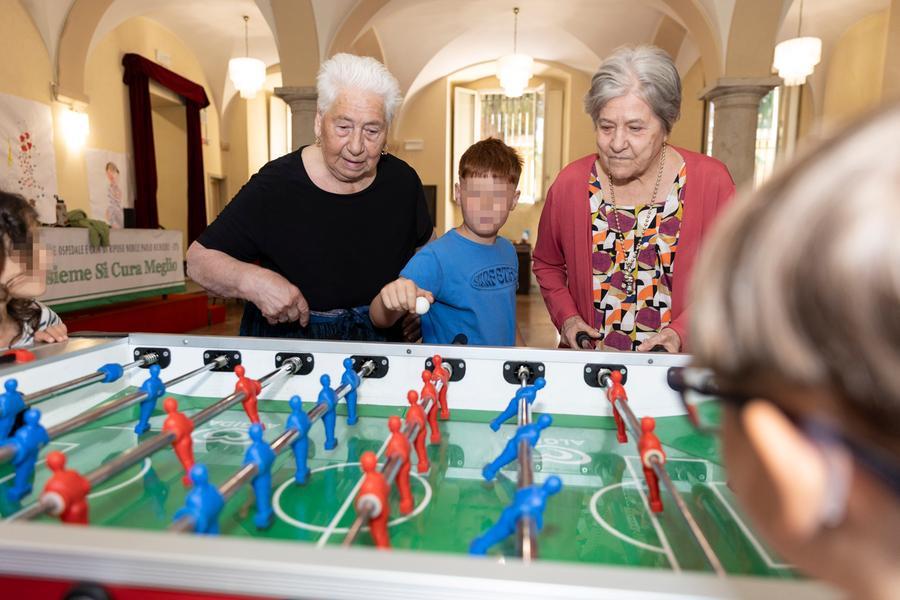







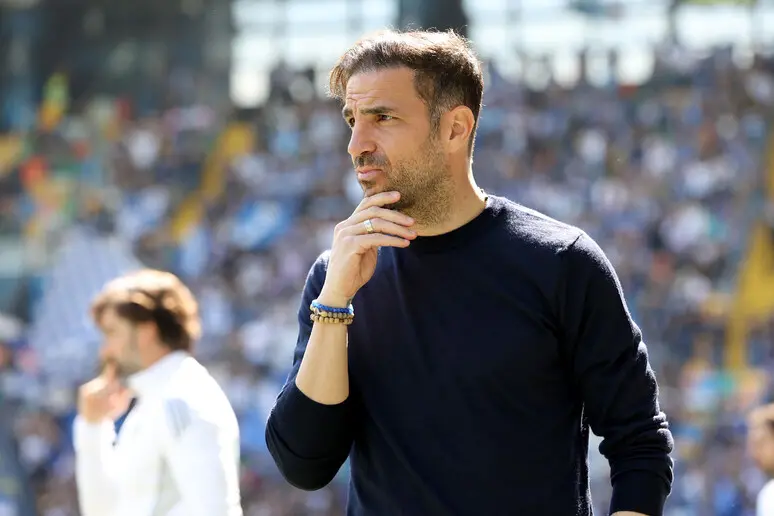
Two images, apparently very distant, tell of the same anxiety of our time. On the one hand, Pope Leo XIV surprises the kids of Madrid by miming the “six seven”, the nonsense gesture that has become viral among the youngest. On the other hand, Cesc Fabregas, one of the brightest emerging coaches in European football, reveals that he does not want to give his thirteen-year-old daughter a smartphone. These are not contradictory messages. On the contrary, they indicate two complementary ways to face the digital revolution without demonizing it and without suffering from it.
The Pontiff chooses the meeting. He does not look askance at the language of Generation Alpha, but enters their world with empathy and curiosity, speaking to young people in the language they understand. The same perspective as his encyclical Magnifica Humanitas: progress is not an enemy, but needs to be accompanied by that humanity capable of counteracting loneliness, violence and confusion.
Fabregas, for his part, recalls the value of what we risk losing. His educational choice does not arise from a rejection of the present, but from the belief that there is a time to grow away from the constant pressure of screens. His is the memory of football lived in courtyards and gardens, when the only thing to chase was the ball. Today, too often, kids are asked to chase visibility, followers and approval.
Two testimonies, from two different observers, which intertwine and question us adults above all. Because the real question is not whether or not to give a smartphone, nor whether or not to learn the language of Generation Alpha. The question is: are we present in the lives of our kids? The Pope who enters the world of children and the coach who protects a slower tempo for his daughter are more than just news, but rather an example, a clear direction that we can all follow. They say the same thing with opposite gestures: the young generations need adults next to them, capable of being in relationships and not just staying connected. Technology, in fact, cannot represent a problem in itself. The groove with our children arises when the adult withdraws, when he delegates to the screen the listening, the boredom, the questions that the challenge of growth entails.
A bit like the good shepherd or the coach of a team, that of families, teachers, educators is a responsibility that does not ignore coherence. We cannot ask younger people to look up from their phones if we are the first ones to always keep it in our hands, at the table, in the park, while they play. Kids don’t learn from what we say, but from what they see done. Educating digitally means first of all offering a credible example of present humanity, of donated time, of attention that is not distracted. It is a slow work, which aims to mend an educational alliance and translate it on a daily level, precisely in the delicate transition of global society, from digital to artificial. For the person to always remain at the center, we need to build new banks of humanity, through those bonds that we choose to inhabit every day.
*Ivano Zoppi, General Secretary of the Carolina Ets Foundation