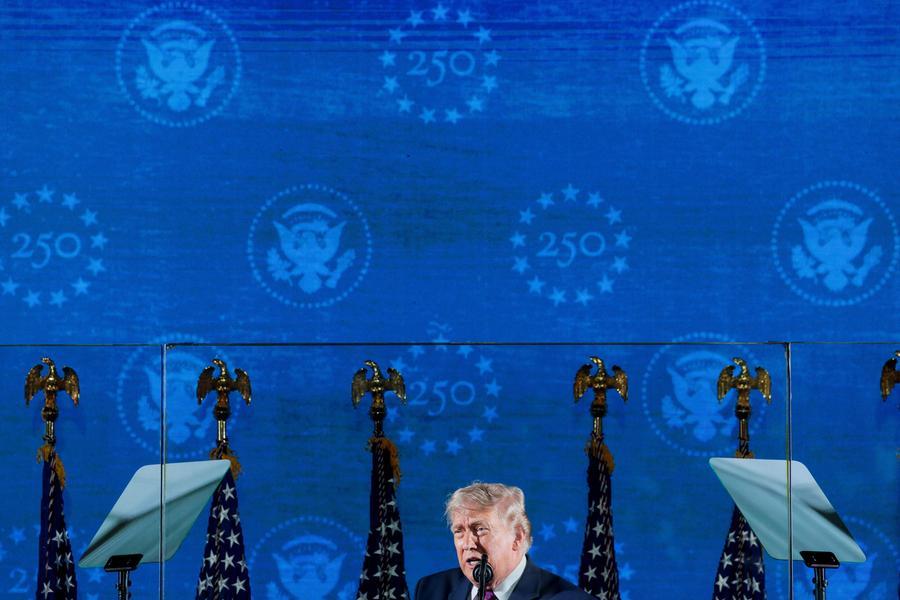
The July 4th it is the most important day in the civil calendar of the United States of America. Known as Independence Daycelebrates the birth of the nation and commemorates the adoption of Declaration of Independence in 1776, the document that established the separation of the thirteen American colonies from Great Britain. An anniversary that unites millions of citizens every year through official ceremonies, parades, concerts, barbecues and spectacular fireworks.
The birth of the United States
The 4 July 1776 the Continental Congress approved the definitive text of the Declaration of Independence, written mainly by Thomas Jefferson with the contribution of John Adams, Benjamin Franklin, Roger Sherman and Robert Livingston. The document represented a turning point in modern history: for the first time it was stated that all men are created equal and possess inalienable rights, including life, liberty and the pursuit of happiness.
Signing the Declaration did not immediately end the conflict.
The Revolutionary War continued until 1783, when the United Kingdom officially recognized the independence of the United States with the Treaty of Paris. However, July 4th remained the symbolic date of the birth of the country.
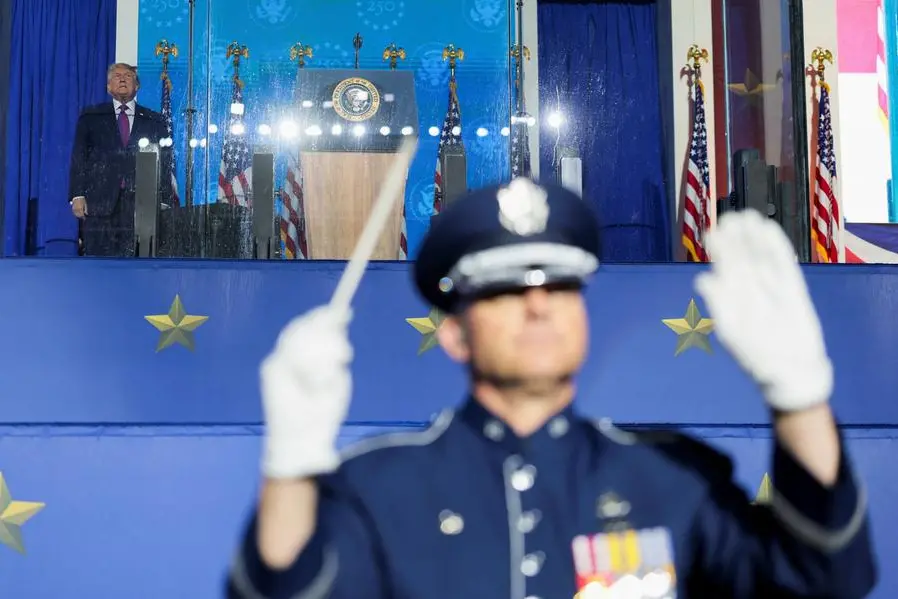
A celebration that combines history and national identity
For Americans, the 4th of July represents much more than just a holiday. It is a moment in which the founding values of the Republic are celebrated: freedom, self-determination, democracy and civic participation. Cities and small towns organize parades with musical bands, veterans, associations and historic vehicles, while public buildings and homes are decorated with the Stars and Stripes flag. The anniversary also takes on a strong patriotic value. In many places, passages from the Declaration of Independence are read and ceremonies dedicated to the military and those who have served the country are held.
Fireworks and barbecues: the traditions of the 4th of July
Modern celebrations are characterized above all by outdoor events. Barbecue is the protagonist of family gatherings, accompanied by hamburgers, hot dogs, corn on the cob, grilled ribs and desserts decorated with the colors of the American flag.
When evening falls, thousands of fireworks lights up the sky. Fireworks are an ancient tradition: already in 1777, just a year after the Declaration of Independence, some cities celebrated the anniversary with cannon volleys and displays of light, a custom that has continued to this day.
The most famous celebrations
Among the most anticipated events is the New York fireworks display, organized every year on the Hudson River or the East River, followed by millions of people on television and live. Washington also celebrates the anniversary with the great “A Capitol Fourth” concert, which precedes the fireworks in front of the National Mall and the Capitol.
From Boston to Philadelphia, the symbolic city of the American Revolution, to Los Angeles, Chicago and San Francisco, every major center organizes events that attract hundreds of thousands of visitors.
A celebration with political significance too
Throughout history, July 4th has often been an occasion for reflection on the meaning of freedom and civil rights. Political leaders, presidents and social movements have used this anniversary to reiterate the principles contained in the Declaration of Independence and question their full realization in American society. In this sense, Independence Day not only celebrates the past but also represents a moment of discussion on national identity and the challenges that the United States faces in the present.
The meaning of July 4th today
After two and a half centuries since the birth of the United States, July 4th continues to be the most heartfelt civil holiday in the country. It is a day in which history, memory and popular traditions intertwine, transforming every American city into a place of collective celebration. Between flags, music, picnics and fireworks, Americans remember the act that in 1776 gave rise to one of the most influential democracies in the world and reaffirm, year after year, the value of freedom as a founding element of their national identity.